
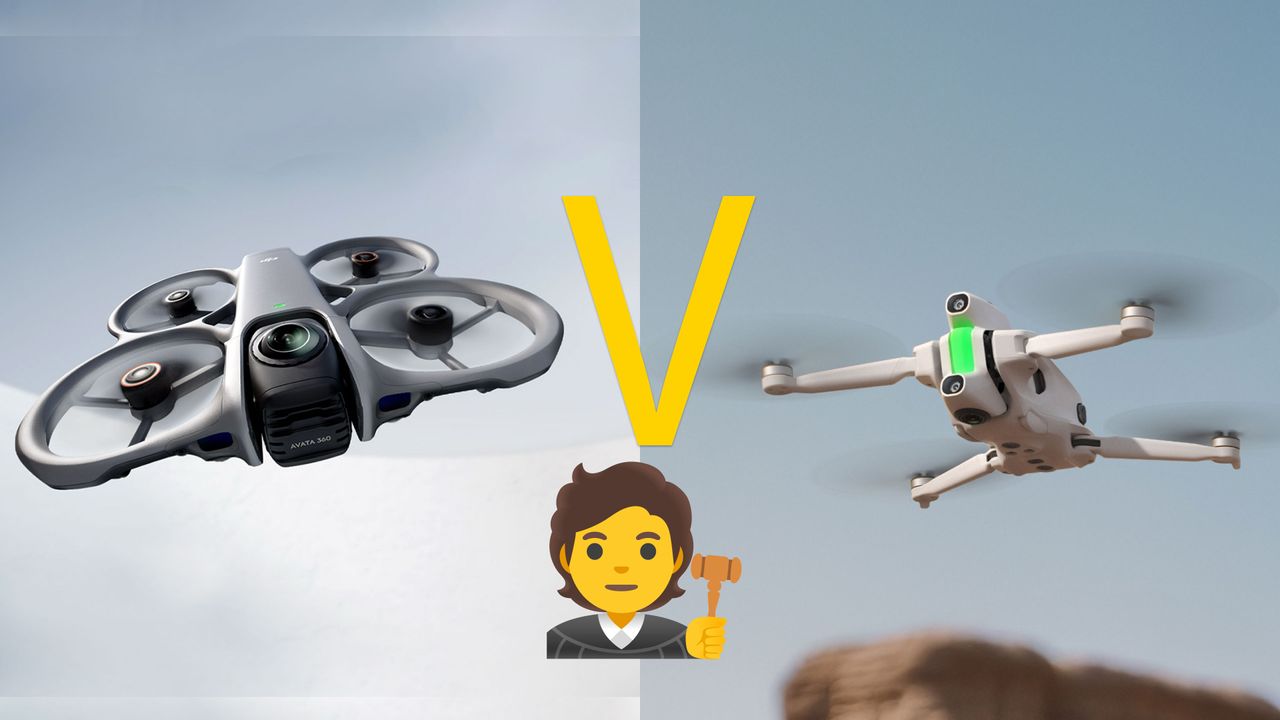
DJI, the market leader in the consumer drone world, has filed six new patent cases against Insta360 Intermediate People's Court, according to posts on social media, the first time DJI has done anything like this in its home market of China.
DJI has been facing growing competition from Insta360, which has created action cameras and recently, its own drone brand Antigravity.
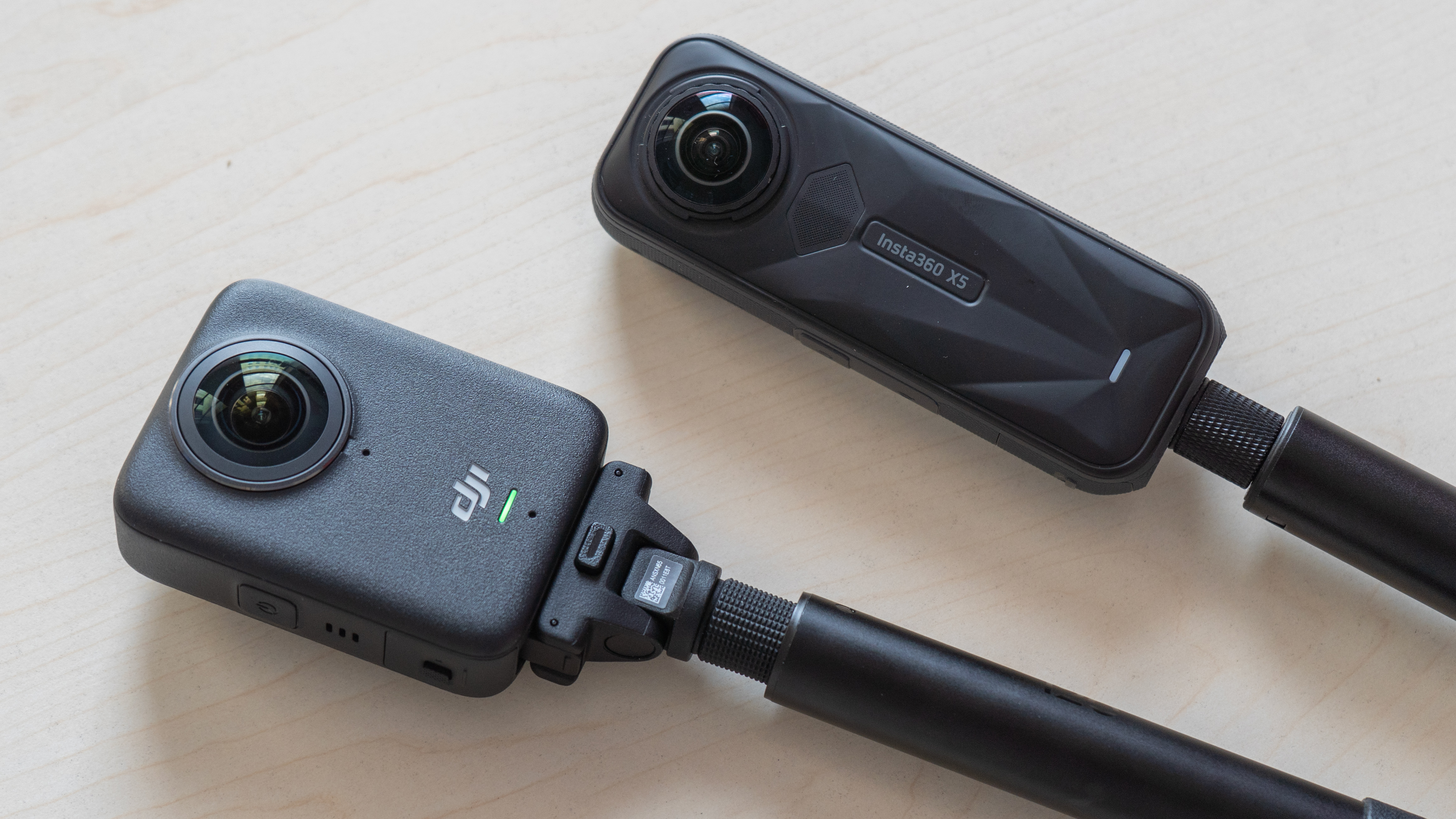
At the same time, DJI has been creating products in areas that were first occupied by Insta360 – not least the Osmo 360 camera, both of which are competing to be the best action camera was well as the best 360 camera.
Until now, though, DJI has kept the competition in the retail sphere, not the courtroom, unlike, for example, the environment in the US, where GoPro has already sought, unsuccessfully, to make patent claims against Insta360.
Now, though, with the release of the Avata 360 – DJI's long-awaited answer to the Antigravity A1 360-degree drone – expected just days away (March 26), it seems that the battle will be fought in the courtrooms as well as the skies.
In a Weibo post – the Chinese short messaging platform – the Independent Photographers Association suggests that core areas will be involved, including patents on flight control, structural design, and image processing.
Perhaps more interestingly for those who enjoy a personal side, they are suggesting that some of this information travelled with an employee who left DJI and moved to Insta360.
Insta360 CEO Liu Jingkang – often known as "JK Liu" – said in his own Weibo account, he suggested that, in the case of DJI suing Insta360, everyone can simply wait for the court’s normal evidence collection and investigation procedures. Such disputes are common in the competition between technology companies, but took the opportunity to point out:
"GoPro and DJI suing us is entirely understandable given the mentality of giants facing market share losses. Conversely, many functions and accessories of DJI's panoramic camera and thumb camera have been reported by the media as "copying" or "strikingly similar"
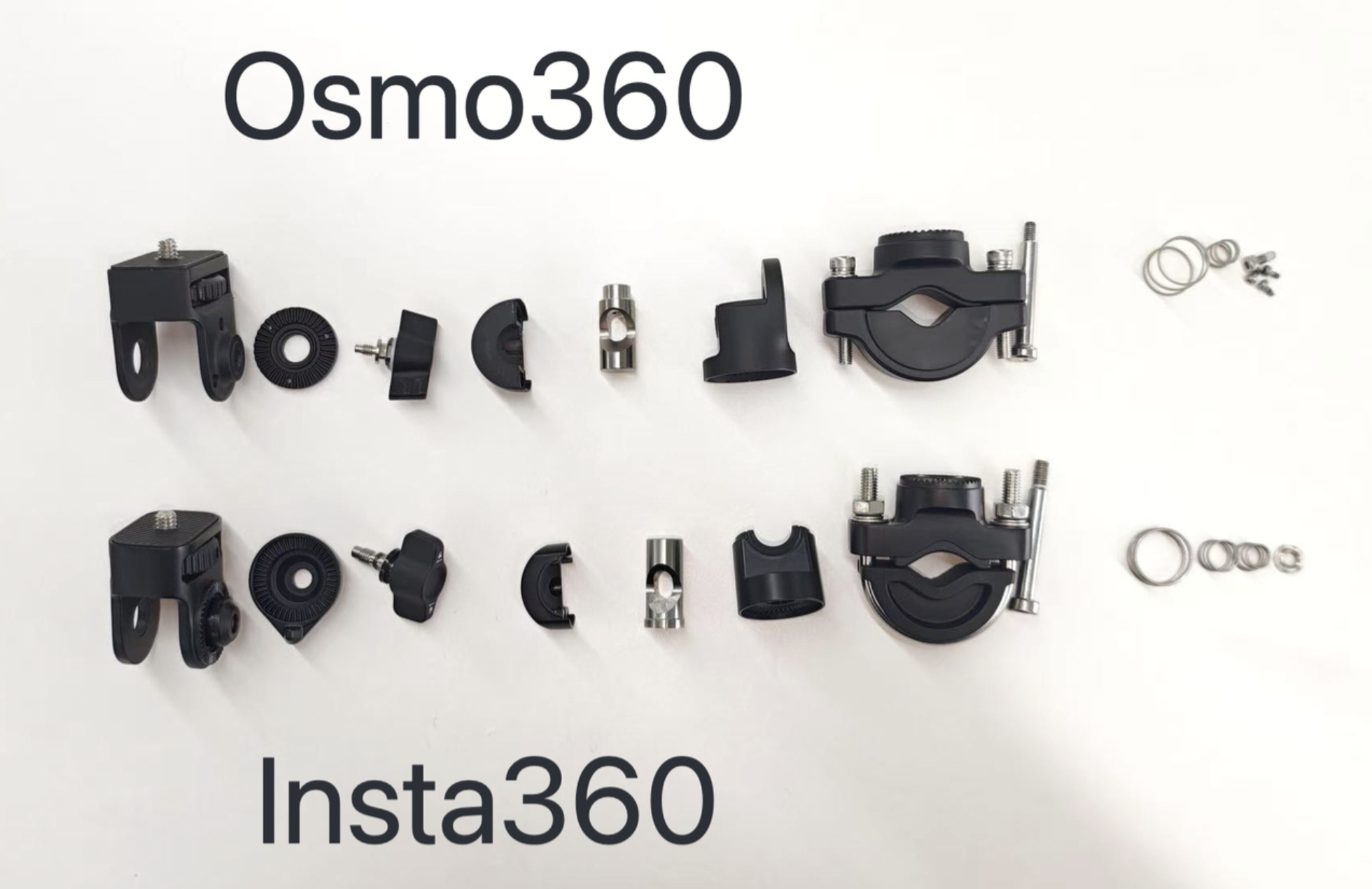
JK Liu sums up his long response: "We respect intellectual property rights, but at the same time, we respect facts, legal procedures, and rulings. We are not afraid of any patent litigation, we do not engage in existing market competition, and we will only use continuous innovation to expand the market and win a place. We will not use weapons unless absolutely necessary."
A message that seems to have earned him a lot of positive responses in the Chinese social platform's chat. It'll be interesting to see if the courts take it the same way.