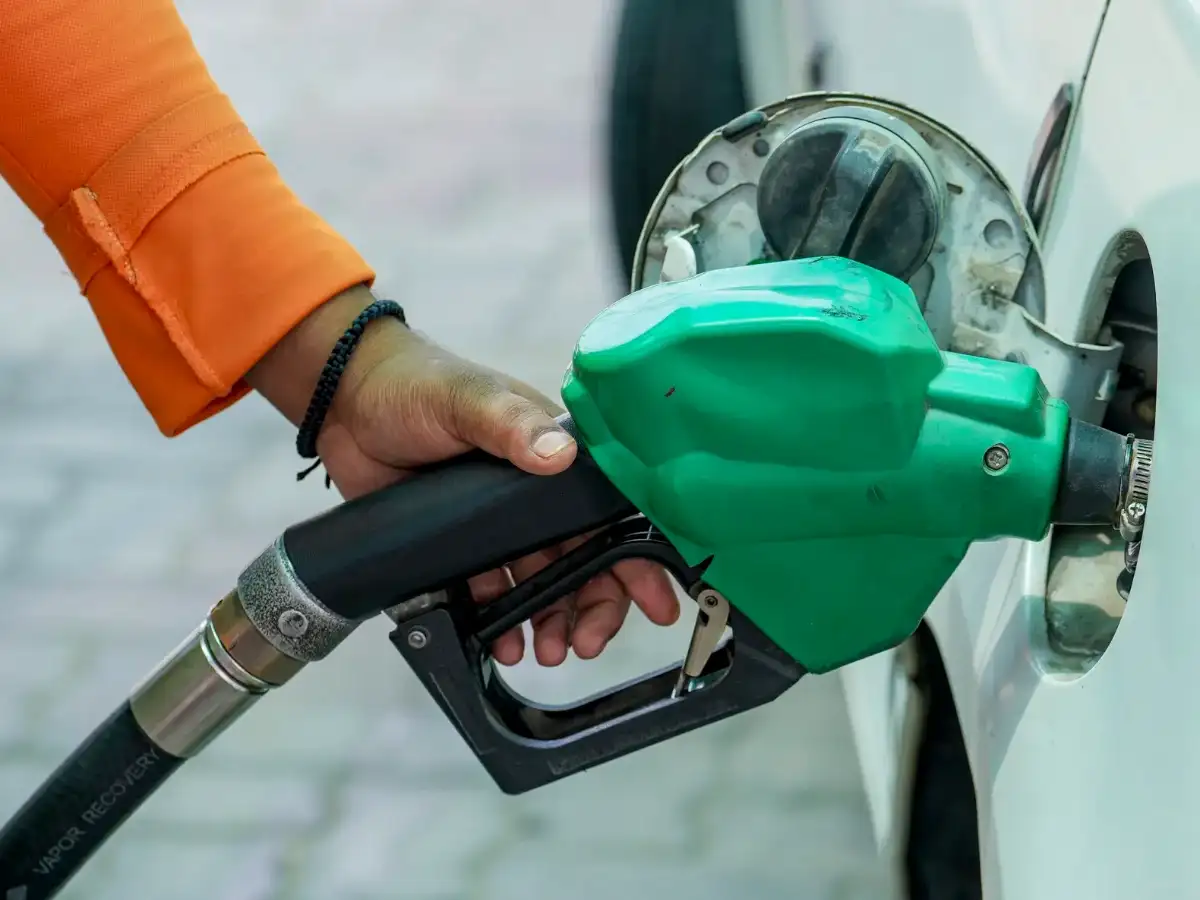
The Oil Marketing Companies (OMCs) increased the petrol prices by Rs 2.61 per litre and diesel prices by Rs. 2.71 per litre on Monday, marking the fourth hike in less than two weeks.
With the latest revision, cumulative increases in petrol and diesel prices are almost Rs 7.5 per litre since fuel rate revision resumed on May 15 after a prolonged freeze.
Petrol price was increased by Rs 2.61 a litre to Rs 102.12 per litre in Delhi from Rs 99.51, while diesel rates have been increased by Rs 2.71 to Rs 95.20 per litre from Rs 92.49.
Also read: Why India can't escape a global oil shock
The hikes come amid elevated global crude oil prices and a weakening rupee, which have increased pressure on oil marketing companies' import costs.
Earlier on Sunday, senior executives from state-run oil companies ONGC and Bharat Petroleum Corporation Ltd said that the recent increase in petrol and diesel prices reflect the impact of prolonged geopolitical tensions in West Asia, rising global crude oil prices and mounting pressure on oil marketing companies due to under-recoveries.
Months of blockade and disruptions in the Strait of Hormuz have caused high stress in energy shipments across the world, causing rippling effects on economies which are dependant on the Middle East for their oil and gas supplies.
Speaking about the impact of the West Asia conflict, ONGC Director (Exploration) Sushma Rawat noted that the crude oil prices have remained highly volatile amid uncertainty over the conflict.
"Whenever there is a declaration that there is a peace accord, the crude prices start to dip. And when you realise that there is no solution, the prices go up again," Rawat told ANI.
She added that India had so far shielded consumers from the full impact of the surge in global energy prices.
"The government has given relief to the people for 76 days, during which the price has not increased. The price has increased, because the OMCs were taking a hit of almost Rs 1,000 crore a day. How long do you sustain that?" she asked.
Meanwhile, former Marketing Director, BPCL, Sukhmal Kumar Jain also said public sector oil companies had been under severe financial pressure due to rising crude prices and a weakening rupee.
"The public sector oil companies are still in heavy under-recoveries," Jain told ANI, adding that crude prices had risen from around USD 65-70 per barrel to USD 110-115 per barrel during the conflict period. He further noted that India's dependence on imported crude oil had amplified the impact on the economy.
Jain also highlighted the India is dependent on imports to meet about 85 per cent of its crude requirements. He said depreciation of the rupee against the US dollar has further increased the burden on oil companies.
"The situation for the oil companies is that the cost is more and the recovery is less," he added.
The recent hike in fuel prices
Petrol and diesel prices were hiked recently on May 23, with OMCs increasing the rates petrol by Rs 0.87 per litre, while diesel prices were raised by Rs 0.91 per litre.
Prior to the revisions in fuel rates, state-run OMCs had claimed they were bearing losses of nearly Rs 1,000 crore per month.
In the global market, oil prices plunged over five percent on hopes of a peace deal to end to the war between the United States and Iran, despite US President Donald Trump downplaying its imminence.
As of around 2300 GMT Sunday, the price of North Sea Brent crude slipped 5.1 percent to $98.22 per barrel, while West Texas Intermediate fell 5.2 percent to $91.57 a barrel before recovering slightly, according to AFP.
Trump has tempered expectations of a ceasefure agreement to end the war, saying in Truth Social post that he had "informed my representatives not to rush into a deal in that time is on our side".
Washington and Tehran have observed a ceasefire since April 8 while mediators push for a negotiated settlement, although Iran has imposed controls on Gulf shipping and US has blockaded Iran's ports.