On Thursday, 9 July, prosecutors played a recorded statement from the alleged killer's former roommate and romantic partner, Lance Twiggs, in which he said the suspect admitted he 'wished he hadn't done it.'
During the testimony presented at a Utah court hearing, the suspect, Tyler Robinson, was described as visibly distressed, pacing around their shared apartment before allegedly expressing regret over pulling the trigger.
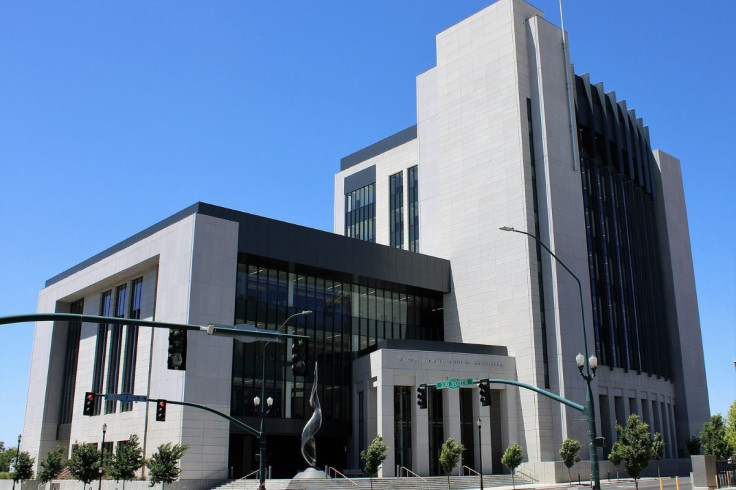
The interview was played during Robinson's preliminary hearing, where prosecutors are seeking to establish sufficient evidence for the case to proceed to trial.
Robinson is charged with aggravated murder, felony discharge of a firearm, two counts each of obstruction of justice and witness tampering, and committing a violent offence in the presence of a child. He has not entered a plea.
Twiggs Describes Robinson's State in the Aftermath
Twiggs, who also goes by the name 'Luna', was granted immunity in exchange for his co-operation with authorities during the investigation. Although he did not appear in person, his recorded interview described Robinson's behaviour following the shooting.
During the interview, Twiggs said Robinson admitted to shooting Kirk on the night of the incident. According to Twiggs, Robinson also said the following morning that he wanted to speak to his parents and surrender to authorities, while appearing visibly distressed.
Twiggs also described Robinson walking around the apartment, saying he was 'doing stuff, I think just to keep himself busy or distracted or something.'
Twiggs said he later asked Robinson whether what he had said the previous night was true, and Robinson allegedly confirmed that it was. During the same conversation, Robinson reportedly began crying and said he 'wished he hadn't done it.'
Twiggs then left the apartment after Robinson allegedly said he did not want him there when he turned himself in.
Judge Tony Graf overruled the defence's objection to publicly playing the recorded interview, ruling that edited portions could be presented during the preliminary hearing while excluding material deemed unfairly prejudicial.
Transparency Over Conspiracy Theories
The decision to play Twiggs' recorded interview became a key point of contention during the preliminary hearing.
Charlie's widow, Erika Kirk, argued for transparency, urging the court to make key evidence publicly available to counter conspiracy theories that emerged after her husband's shooting.
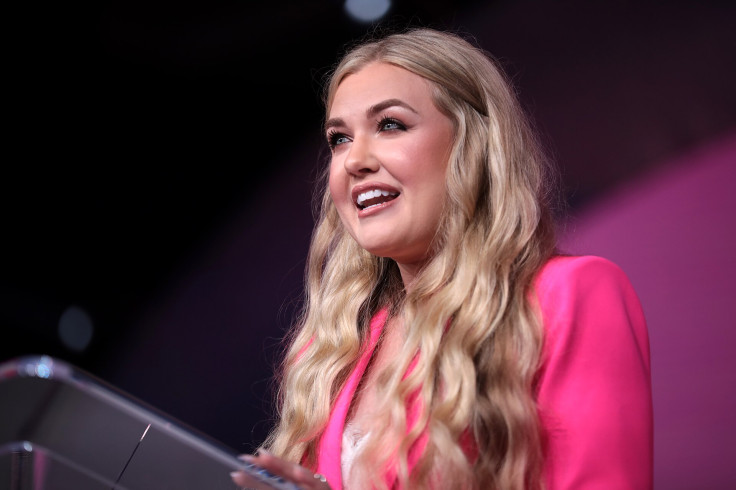
The Kirk family's lawyer, Jeffrey Neiman, told Judge Graf on Wednesday: 'To not be transparent, to not be open and let the world see what happened will create doubt and distrust in the judicial system.'
Robinson's legal team objected, arguing that broader disclosure could jeopardise his right to a fair trial.
The judge ultimately permitted only redacted versions of certain interviews and messages to be shown in court.
A Trial Now Looms
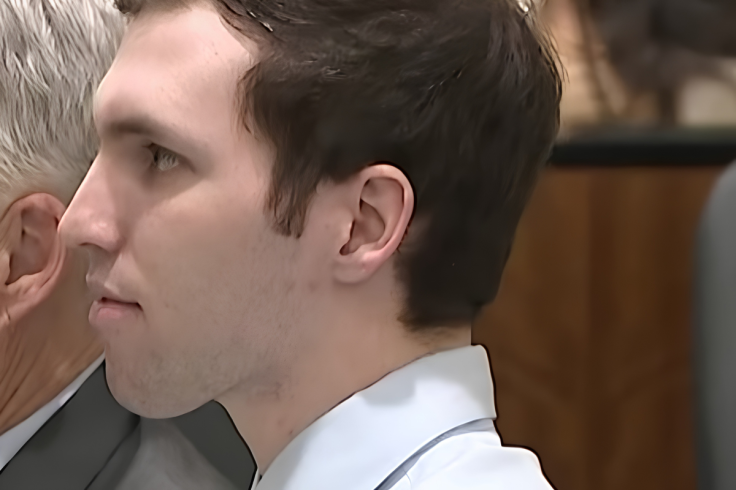
Twiggs' recorded interview adds to the evidence already presented this week. During the preliminary hearing, prosecutors have also introduced DNA analysis, text messages exchanged between Robinson and Twiggs, and surveillance footage.
If prosecutors establish probable cause, the case will proceed to trial. Utah prosecutors intend to seek the death penalty if Robinson is convicted, a move his legal team has unsuccessfully sought to prevent.