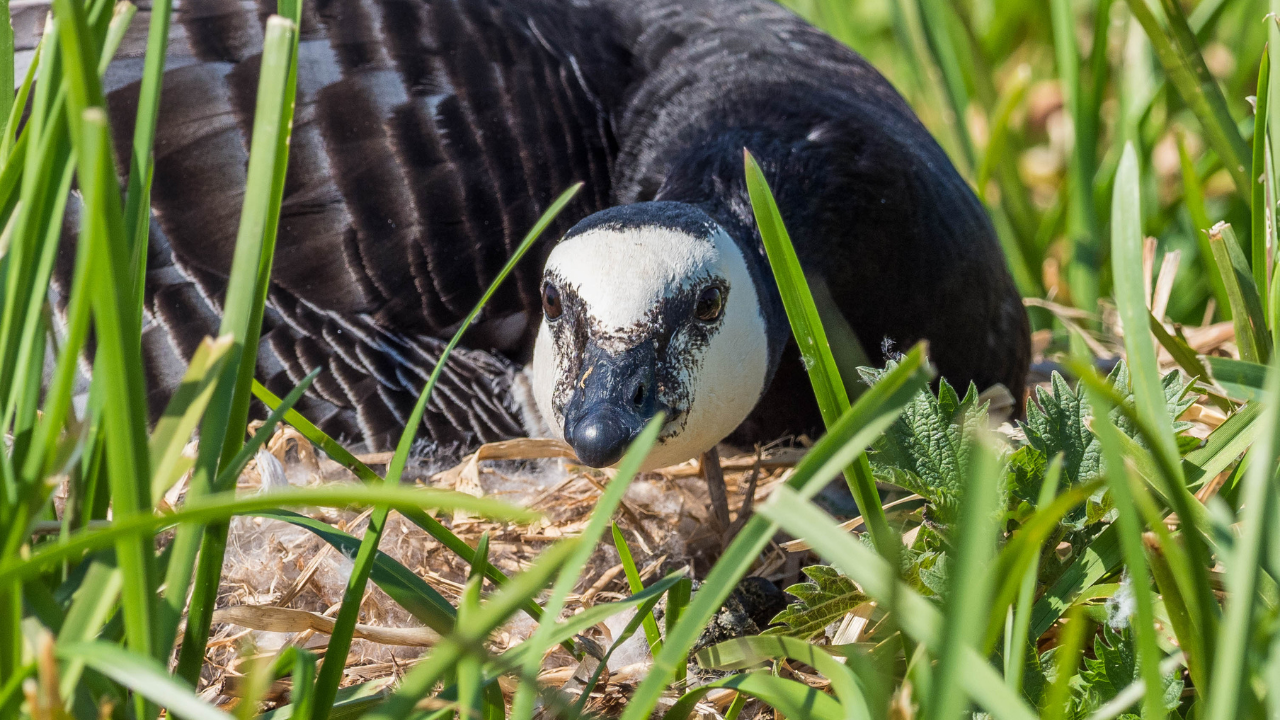
Thousands of migratory geese descend on Denmark’s farmland every winter, stripping winter wheat fields until little more than short stubble remains. For years, many farmers have blamed the birds for disappointing harvests, while conservationists have argued that wheat can recover once spring arrives. A new peer-reviewed study published in Springer Nature suggests both sides were partly right. After monitoring heavily grazed wheat fields and recreating worst-case grazing conditions, researchers found that the biggest threat is not how much geese eat during winter, but when they continue feeding. Heavy winter grazing alone left grain harvests largely unchanged, while grazing that extended into late spring consistently cut yields by around 7% to 10%.
Get breaking news anytime, anywhere. Download the TOI app now!
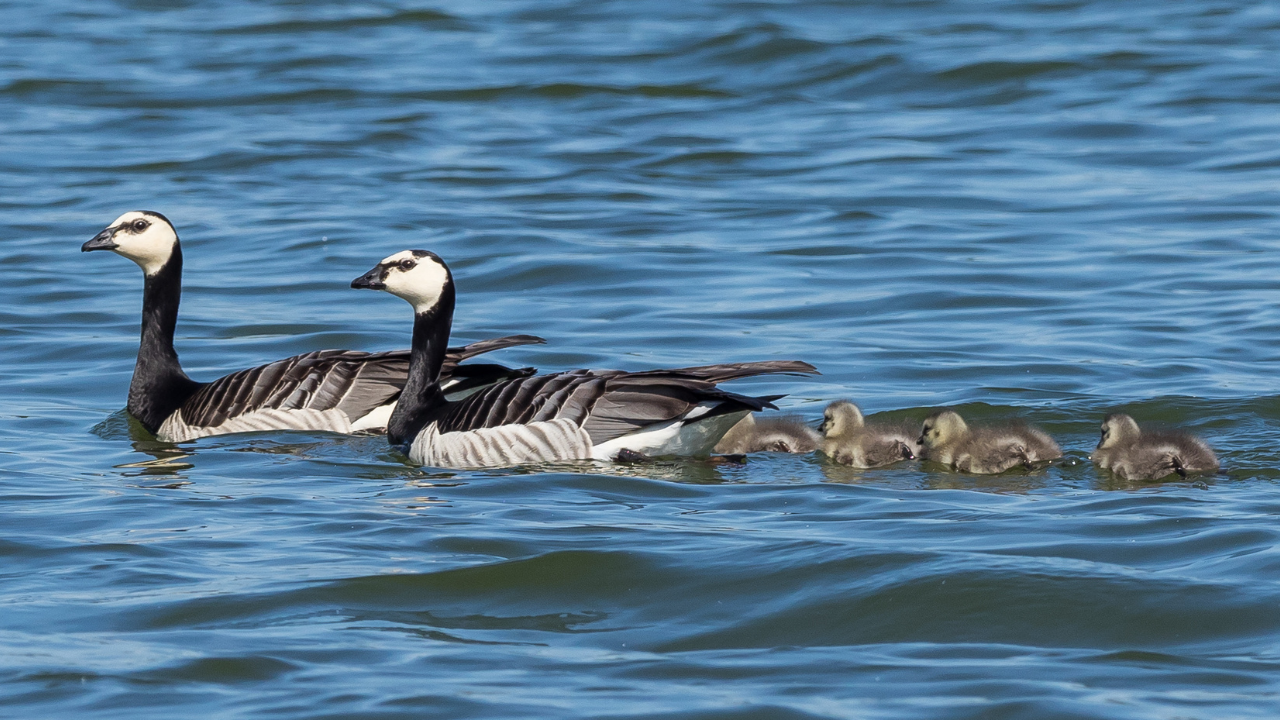
Winter grazing looks dramatic, but wheat often recovers
Researchers from Aarhus University combined observations from six heavily grazed commercial winter wheat fields in southeast Denmark with controlled biomass-removal experiments designed to mimic intense goose grazing. The field survey covered the 2023-24 growing season, while the simulation experiment followed during 2024-25, allowing the team to compare real-world grazing with experimentally controlled “worst-case” scenarios.
Across the six farms, geese reduced crop height by between 25% and more than 80% during winter, leaving some wheat only a few centimetres tall. Despite the dramatic appearance, harvest data told a different story. Fields that experienced only winter grazing showed no statistically significant reduction in grain yield, indicating that winter wheat can replace much of the lost biomass once active growth resumes in spring. The researchers attribute this resilience to the crop’s dormant winter phase and its ability to compensate through later growth.
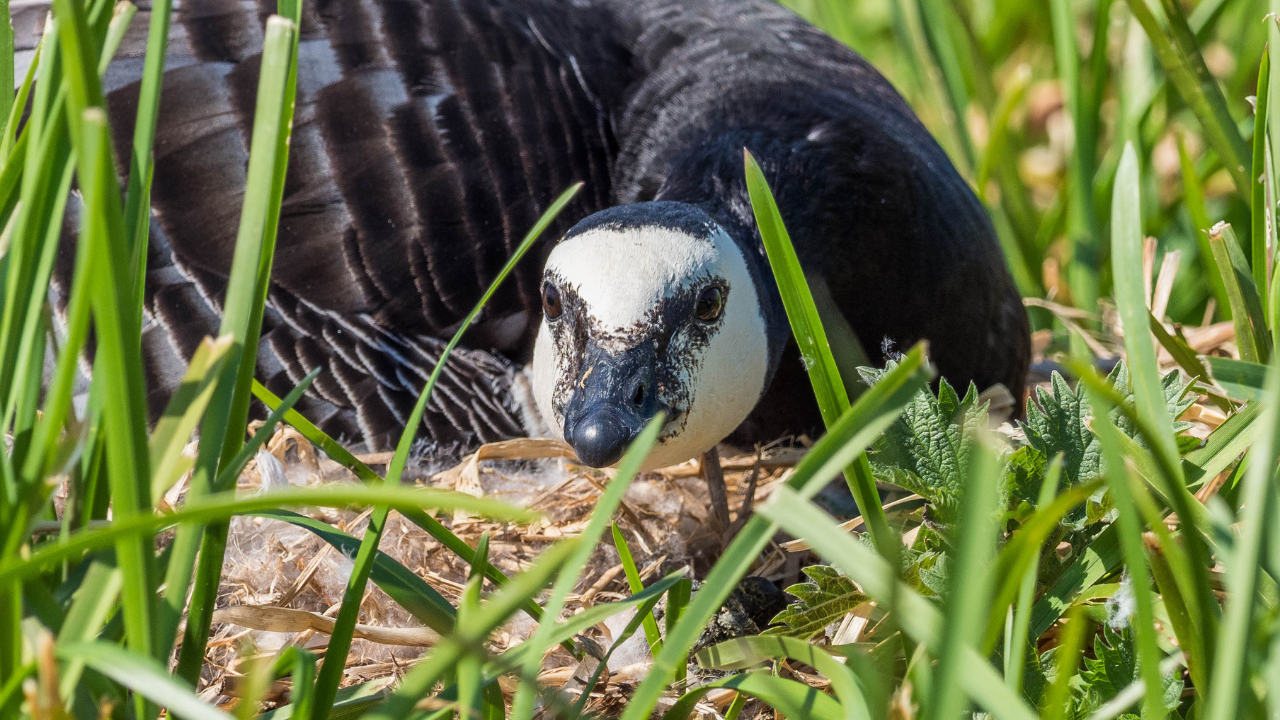
The real damage begins when geese stay into spring
The picture changed once the geese continued feeding after winter. Two of the monitored fields experienced both winter and spring grazing, and both recorded significant yield losses at harvest. Grain production fell by 9.5% on one field and 7.3% on another compared with nearby ungrazed areas. The simulation experiment reached nearly identical conclusions. Wheat cut during both winter and spring lost between 8.3% and 8.8% of its grain yield, even though plots cut only during winter performed as well as, or in one drought-affected field even better than, untreated controls.
The researchers believe timing explains the difference, because during winter, wheat remains largely dormant and can replace lost leaves before grain formation begins. By late spring, however, grazing coincides with critical developmental stages, including formation of the grain head, leaving the plant with far less opportunity to recover before harvest. The study also found that spring grazing reduced grain nitrogen content, which can lower protein levels in wheat destined for animal feed and potentially increase costs for farmers who need to supplement feed quality.
Short winter crops may invite a second wave of grazing
One of the study’s more surprising findings is that winter grazing itself may increase the likelihood of later damage. Researchers observed that spring grazing generally occurred only in fields that had already been grazed during winter. By repeatedly trimming the crop, geese kept the wheat short and attractive, encouraging flocks to return when the plants entered more vulnerable growth stages. Ungrazed wheat, by contrast, had often reached almost 40 centimetres in height by April, making it less appealing to feeding geese.
Rather than trying to drive geese away throughout the entire winter, the authors argue that farmers and conservation managers may achieve better results by preventing grazing during late spring, when wheat becomes far more susceptible to lasting damage. Early intervention during winter could still be useful if it discourages birds from repeatedly returning to the same fields, but the study suggests resources are likely to be most effective when focused on protecting crops during the narrow spring window that determines final grain yield. The researchers note that their work covered a limited number of fields, but the agreement between real farm observations and controlled experiments strengthens the conclusion that timing, rather than winter grazing intensity alone, is the main driver of yield loss in winter wheat.