The authority of Victoria’s Koori court received a boost on Monday following a supreme court decision that a magistrate acted unlawfully in refusing a young Aboriginal man’s request to be sentenced by the Koori court in a nearby town.
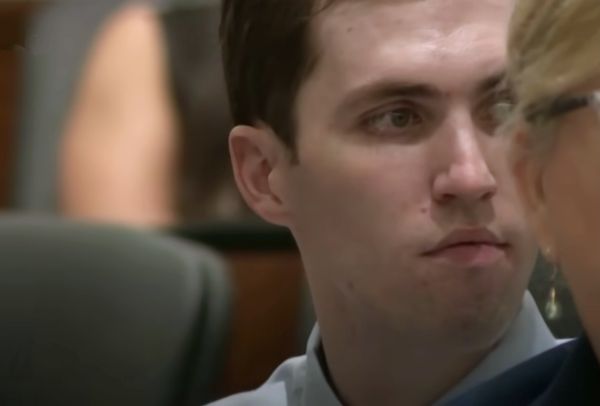
In April last year, 19-year-old Zayden Cemino, a Yorta Yorta man from Echuca, had pleaded guilty to various offences, most of which related to riding a motorbike unlicensed.
Cemino asked to be transferred to the Koori court in Shepparton for sentencing. Shepparton, about 70km away from Echuca, is also on Yorta Yorta land.
The Victorian Aboriginal Legal Service (Vals) said Cemino told the court he felt more comfortable appearing in Koori court, particularly when discussing the recent death of his mother, a Yorta Yorta woman.
The transfer request was refused by the magistrate, in part because Cemino’s offences were committed in Echuca, not Shepparton.
The Koori court has been operating in Victoria since 1989. It is a more informal process: the magistrate sits at a table with defendants, lawyers and families, rather than at the bench, and plain English is used. Local elders help determine sentences, with the aim of reducing reoffending and exploring alternatives to prison.
VALS challenged the magistrate’s decision in the supreme court on administrative law and human rights grounds.
The case is being seen as the first proper consideration of Aboriginal cultural rights under section 19 of Victoria’s charter of human rights and responsibilities.
The supreme court found that in certain court processes, Aboriginal cultural rights were a relevant factor for magistrates to consider.
Cemino will be allowed to have a different magistrate consider his transfer request.
The director of legal and client services at VALS, Meena Singh, said the Koori court was an important factor in reducing Aboriginal over-incarceration in Victoria.
“Koori courts provide a more meaningful and culturally appropriate sentencing experience than mainstream courts, and today’s supreme court decision promotes access, especially for people in regional areas without a local Koori Court,” Singh said.
“For many, having Aboriginal elders speak to them about the offending can be an incredibly powerful and sometimes life-changing experience.
“These elders often know a person’s entire family, and can provide a crucial cultural link and perspective that really draws a person in and forces them to reflect.
“At a time when Aboriginal incarceration in Victoria and Australia is increasing, we need to focus on meaningful justice outcomes that engage Koori people and divert them from the system.”
The Victorian government recently announced $12.3m for the expansion of Koori courts across Victoria under phase four of the Aboriginal justice agreement.