

Understanding Canine Communication
Dogs rely on non-verbal cues to express feelings such as happiness, fear, curiosity, or aggression. Unlike humans, they cannot speak, so their body movements become their language. Observing these signals carefully helps in recognizing their needs and emotions. Understanding a dog’s body language especially ear position, tail movement, and eye expression is essential because dogs communicate primarily through nonverbal cues rather than words. Subtle changes in ear movement can signal alertness, fear, or curiosity, while tail wagging can express excitement, anxiety, or even irritation depending on its speed and position. Similarly, a dog’s eyes can reveal emotions like trust, stress, or aggression through gaze, blinking, or the visibility of the whites of the eyes. By learning to interpret these signals, owners can better understand their dog’s feelings, respond appropriately to their needs, prevent potential behavioral issues, and strengthen the bond of trust and communication between human and pet.
The Tail: More Than Just Wagging
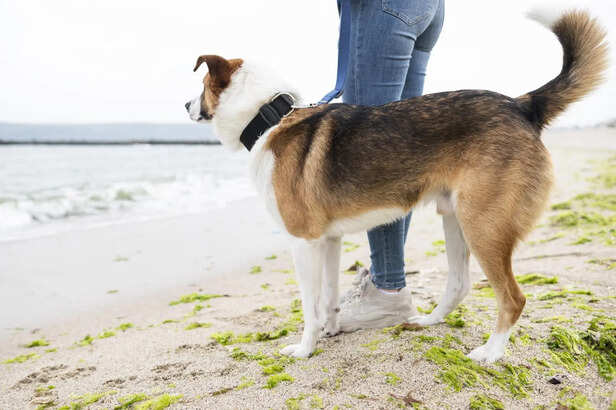
Happy and Relaxed Tail
A loosely wagging tail at a medium height usually indicates a happy and friendly dog. The wag may be wide and relaxed, showing comfort.
High and Stiff Tail
A raised, stiff tail signals alertness or dominance. Your dog might be assessing a situation or asserting control.
Low or Tucked Tail
A tail tucked between the legs often reflects fear, anxiety, or submission. This is a sign your dog feels unsafe or stressed.
Fast Wagging Tail
Rapid wagging doesn’t always mean happiness—it can also indicate excitement or nervous energy. Context matters.
The Ears: Indicators of Attention and Mood
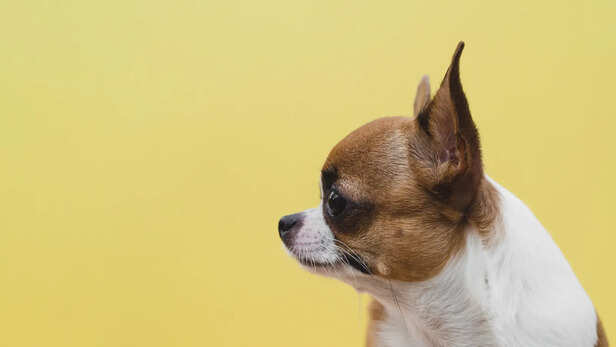
Ears Forward
When ears are perked forward, your dog is alert and focused. They may be curious or attentive to something interesting.
Ears Back
Ears pulled back can signal fear, anxiety, or submission. In some cases, it may also show friendliness when combined with a wagging tail.
Relaxed Ears
Ears in their natural resting position indicate that your dog is calm and comfortable.
Flattened Ears
Flattened ears tightly against the head often indicate fear or possible aggression, especially if combined with other tense body signals.
The Eyes: Windows to a Dog’s Emotions

Soft, Relaxed Eyes
Soft eyes with a gentle gaze show that your dog is calm, happy, and at ease.
Direct Staring
A hard, fixed stare can be a sign of dominance or a warning. It may precede aggressive behavior if not addressed.
Avoiding Eye Contact
Looking away or avoiding eye contact often indicates submission or discomfort.
Wide Eyes (“Whale Eye”)
When you can see the whites of your dog’s eyes, it often signals fear, stress, or unease.
Combining Signals for Accurate Understanding
A single signal can be misleading for example, a wagging tail doesn’t always mean happiness. When combined, these cues create a clearer picture of the dog’s emotional state. For instance, relaxed ears, soft eyes, and a gently wagging tail usually indicate a calm and friendly dog. In contrast, stiff ears, a high rigid tail, and a hard stare may signal alertness or potential aggression. Similarly, flattened ears, a tucked tail, and avoiding eye contact often show fear or anxiety. By observing the whole body language as a “complete message,” you can interpret your dog’s feelings more accurately. The benefits of decoding dog body language are significant. It helps prevent misunderstandings that could lead to bites or stress, improves communication between you and your dog, and allows you to respond appropriately to their needs whether they are feeling playful, scared, or uncomfortable. It also strengthens trust and bonding, as your dog feels more understood and secure. Additionally, early recognition of stress or discomfort signals can help address behavioral or health issues before they become serious, making you a more responsible and attentive pet owner.
Celebrate the bond with your pets, explore Health & Nutrition, discover Breeds, master Training Tips, Behavior Decoder, and set out on exciting Travel Tails with Times Pets!
Frequently asked questions (FAQs)
-
Why does my dog wag its tail but still seem aggressive?
Tail wagging does not always mean happiness. Dogs may wag their tails when they are excited, anxious, or even agitated. If the wag is stiff, fast, and paired with tense muscles, a fixed stare, or growling, it can indicate aggression or discomfort. Always consider the full body language before approaching.
-
What does it mean when my dog avoids eye contact?
Avoiding eye contact is often a sign of submission, fear, or respect. Dogs use this behavior to show they are not a threat. It can also occur when a dog feels uncomfortable or anxious in a situation. Giving them space and reassurance can help them feel safe.
-
Can ear positions vary by breed?
Yes, ear positions can differ depending on the breed. Dogs with floppy ears may show less obvious movements compared to those with upright ears. However, changes in ear tension, direction, and overall posture still provide valuable clues about their emotional state.