India on Monday voiced deep concern over a drone attack targeting the Barakah nuclear facility in the United Arab Emirates (UAE) as it marked a dangerous escalation in the West Asia conflict.
“India is deeply concerned at the attack targeting the Barakah nuclear facility in the UAE. Such actions are unacceptable and represent a dangerous escalation. We urgently call for restraint and a return to dialogue and diplomacy,” the ministry said.
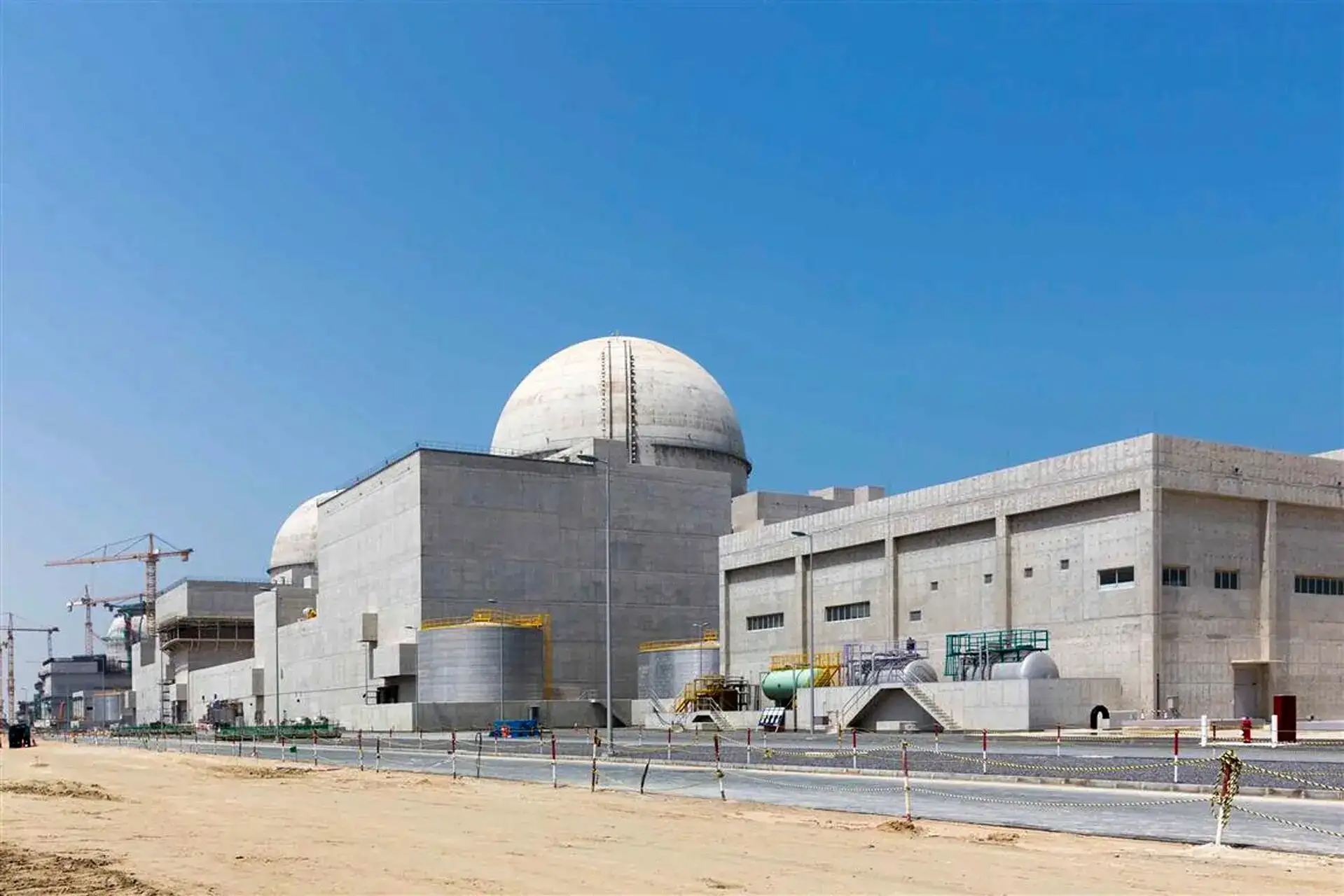
The reaction came after a drone strike caused a fire at the Barakah nuclear power plant in Abu Dhabi. Emirati authorities said the strike hit an electrical generator outside the plant’s inner perimeter, though there were no injuries or radiological leaks. Officials confirmed that safety systems remained intact and that all units were operating normally.
The statement comes after the UAE confirmed attack targeting an electricity generator outside the inner perimeter of the Barakah Nuclear Power Plant in the Al Dhafra region was carried out by a drone.
UAE strongly condemned the attack and termed it a "terrorist attack."
UAE, in a statement, clarified that no damage was incurred on the power plant.
UAE's Ministry of Foreign Affairs (MoFA) affirmed that these attacks constitute a dangerous escalation, an unacceptable act of aggression, and a direct threat to the country's security. The Ministry stressed that the targeting of peaceful nuclear energy facilities is a flagrant violation of international law, the UN charter, and the principles of humanitarian law, given the grave risks such acts pose to civilians, the environment, as well as regional and international security.
The Ministry further emphasised that relevant international standards and agreements, including the principles and relevant resolutions of the International Atomic Energy Agency, underscore the necessity of protecting peaceful nuclear facilities and safeguarding their safety and security from any hostile acts or military threats.
The UAE emphasized that it will not tolerate any threat to its security and sovereignty under any circumstances, and that it reserves its full sovereign, legitimate, diplomatic and military rights to respond to any threats, allegations, or hostilities in a manner that ensures the protection of its sovereignty, national security, territorial integrity, and the safety of its citizens, residents, and visitors, in accordance with international law.
In the statement, the UAE further underscored that targeting vital and civilian infrastructure is unequivocally condemned and rejected under all legal and humanitarian norms, underscoring the need to immediately halt these unprovoked attacks and ensure full compliance with the cessation of all hostilities.
This unprecedented targeting marks a sharp escalation for the installation, which holds a historical distinction as the first and only operational nuclear power facility located anywhere on the Arabian Peninsula. The massive USD 20 billion Barakah nuclear power plant was originally constructed by the Emirates in technical collaboration with South Korea and successfully went online in 2020.
The unfolding situation highlights how, in recent years, nuclear power infrastructure has increasingly found itself targeted within active combat zones. This represents a dangerous trend that first intensified during Russia's full-scale invasion of Ukraine in 2022.
A similar dynamic has been playing out on the other side of the current Iran war, where Tehran has frequently asserted that its own Bushehr nuclear power plant came under hostile attack. However, those previous incidents resulted in no direct structural damage to its Russian-run reactor, nor did they trigger any form of radiological release.