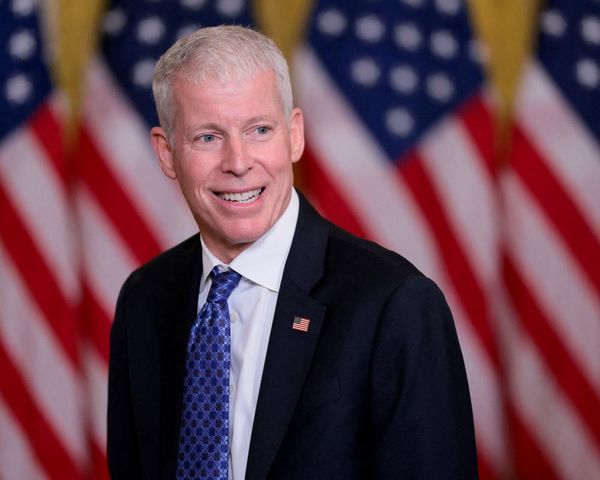

If you met an almost-50-year-old Terry Fulton in 2001, he'd tell you he didn't expect to live much longer.
Like three million other Australians at the time, picking up a packet of cigarettes was a daily habit.
"Advertising made it look cool, and I followed along," Mr Fulton told AAP.
The now 73-year-old lit up 20 to 40 cigarettes daily for 50 years until a massive stroke in 2023 gave him a wake-up call.
"Lying in the stroke recovery unit, seeing people with disabilities worse than mine, I knew I had to stop smoking," Mr Fulton said.
Research suggests Mr Fulton is one of many who have kicked the habit in the past two decades.
The number of daily smokers has more than halved since 2001, according to data released by the Australian Institute of Health and Welfare.

Some 1.3 million Australians still smoke every day, but the proportion of people aged 14 and over who have never smoked has hit a record high of 68.7 per cent.
Advocates say the findings suggest Australia is on track to meet it national daily use target of five per cent or less by 2030.
But experts warn the surge in the proportion of smokers taking to the black market risks undermining Australia's historic public health response.
More than one in three smokers said they had bought illicit tobacco in the previous three months, more than doubling in three years.

"The number one reason why (smokers) quit is because of health impacts," Professor Becky Freeman, a public health expert at the University of Sydney, told AAP.
"But the number two reason they quit is because of the price.
"The widespread availability of cheap illicit tobacco undermines those attempts."
In June, the Australian Bureau of Statistics published data suggesting nicotine consumption had increased by 40 per cent nationwide from 2017 to 2025.
The surge, drawn from nicotine found in wastewater samples, significantly outpaced population growth of about 14 per cent over the period.
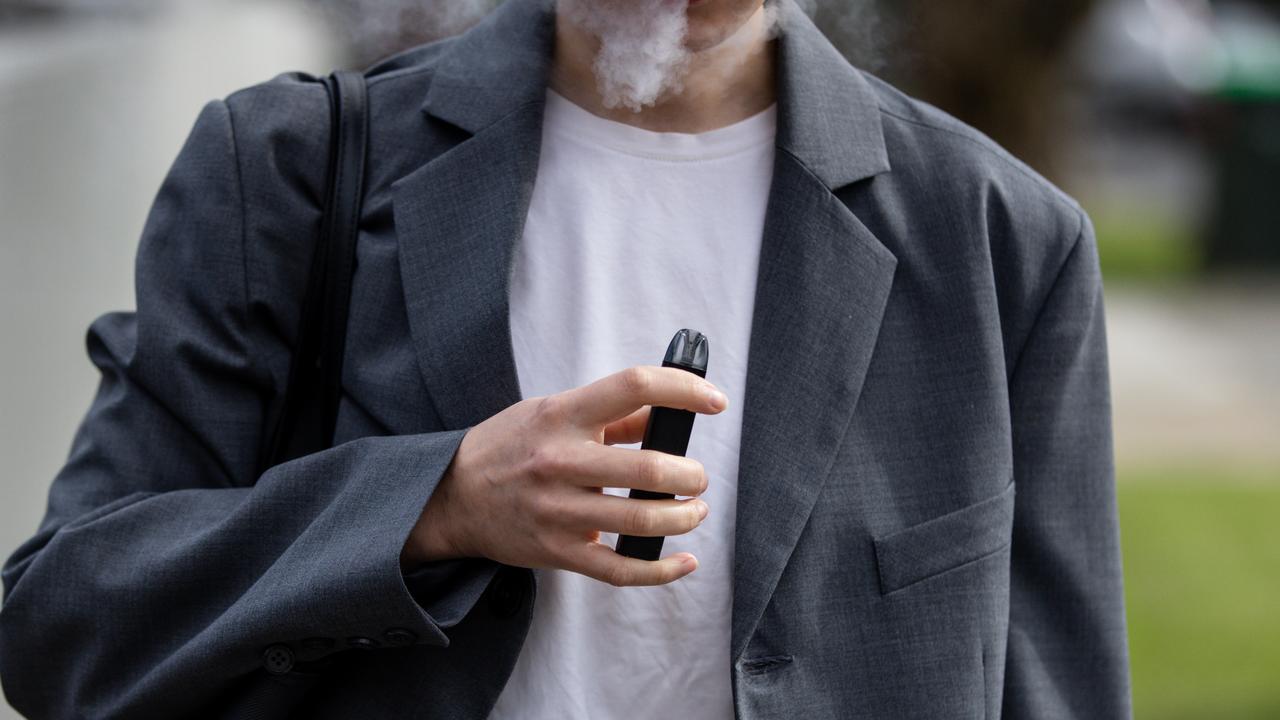
Prof Freeman said data likely suggested black market users were consuming more nicotine, including through more concentrated products.
The Australian Institute of Health and Welfare's national drug strategy household survey did not probe consumption rates, instead focusing on overall usage.
Daily e-cigarette use has grown by just 0.1 per cent since 2022, while frequent e-cigarette use among young people aged 18 to 24 also slumped.
Among the 17,500 people surveyed, those who vaped weekly or monthly were increasingly likely to drop the harmful habit.

Prof Freeman said the findings were promising, but more must be done to crack down on dodgy dealers.
"Some states are getting it right. Others have been woeful and really dragging their feet," she said.
More detailed results of the study, including figures on alcohol and other drug use, are expected in August.