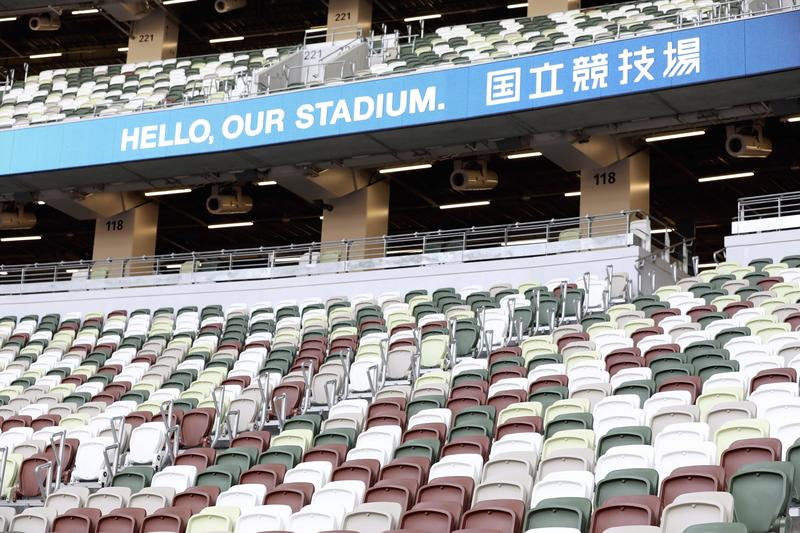
Elements of the Tokyo Olympic and Paralympic Games have been reviewed to find expenses to cut as Games costs are expected to balloon. Hundreds of billions of yen in additional expenditures are associated with the postponement of the Tokyo Games to 2021.
The Tokyo Organizing Committee of the Olympic and Paralympic Games, which agreed with the International Olympic Committee to cut costs in April, ordered all departments in charge of operations to review their plans. About 200 items have been identified for a cost-cutting study by the organizing committee and the IOC, sources said.
As for the torch relay, the organizing committee has begun to consider reducing the number of days by holding the relay on multiple courses at the same time and canceling some ceremonies. It had originally planned to leave the course and runners unchanged, only postponing the start date.
Also proposed is that the opening and closing ceremonies should be less festive, less costly and downsized, leaving just the minimum elements, such as the march of delegations into the stadium and the ceremony to hand over the Olympic and Paralympic flags to the next host city.
When they were considering various cost cuts, the government presented its proposals to simplify elements of the Games. However, there will be high hurdles to clear on the way to implementing them.
One of the difficulties is reducing the number of spectators because about 5.5 million tickets have already been sold. Tickets for popular events, such as the opening and closing ceremonies and track and field, are nearly sold out. If seating is reduced, some people might not be able to attend the event they bought tickets for.
The about 90 billion yen in ticket sales accounts for a large portion of the organizing committee's revenue of about 630 billion yen. If seating is reduced or an event is held without spectators, it will be a major blow to the committee. This is why it is difficult for the committee to make a decision on this issue.
On the other hand, the organizing committee has commissioned a doctor familiar with infectious diseases as a measure against the novel coronavirus. Under consideration is the testing of all athletes and Games staff, with those who test negative not allowed to participate.
A working group set up with the World Health Organization and the IOC is discussing how the Games can be held even if a vaccine cannot be developed in time for the start.
A senior member of the organizing committee indicated that the organization intends to start full-scale examinations into measures against the coronavirus from this autumn, saying, "No one can predict how the pandemic will develop in the future."
Read more from The Japan News at https://japannews.yomiuri.co.jp/