Cuba has turned to Africa for fuel supplies after the loss of regular oil shipments from Venezuela and dwindling deliveries from Russia and Mexico, according to satellite-tracking data cited by Colombian outlet Semana.
The move underscores the strain on the island's energy system following the disruption of Venezuelan exports after the capture of Nicolás Maduro earlier this month and a U.S. naval blockade targeting sanctioned oil shipments.
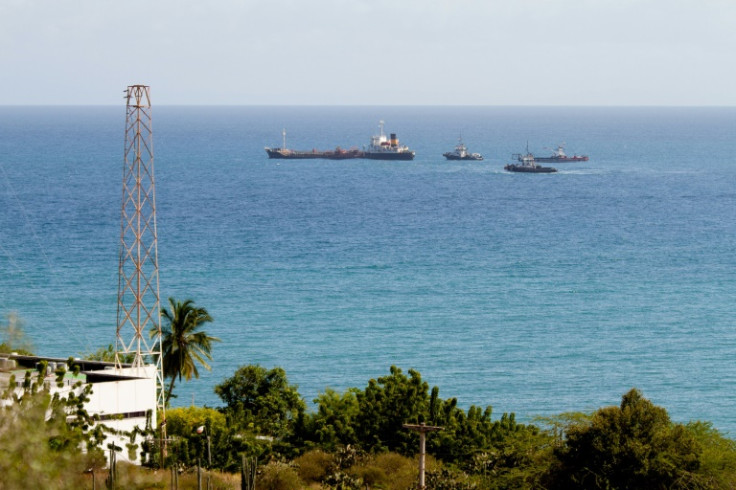
The petrochemical tanker Mia Grace departed the port of Lomé, Togo, on Jan. 19 and is scheduled to arrive in Havana on Feb. 4. The vessel, sailing under the flag of the Marshall Islands, has a deadweight of nearly 50,000 tons, maritime records show. Analysts estimate the shipment could carry about 314,500 barrels of diesel or roughly 280,500 barrels of fuel oil, though the ship does not appear to be fully loaded, as Semana reports.
Jorge Piñón, a nonresident researcher at the University of Texas Energy Institute, told Diario de Cuba that the cargo likely consists of diesel or fuel oil, though its precise quality remains unconfirmed. Piñón said the purchase was probably made on a cash basis by Cubametales, the state oil trading company controlled by the military conglomerate GAESA, possibly through a European intermediary.
While Togo does not refine oil, Piñón noted that it serves as a logistics hub for refined fuel exports. The Mia Grace previously sailed from Antwerp, Belgium, where GAESA has carried out occasional purchases in past years.
The import comes as Cuba's power system faces acute shortages. State utility Unión Eléctrica reported that distributed generation—often used to reduce blackouts during peak hours—has been nearly paralyzed. According to official figures, 101 distributed plants are offline for lack of fuel, cutting 927 megawatts, while lubricant shortages have removed an additional 156 megawatts.
Experts warn the situation is likely to worsen as Cuba needs about 100,000 barrels of oil per day to function, but Venezuelan shipments had already fallen from roughly 100,000 barrels at their peak to about 35,000 before stopping altogether, as The New York Times reported over the weekend.
Mexico remains Cuba's main external supplier, with occasional support from Russia, but those flows fall well short of demand. Domestic production covers only about 40,000 barrels a day, leaving the government scrambling to secure fuel from unconventional sources.
In the meantime, the Trump administration is considering a total blockade on oil imports to Cuba to drive regime change in the country, according to a new report.
Politico detailed that the initiative is resisted by some in the administration but has the backing of Secretary of State Marco Rubio.
Originally published on Latin Times