The government’s annual deficit is heading towards £300bn thanks to emergency coronavirus crisis measures, according to the latest estimate from the Treasury’s official forecaster.
Last month the Office for Budget Responsibility (OBR) estimated that public borrowing in the current financial year would come in at around £273bn thanks to unprecedented support measures such as the jobs furlough scheme.
On Tuesday it raised that estimate to £299bn, which would be equivalent to a post-war record of 15.2 per cent of GDP.
In the March Budget, before the lockdown, the OBR had been anticipating borrowing of just £55bn in 2020-21.
The forecaster now sees public debt breaching 95 per cent of GDP this year.
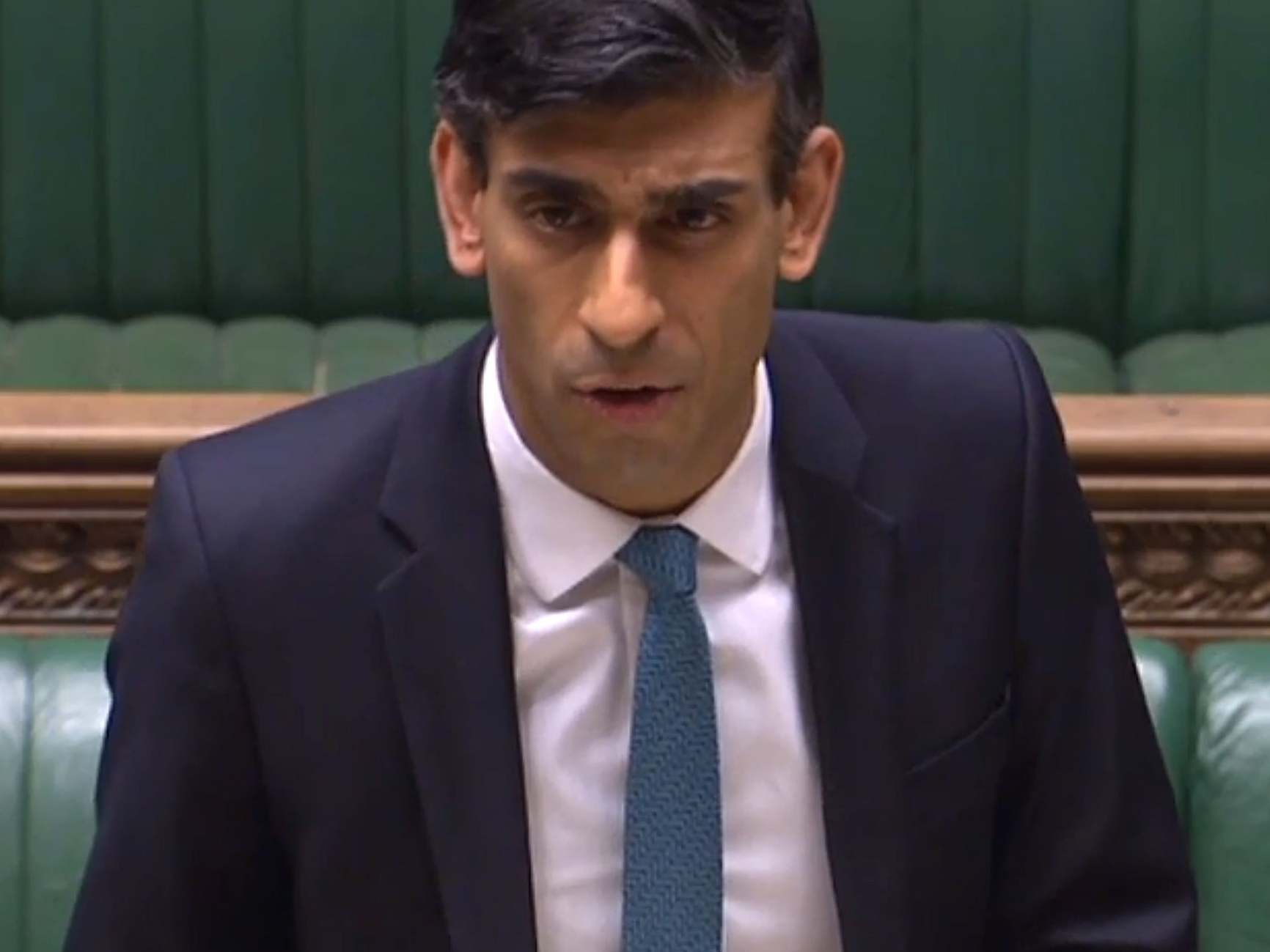
The increase in the estimate of the size of total public borrowing relative to last month was mainly driven by chancellor Rishi Sunak’s decision earlier this week to extend the furlough programme – officially called the Coronavirus Jobs Retention Scheme – for a further four months from the end of June, when it had been due to end.
The total cost of the scheme is now put at £63bn by the OBR, up from £49bn in the last estimate.
The OBR now sees the bill for the impact of direct effect of government decisions in this crisis – including deferring tax payments – as £123bn, up from £104bn seen last month.
Including the wider public sector and other state financial transactions, the OBR puts the total public sector net cash requirement for this financial year at £423bn, up from £380bn in April.
The OBR said that the emergency support measures were costly but stressed they could ultimately prove good value for money.
“The measures are designed specifically to support the economy through this temporary shock and so they should help prevent greater economic and fiscal damage in the long term,” it said.
Earlier this week the Telegraphreported details of an internal Treasury assessment of the cost of the crisis. The “base case” had the deficit rising to £337bn – higher than the OBR’s latest estimate – while the “worst case” scenario had it hitting £516bn.
The document, reportedly, also outlined some potential fiscal consolidation measures raising income tax, ending the “triple lock” on pensions and freezing public sector pay.