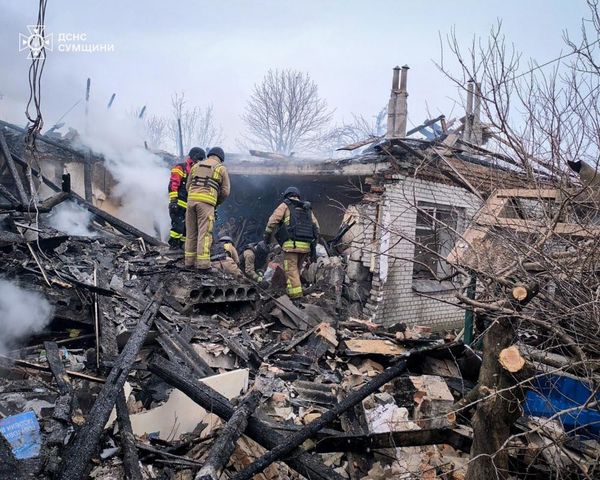
After World War II, Japan had to quickly mechanize construction work to rebuild the devastated nation, cultivate the land to increase the food supply, and develop homes for people to live in.
Bulldozers and trucks sold off by U.S. forces, or those owned by the Imperial Japanese Army, were the primary tools for rehabilitation in the early days after the war. At the same time, domestic manufacturers also steadily developed machines for such operations.
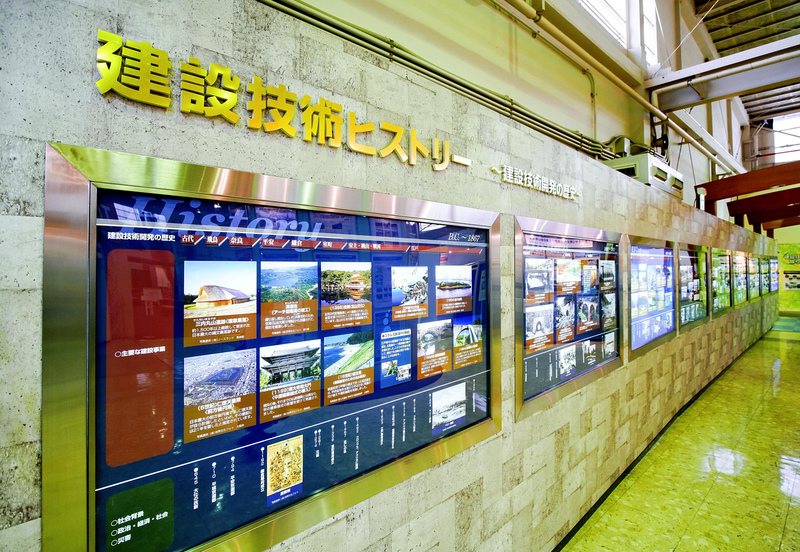
The Construction Technology Pavilion illustrates the history of infrastructure development through construction machines, with exhibitions ranging from those offering basic information about construction technology to the latest technologies.
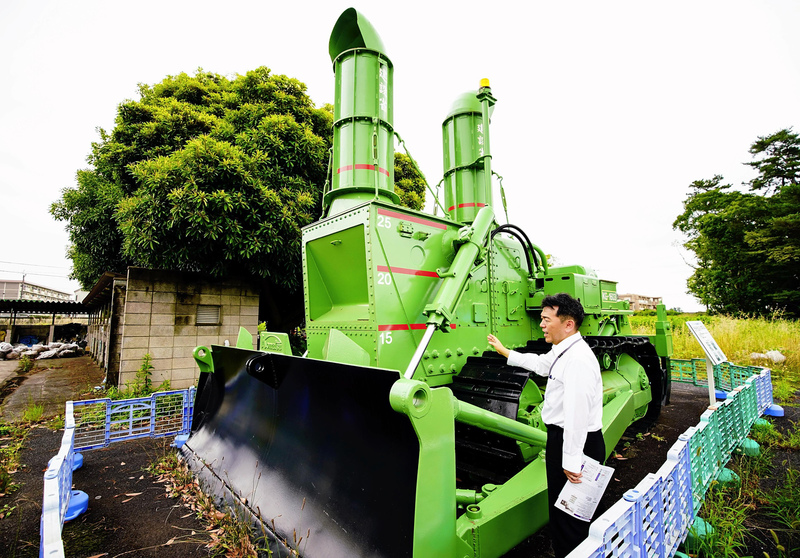
The museum's outdoor exhibition space contains a notable display -- an unusually designed piece of construction equipment with two huge exhaust tubes. This is the world's first amphibious bulldozer, which was jointly developed by the then Construction Ministry with Komatsu Ltd. in 1968. Bulldozers of this kind were a great help when dredging rivers, as they could work at depths of up to three meters under water and also be operated remotely.
A construction company in Tokyo owns an improved model of the bulldozer, which made a comeback in the rehabilitation of disaster-hit areas following the Great East Japan Earthquake. Operating superbly amid reconstruction efforts, the bulldozer even became the main character of a picture book.
The museum also exhibits a shield machine for boring a tunnel, and the structure of an underground space known as a "multipurpose underground conduit" for gas, electricity, water supply and sewerage systems, and other major lifeline systems.
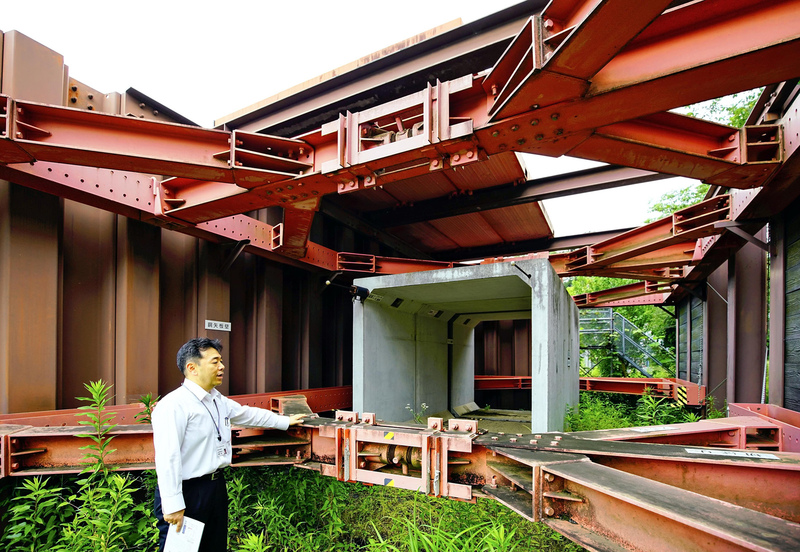
There is also part of a pier of Nakajobashi bridge in Sakae, Nagano Prefecture, which was damaged in a quake registering upper 4 on the Japanese seismic intensity scale of 7 on the day after the March 11, 2011, disaster.
Many of the visitors are students who major in civil engineering and people related to the construction industry, according to the museum.
In recent years, more construction projects are utilizing Information and Communications Technology, or ICT, which automatically controls construction equipment. After the museum was renovated this year, it newly established a section to show how ICT is used for construction machines, using panels and videos.
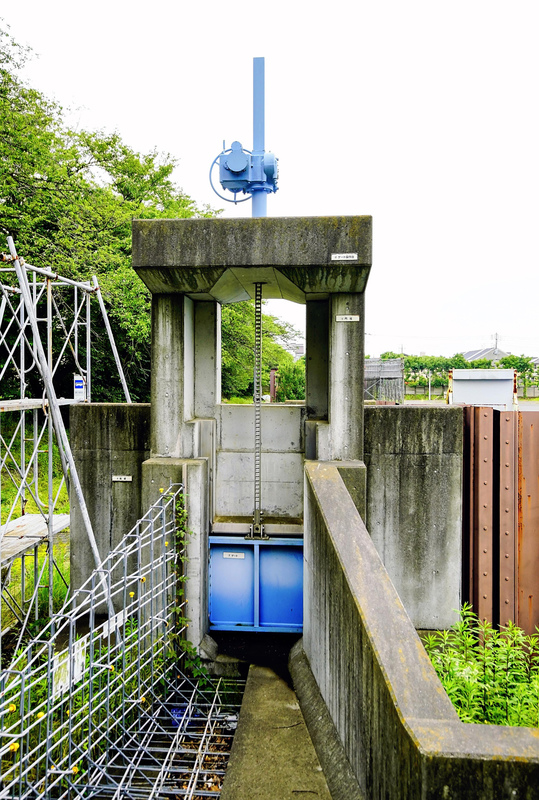
When a major quake and other disasters occur, the Land, Infrastructure, Transport and Tourism Ministry sends staff and vehicles to respond. A disaster-relief task-force car, a lighting vehicle and a pumper truck are displayed in the ministry's Kanto Technology Development Office building, where the museum is located. Advance reservations are required to see the cars.
"Construction work is considered background work. I'll be very happy if visitors are attracted by the mission to support people's lives behind the scenes," said Takeshi Masuo, an official of the office.
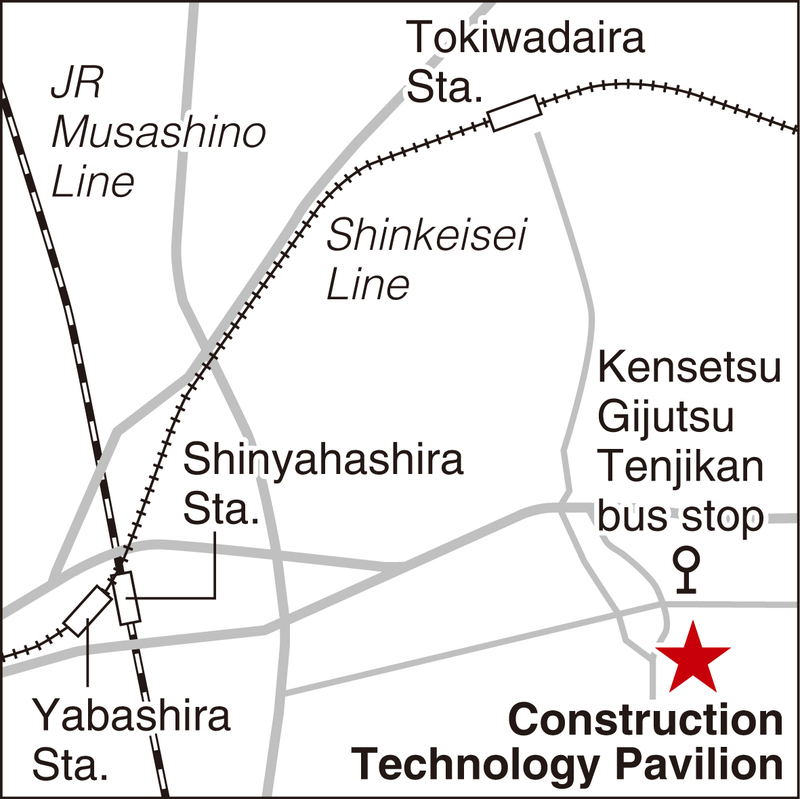
-- Construction Technology Pavilion
Opened in the Land, Infrastructure, Transport and Tourism Ministry's Kanto Technology Development Office in 1999 as a facility where people can learn firsthand about construction technologies. The museum was renovated and reopened in May. Shinkeisei bus services are available from Shinyahashira Station on the JR Musashino Line, and Yabashira and Tokiwadaira stations on the Shinkeisei Line. A two minute-walk from "Kensetsu Gijutsu Tenjikan" bus stop.
Address: 6-12-1 Gokonishi, Matsudo, Chiba Prefecture.
Open: 10 a.m.-4 p.m. Closed on Mondays, Saturdays, Sundays, public holidays and year-end and New Year holidays.
Admission: Free
Information: (047) 394-6471
Read more from The Japan News at https://japannews.yomiuri.co.jp/