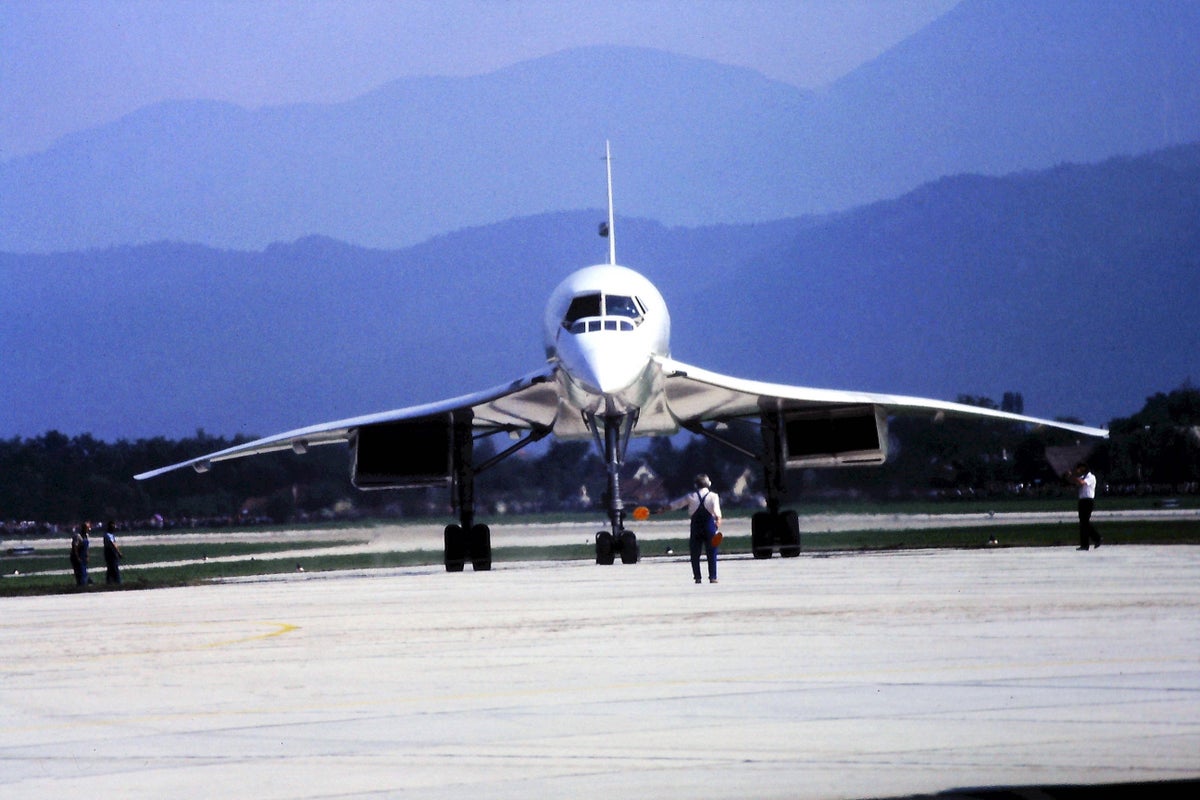
As 25 July marks the 20th anniversary of Concorde’s fatal crash, we look back on the highlights – and lowlights – of the famed supersonic jet.
5 November 1956 The Supersonic Transport Aircraft Committee is set up, envisaging “an aeroplane carrying 150 passengers on the non-stop London-New York route, cruising at about twice the speed of sound”.
29 November 1962 An Anglo-French treaty known as the Concord Agreement to produce “a civil supersonic transport aircraft” is signed by Julian Amery, minister of supply, and Geoffroy de Courcel, the French ambassador to Britain. The work is to be split between Sud Aviation (later Aérospatiale) and the British Aircraft Corporation (BAC).
3 June 1963 The first orders for the plane arrive, with Air France, BOAC (later part of British Airways) and Pan Am of the US each ordering six.
A wide range of other airlines later placed non-binding orders, including Air India, Iran Air, Lufthansa and Qantas. All except the French and British orders were subsequently cancelled.
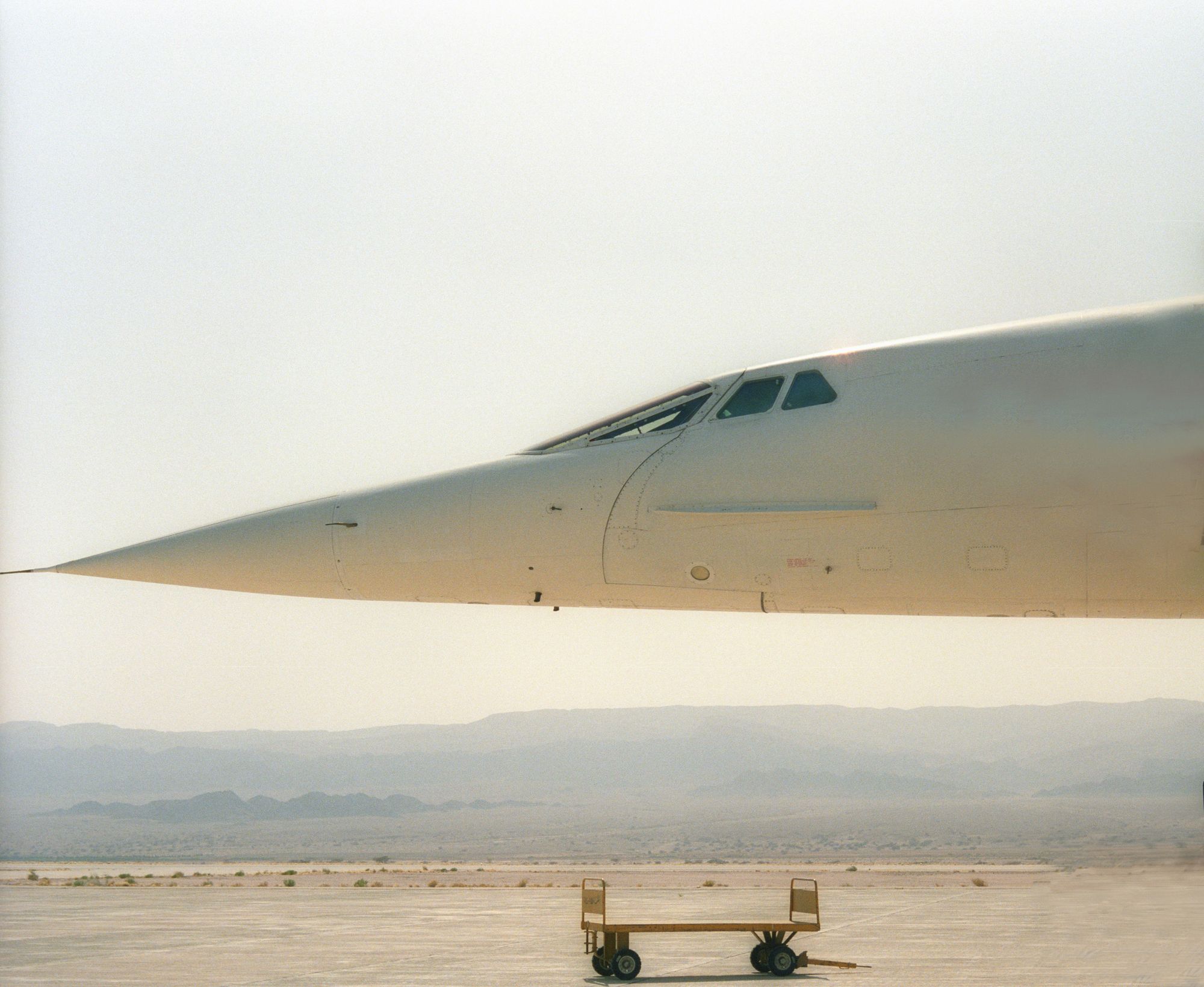
19 November 1964 Five weeks after the new Labour government is elected, ministers reveal they are considering abandoning the project. But the cancellation penalties are so substantial that the work continues. Three years later, MPs are assured: “The programme is going extremely well.”
11 December 1967 The first prototype Concorde is rolled out in Toulouse. Up to this point, the British had called it Concord, but the technology minister Tony Benn said they would add the “e”, standing for “excellence, England, Europe and entente”. The veteran politician was one of the passengers aboard the final Concorde flight in October 2003.
31 December 1968 Concorde’s Soviet rival, the Tupolev Tu-144, took off for the first time from a runway to the side of the factory where it was built in Zhukovski, southeast of Moscow. The plane was nicknamed “Concordski” by the West.
2 March 1969 The first Concorde test flight takes off from Toulouse. The UK side had to wait a further five weeks for a maiden flight from the BAC runway at Filton.

1 October 1969 Concorde goes supersonic for the first time.
3 June 1973 The Tupolev Tu-144 crashes during the 1973 Paris Air Show. When performing a high-stress manoeuvre, the left wing detached. All six crew died, as well as eight people on the ground.
21 January 1976 Concorde enters passenger service with British Airways from Heathrow to Bahrain and Air France from Paris to Rio. Permission to land in the US had not been granted. The Bahrain route required the BA plane to stay subsonic all the way to the Adriatic near Venice, whereupon it accelerated across the sea to the Gulf. The flight to Bahrain took around four hours; then and now, the subsonic flight is slightly under six hours. The Air France plane had to refuel at Dakar in Senegal, west Africa.
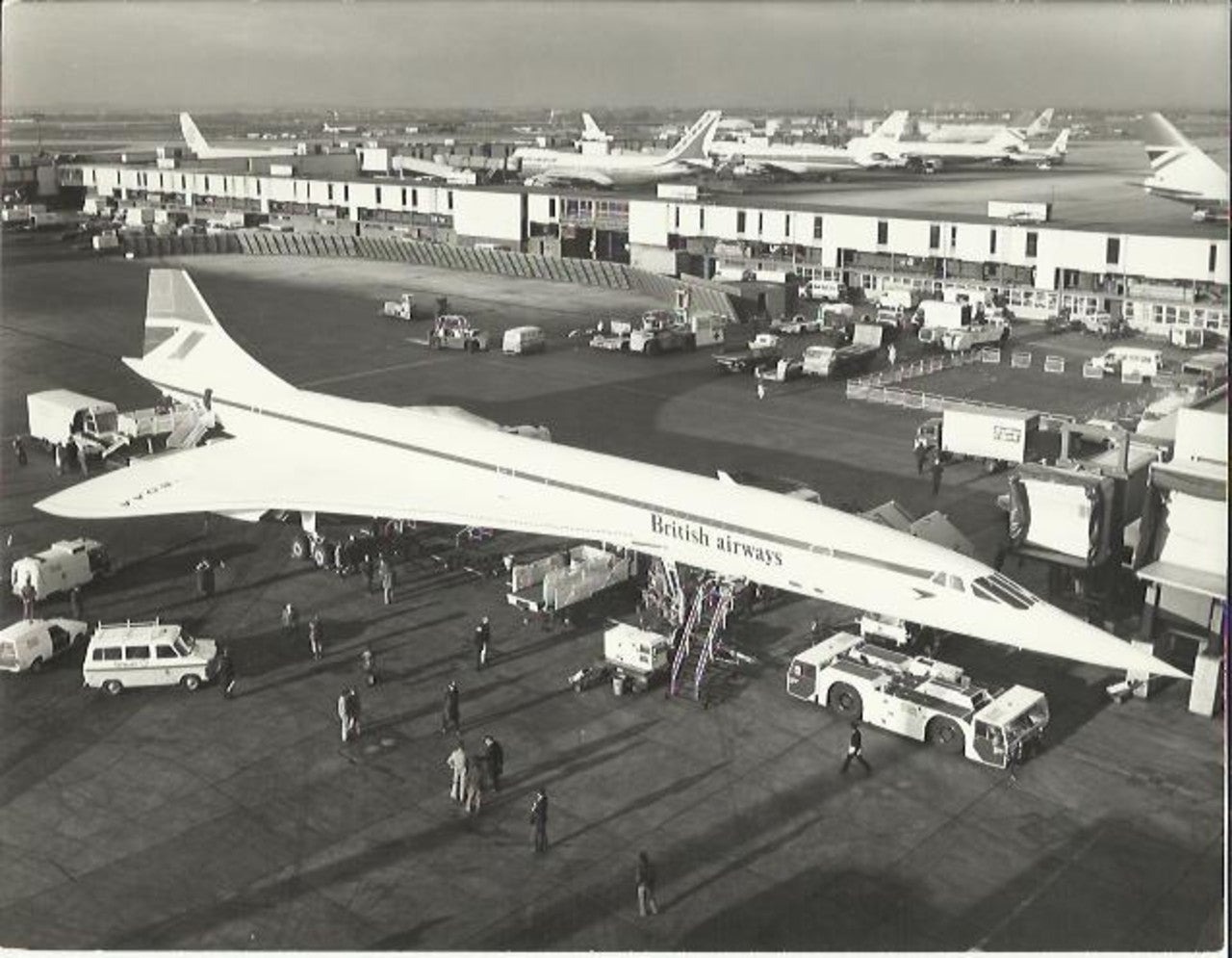
24 May 1976 Concorde flies from Heathrow to Washington DC after permission is granted to land in the US capital. Fares were set at the prevailing first-class price plus 20 per cent.
22 November 1977 Concorde starts flying from Heathrow to New York JFK, which would become its principal route for the next 26 years.
9 December 1977 Flights on British Airways in association with Singapore Airlines begin from London Heathrow via Bahrain to Singapore.
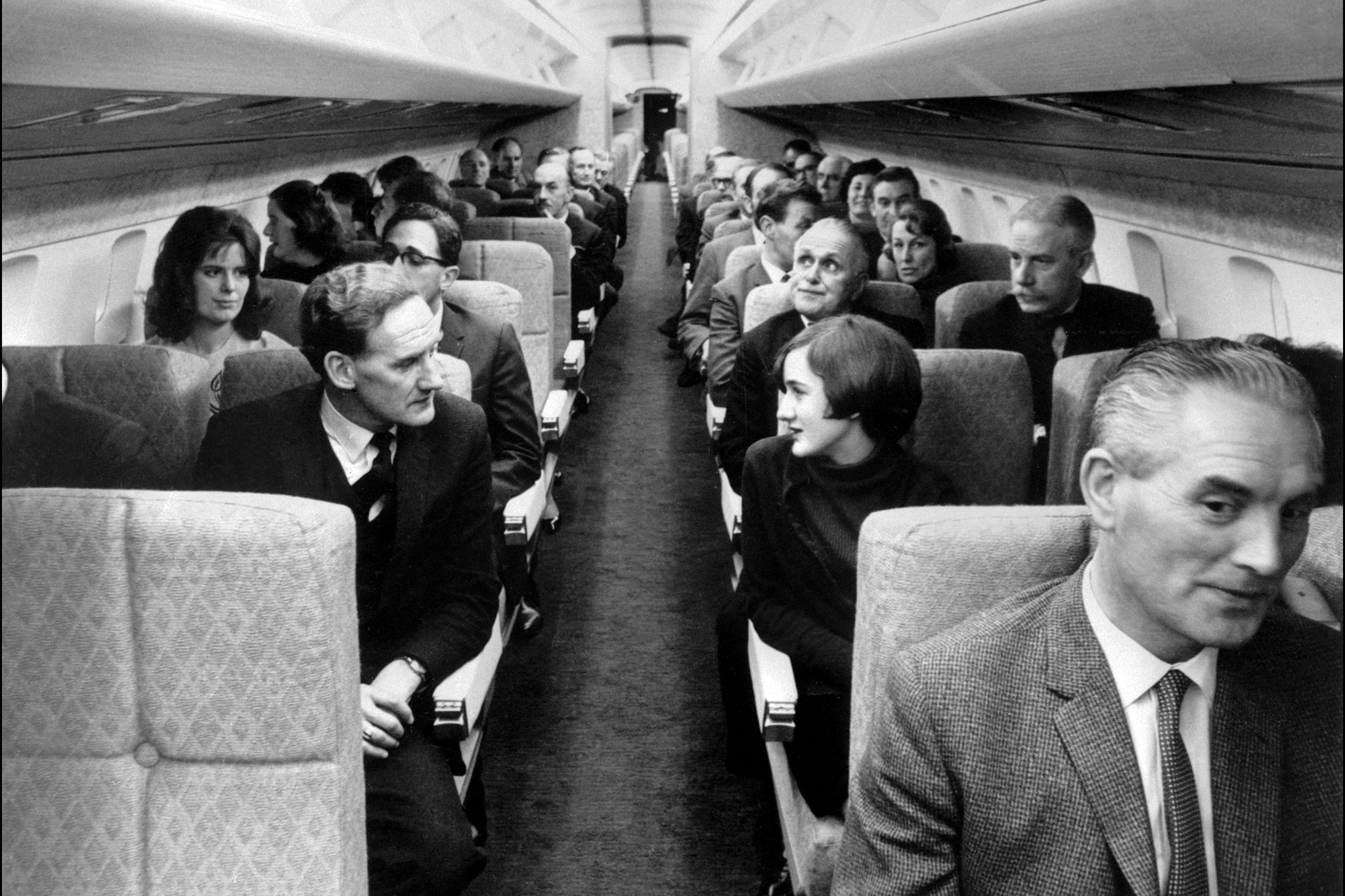
15 May 1983 The first Concorde charter, from Heathrow to Nice for the Monaco Grand Prix.
27 March 1984 The British Airways Concorde begins flights to Miami, requiring a stop in Washington DC; the range was insufficient to reach Florida without refuelling.
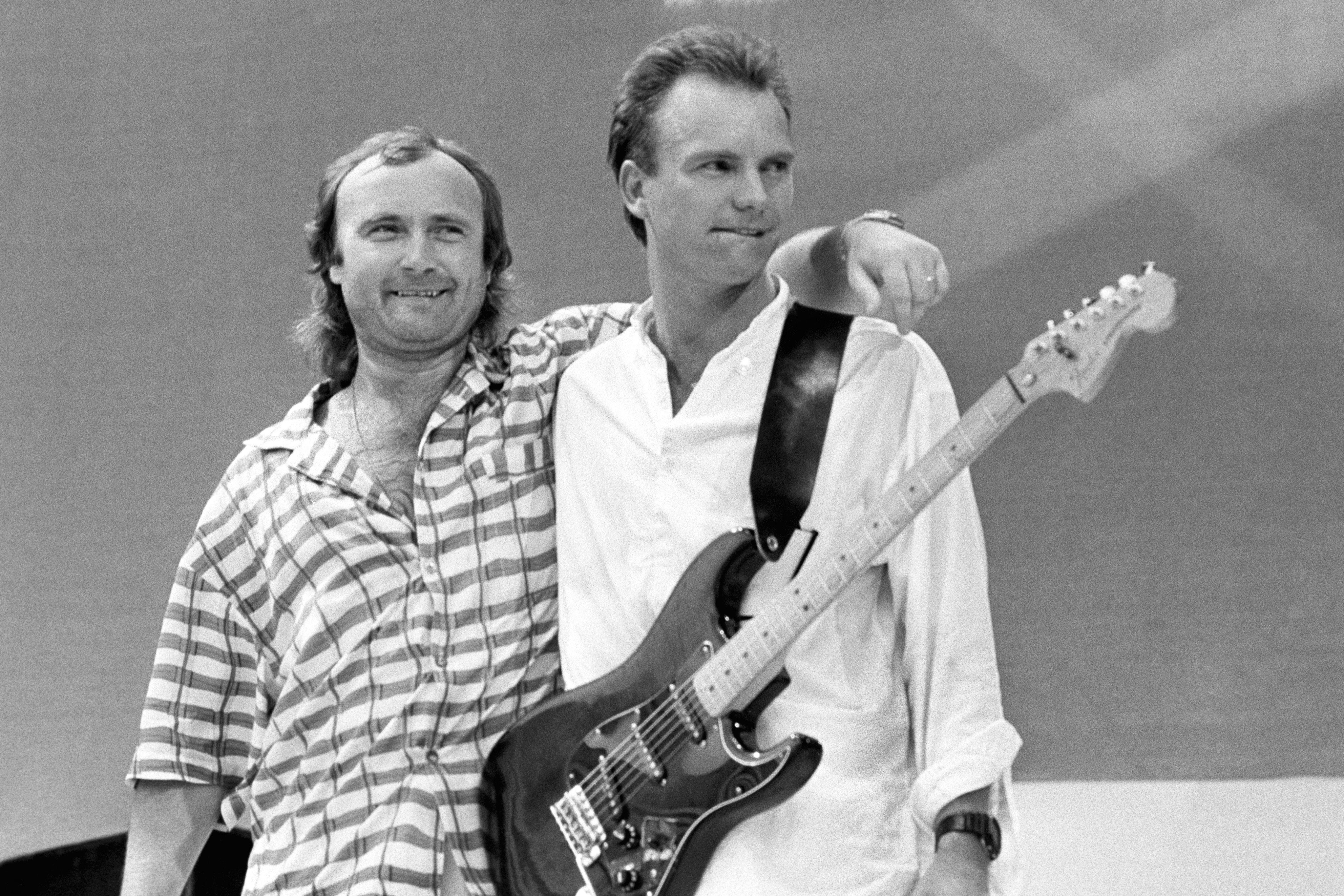
13 July 1985 Phil Collins performs in both Live Aid concerts in London and Philadelphia, courtesy of Concorde.
12 December 1987 Concorde starts flights from Heathrow to Barbados.
7 February 1996 The fastest-ever New York to London flight, with just two hours, 53 minutes between take-off and touchdown.
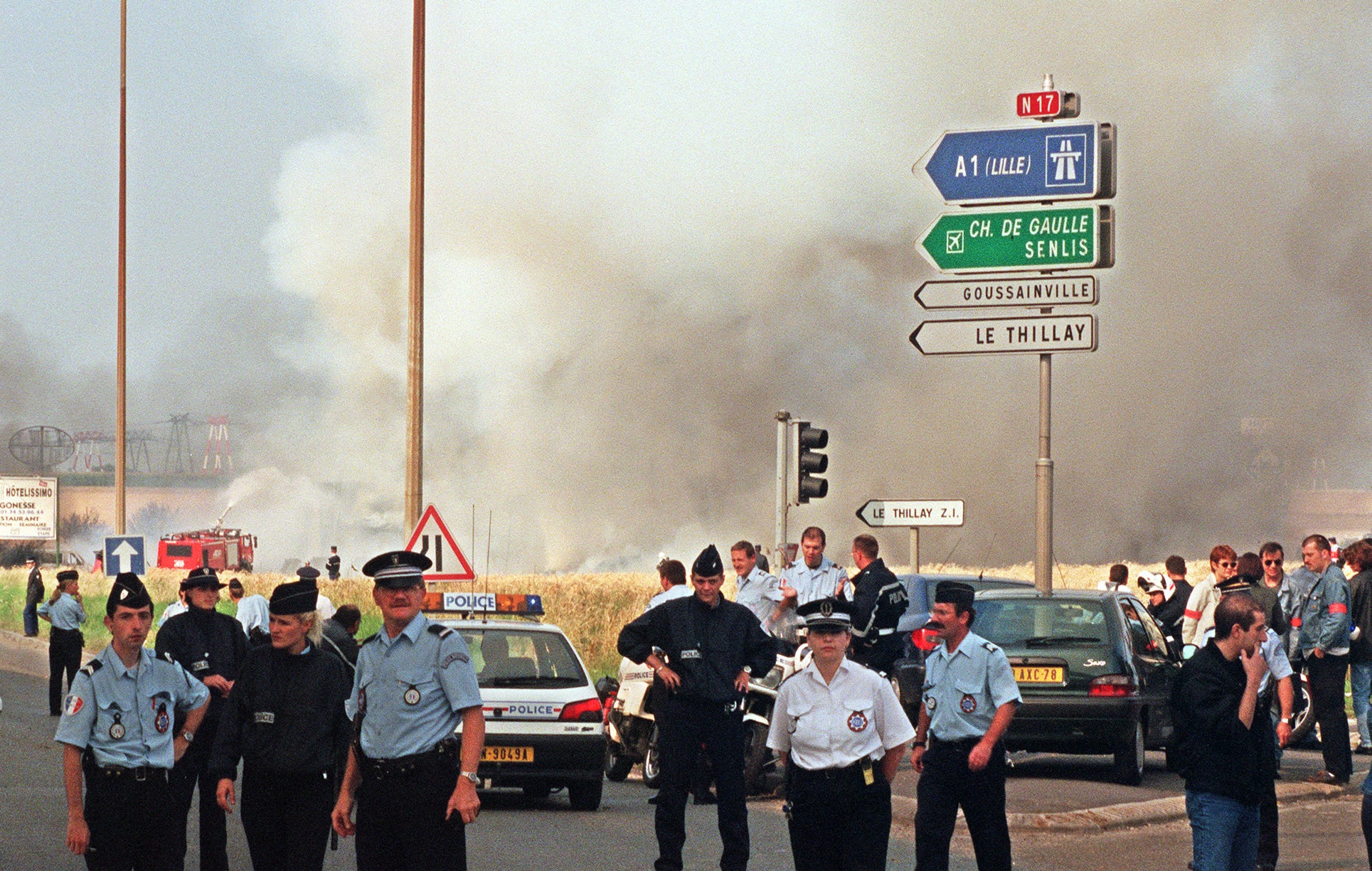
25 July 2000 An Air France Concorde crashes outside Paris. Flight AF4590 was a cruise charter from Paris to New York JFK. While accelerating to take off, a tyre on the plane’s left-hand undercarriage strikes a strip of metal that had fallen five minutes earlier from a departing Continental Airlines DC-10. The tyre exploded, and a chunk of rubber ruptured a fuel tank in the left wing. Fuel spilled and caught fire, making the Concorde unflyable. Despite the efforts of the pilots, it crashed two minutes later.
Of the 113 victims, 100 are passengers, nine are crew and four are staff at the Hotelissimo hotel near Charles de Gaulle airport, where the plane crashes.
Flights on Air France and British Airways are temporarily suspended, but BA soon resumes flights from Heathrow to New York.
15 August 2000 When one contributory cause of the Paris crash emerges – the vulnerability of the fuel tanks – a BA flight departing to New York returns to the gate at Heathrow. Concorde is grounded for over a year.
11 September 2001 The first post-crash proving flight with passengers lands at Heathrow just after the attacks on the World Trade Center have taken place.
10 April 2003 BA and Air France announce the end of Concorde passenger flights. The French carrier had effectively closed its supersonic operation already.
As Rod Eddington, the then-British Airways chief executive, reveals the end to supersonic travel, the flight from New York to Heathrow is carrying just 20 fare-paying passengers.
30 May 2003 Final commercial Air France Concorde flight, from Paris CDG to New York JFK.
24 October 2003 Concorde’s last passenger flight, BA2, operates from New York to Heathrow. It is joined for the final approach by two other British Airways Concordes. “It was always special seeing Concorde going over,” recalls Charlie Stayt, the BBC Breakfast presenter who lives beneath the Heathrow flight path in Twickenham. “It was the only plane we didn’t mind. We took the children out of school to watch the final fly-past in Old Deer Park.”
26 November 2003 The last Concorde flight is from Heathrow to Filton in Bristol, where the UK manufacture of the supersonic jet was based.