New research suggests women with polyendocrine metabolic ovarian syndrome (PMOS) have a four times higher risk of developing heart disease.
PMOS is a complex hormone condition that affects about one in eight women in the UK, impacting hair growth, periods, fertility and mood.
Published in The Lancet Obstetrics, Gynaecology, & Women’s Health, US researchers analysed health insurance data from 2000 to 2022 for 413,450 women with PMOS, aged 18 to 50, comparing them to over two million women without the condition
The study found the PMOS group had a fourfold higher risk of heart disease compared to those without PMOS.
The risk remained after experts accounted for other risk factors such as high blood pressure and diabetes.
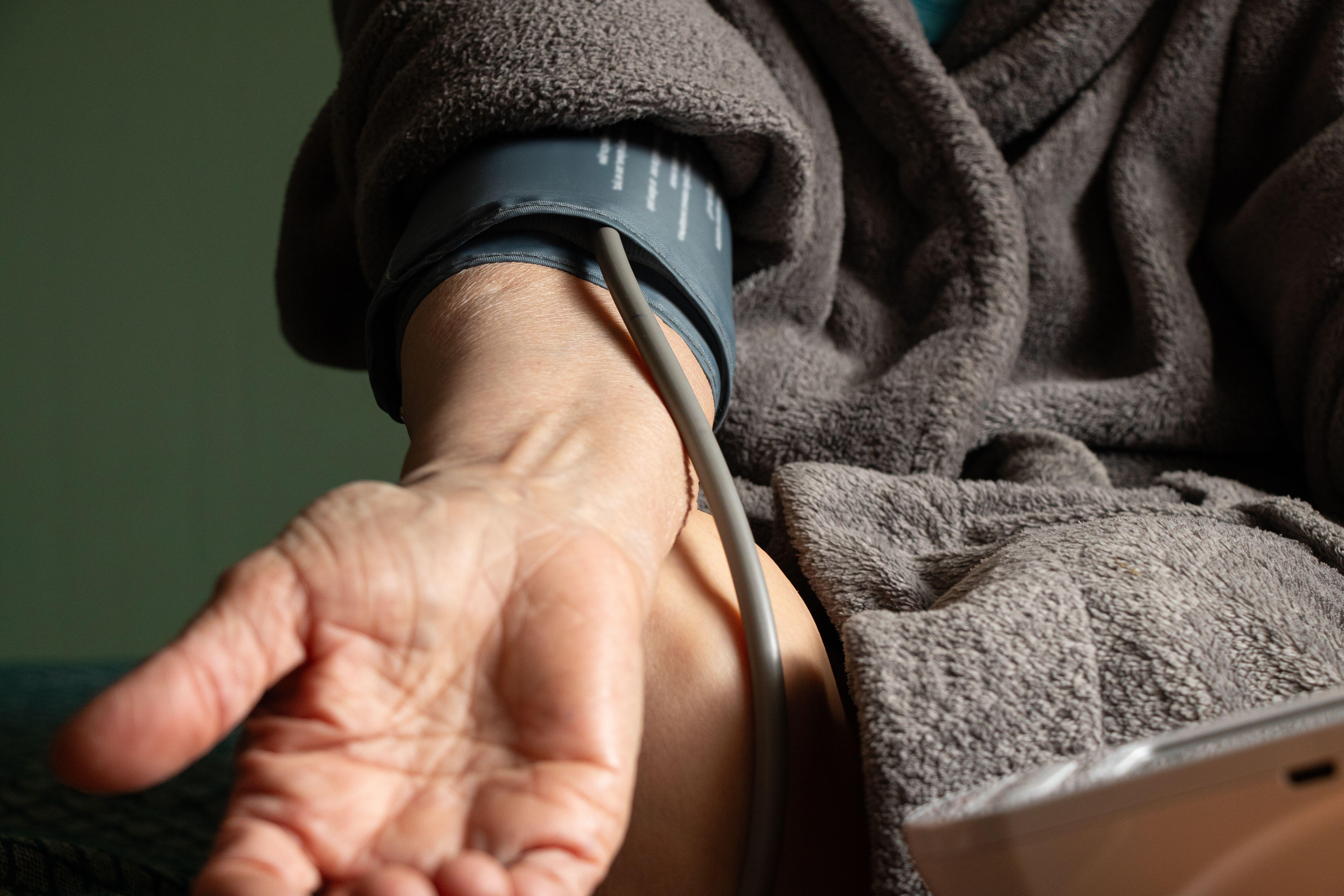
While international PMOS guidelines recommend screening all patients for heart disease risk at diagnosis and giving them advice on lifestyle changes, researchers said patient surveys “report delayed diagnosis and substantial dissatisfaction with counselling regarding long-term comorbidities”.
“Our results emphasise the need for physician education and patient awareness of cardiovascular disease risk to improve implementation of early preventive interventions,” researchers added.
The team also called for further studies to track women through menopause as well as research to explore if treatments such as GLP-1 drugs or hormonal contraception affect the link between PMOS and heart disease.
Symptoms of polyendocrine metabolic ovarian syndrome (PMOS)
NHS
The main symptoms of PMOS include:
- irregular periods or long gaps between your periods
- excessive hair growth (hirsutism) or hair loss
- weight gain or difficulty losing weight
- difficulty getting pregnant
- mental health problems, such as depression or anxiety
- oily skin and acne
- feeling very tired
- thick, dark patches of skin on the neck or armpits (acanthosis nigricans)
Until recently, PMOS was known as polycystic ovarian syndrome (PCOS).
However, experts called for the name change after highlighting that women were facing diagnosis delays due to a misunderstanding about cysts and too much focus on the ovaries.
Earlier this month, the National Institute for Health and Care Excellence (Nice) also said that women with PMOS should be seen by health professionals annually to monitor symptoms and manage long-term risks.
Nice said the condition affects between three and four million women in the UK but is “frequently underdiagnosed and inconsistently managed”.