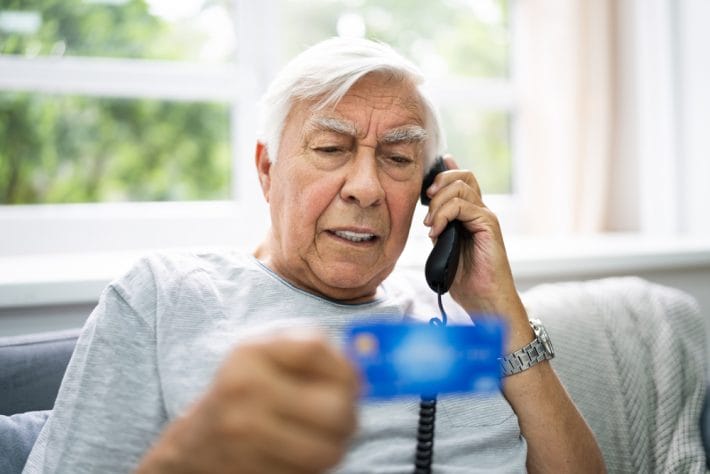
Most of the time, families assume that their biggest fear is their concern over aging parents falling or having a medical emergency. However, more and more families are finding themselves biting their nails over scams. Over 101,000 older adults (age 60 and older) report being scammed each year, with reported national losses soaring to nearly $5 billion.
Fake government agents, grandchild emergencies, romance fraud, and AI voice cloning are continuing to surge. Now, a growing number of integrated smart systems are trying to fight back by automatically detecting scam tactics, alerting family members, and even contacting emergency responders when something dangerous happens. And it could be our best bet at combatting elder fraud.
Modern Scam Protection Systems Can Detect Trouble in Real Time
Traditional scam prevention focused mostly on education and warning seniors not to answer suspicious calls. New AI-powered systems are taking a far more active approach by monitoring conversations in real time for scam tactics such as urgency, threats, gift card demands, fake authority claims, or emotional manipulation.
Companies like OnGuardAI and Protect & Assist now advertise systems that can analyze live calls and send instant alerts when suspicious behavior is detected. Some services can even notify trusted family contacts immediately if a senior appears to be talking with a scammer. For adult children worried about aging parents living alone, that extra layer of oversight may provide valuable peace of mind.
AI Voice Cloning Scams Are Making Fraud Harder to Detect
One reason these systems are gaining attention is that scams are becoming dramatically more sophisticated. Criminals now use artificial intelligence to clone voices, spoof caller IDs, and create convincing “grandparent scam” emergencies that sound frighteningly real.
Researchers studying deepfake scams targeting older adults warn that AI-generated impersonations are becoming increasingly difficult for victims to recognize on their own. A scammer pretending to be a grandchild in distress can pressure a senior into sending thousands of dollars before family members even know a call occurred. Smart monitoring systems aim to interrupt those situations quickly by detecting suspicious phrases or escalating the situation to caregivers automatically.
Some Systems Can Automatically Alert Family Members or 911
Many newer senior safety systems combine fraud detection with broader emergency response features. Devices from companies like SafeGuardian and Community Alert LLC include fall detection, GPS tracking, SOS buttons, caregiver notifications, and direct connections to local 911 dispatchers.
If a senior falls, becomes unresponsive, or presses an emergency button, family members can receive text alerts instantly while emergency services are contacted simultaneously. Some systems also allow caregivers to check device location, conduct wellness calls, or monitor whether loved ones are answering phones normally.
Aging in Place Is Driving Demand for Smarter Safety Systems
Most older Americans strongly prefer remaining in their own homes rather than moving into assisted living facilities. Recent discussions around senior emergency technology show growing interest in systems that support independent living while still allowing families to stay connected remotely.
Unlike older medical alert pendants that only worked during emergencies, many newer platforms provide continuous monitoring for scams, falls, medication reminders, unusual behavior patterns, and caregiver coordination. Some services now work with smartphones, landlines, wearable devices, and even smart home systems without requiring seniors to learn complicated technology.
Privacy and False Alerts Remain Major Concerns
Despite the benefits, smart monitoring systems are not perfect. Continuous monitoring technologies can create concerns about recordings, data collection, and digital surveillance inside the home. Additionally, internet-connected devices may introduce cybersecurity and privacy risks if not properly secured. False alerts, over-monitoring, or systems that become too complicated for seniors with memory issues may also be a concern.
As with anything, it’s important to carefully review privacy policies. Also, make sure you test the systems you have in place before an emergency occurs. And always make an effort to balance safety precautions with personal independence and dignity for your aging loved one. After all, it’s their life.
Are you currently using any kind of system like this to keep yourself safe? Share your recommendations below.
What to Read Next
New Jersey Fraud Alert: The Rise in Check Theft Targeting Stay NJ Payments
Major Health Care Fraud Bust: 8 Medical Professionals Arrested in Hospice Care Scam