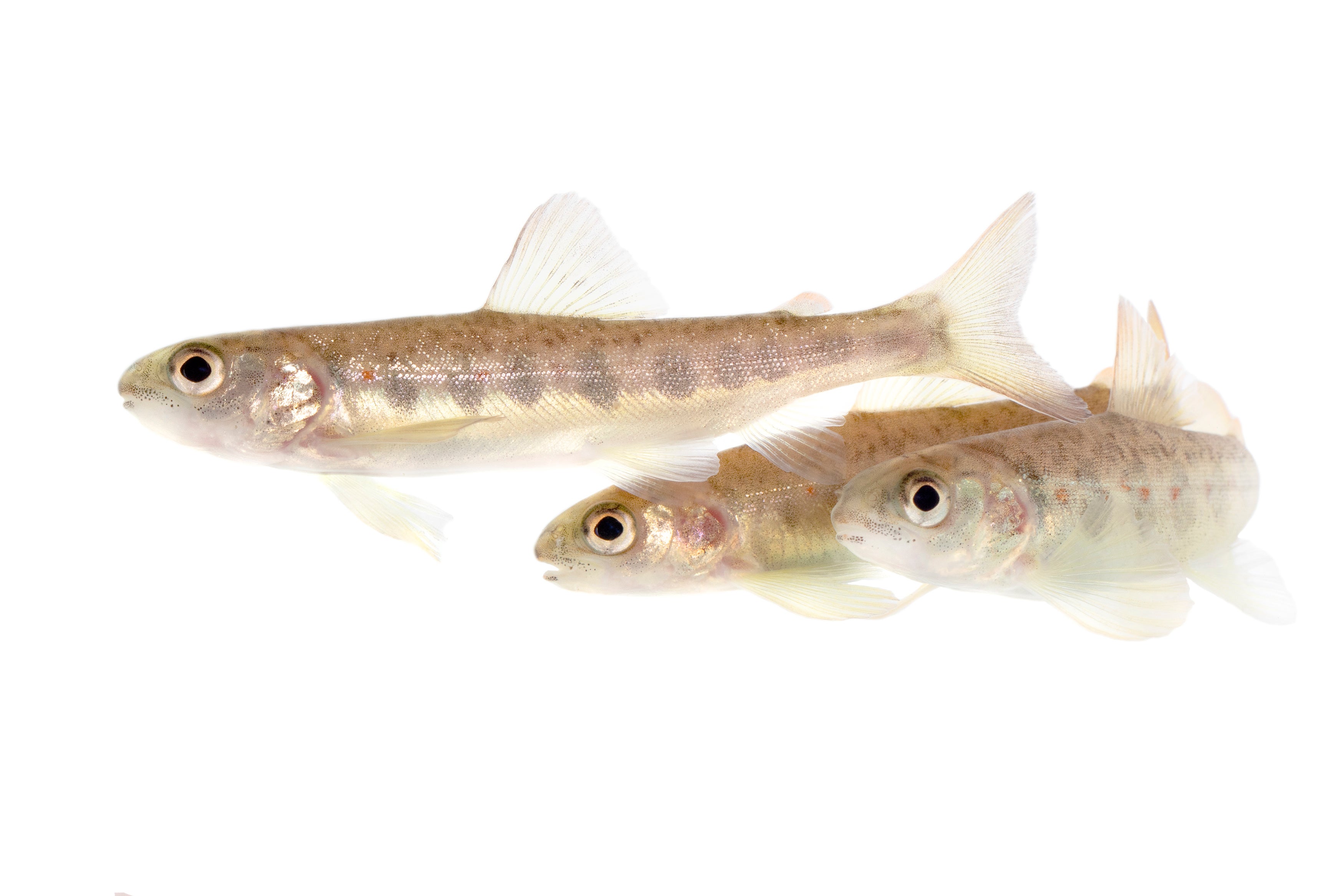
Cocaine pollution is changing how juvenile Atlantic salmon move through their environment, making them swim farther and disperse more widely, a new study finds.
The study is the first to demonstrate the effects of cocaine contamination on fish behaviour in the wild, and can help better understand how chemical pollutants influence aquatic animal migration, according to researchers from Griffith University in Australia.
Cocaine and its metabolites are increasingly appearing in rivers and lakes around the world. They mainly enter waterways through wastewater systems that are not designed to fully remove these compounds.
The latest study tracked over a hundred juvenile Atlantic salmon over eight weeks in Lake Vättern, Sweden, to assess how cocaine affected their behaviour.
Each fish was assigned to one of three treatment groups – exposed to cocaine, exposed to the main derivative of cocaine detected in wastewater, benzoylegonine, and a control group.
Researchers found that the salmon exposed to benzoylecgonine swam about two times farther per week than unexposed fish, and dispersed up to 12.3km farther across the lake.
The changes grew more pronounced over time, indicating that exposure significantly altered how fish used their natural space, a key factor in their survival.
“Where fish go determines what they eat, what eats them, and how populations are structured,” said Marcus Michelangeli, an author of the study published in the journal Cell Press.
“If pollution is changing these patterns, it has the potential to affect ecosystems in ways we are only beginning to understand.”
While previous studies have shown that cocaine affects fish movement, these have been limited to laboratory settings.
The latest study is the first evidence that these effects also occur in the wild, indicating that current approaches may overlook important biological effects.
However, researchers note that the study does not indicate any risk to people consuming fish as the salmon studied were juveniles well below legal-catch size.
“The idea of cocaine affecting fish might seem surprising, but the reality is that wildlife is already being exposed to a wide range of human-derived drugs every day,” Dr Michelangeli said. “The unusual part is not the experiment, it’s what’s already happening in our waterways.”
Researchers hope future studies can help better understand how widespread these effects are and identify which species are most at risk.
They hope to test how the altered salmon movement patterns translate into changes in their survival and reproduction.
Archaeologists stunned to find copy of Homer’s Iliad inside ancient Egyptian mummy
NASA’s moon landing could face major delay if this critical equipment isn’t ready
The daily habit that can protect you from pneumonia in hospital
The underappreciated organ that could be key to longer life
How one simple menu tweak can cut calories and carbon emissions
Here’s what a shot day looks like before firing one of America’s most powerful lasers