Thailand's Manufacturing Production Index (MPI) decreased by 0.8% year-on-year to 101.18 points in May, due mainly to a slowdown in the domestic automotive sector, said the Office of Industrial Economics (OIE).
However, the index increased from 92.76 points in April, when global conflicts and domestic challenges weighed on industrial activity.
"Car manufacturing fell by 8.6% year-on-year as sales in domestic and export markets slowed down," said Supakit Boonsiri, director-general of the OIE.
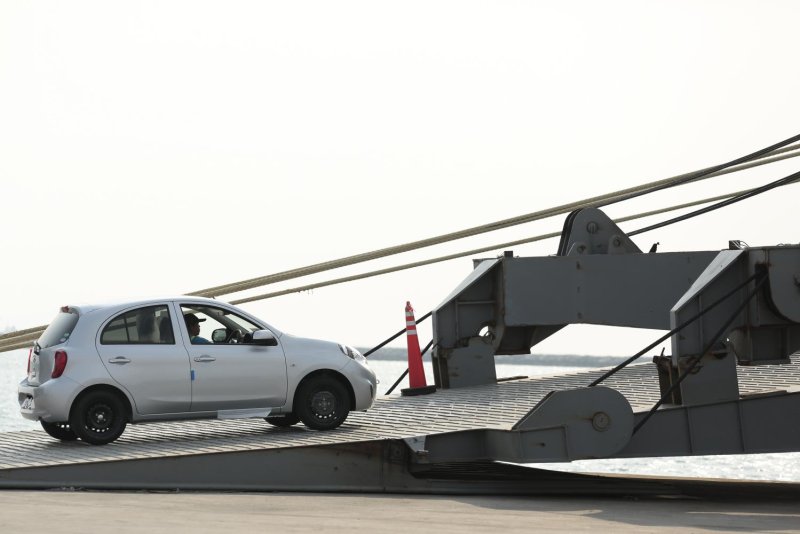
Domestically, banks and car financing companies continued to tighten lending criteria, making it difficult for prospective buyers to get auto loans, while car exports bore the brunt of the closure of the Strait of Hormuz during the US-Israeli war with Iran, he said.
The Federation of Thai Industries' Automotive Industry Club earlier reported that May 2026 marked the first time Thailand's export-oriented car production had fallen below domestic output.
Exports to the Middle East fell sharply, dropping 66.1% year-on-year in May to 59,434 units, the club said.
The Middle East conflicts continued to put pressure on production costs in the manufacturing sector, Mr Supakit said.
He also attributed the drop in May MPI to an increase in the cost of living, which affected consumers' purchasing power.
The OIE is positive about the government's "Thai Chuay Thai Plus" co-payment scheme, which is expected to help drive GDP in the industrial sector.
The scheme adjusted its co-payment structure from 50:50 to 60:40, and eligible participants receive 1,000 baht per month for four months starting in June.
Funding is expected to come from a budget reallocation bill using unused funds from fiscal 2026, estimated at 80–100 billion baht.
Other industries that affected the MPI in May included palm oil production, which fell by 31.1% year-on-year due to a decline in palm output.
Chemical fertiliser manufacturing also decreased by 23.6% year-on-year because of the impact of the Mideast war on raw materials.
In May, machinery production increased by 20% year-on-year, driven by higher demand for air conditioners amid hot weather, according to the OIE.