Record-breaking heat in Siberia during the first half of this year would have been almost impossible without the influence of human-induced climate change, according to a new study.
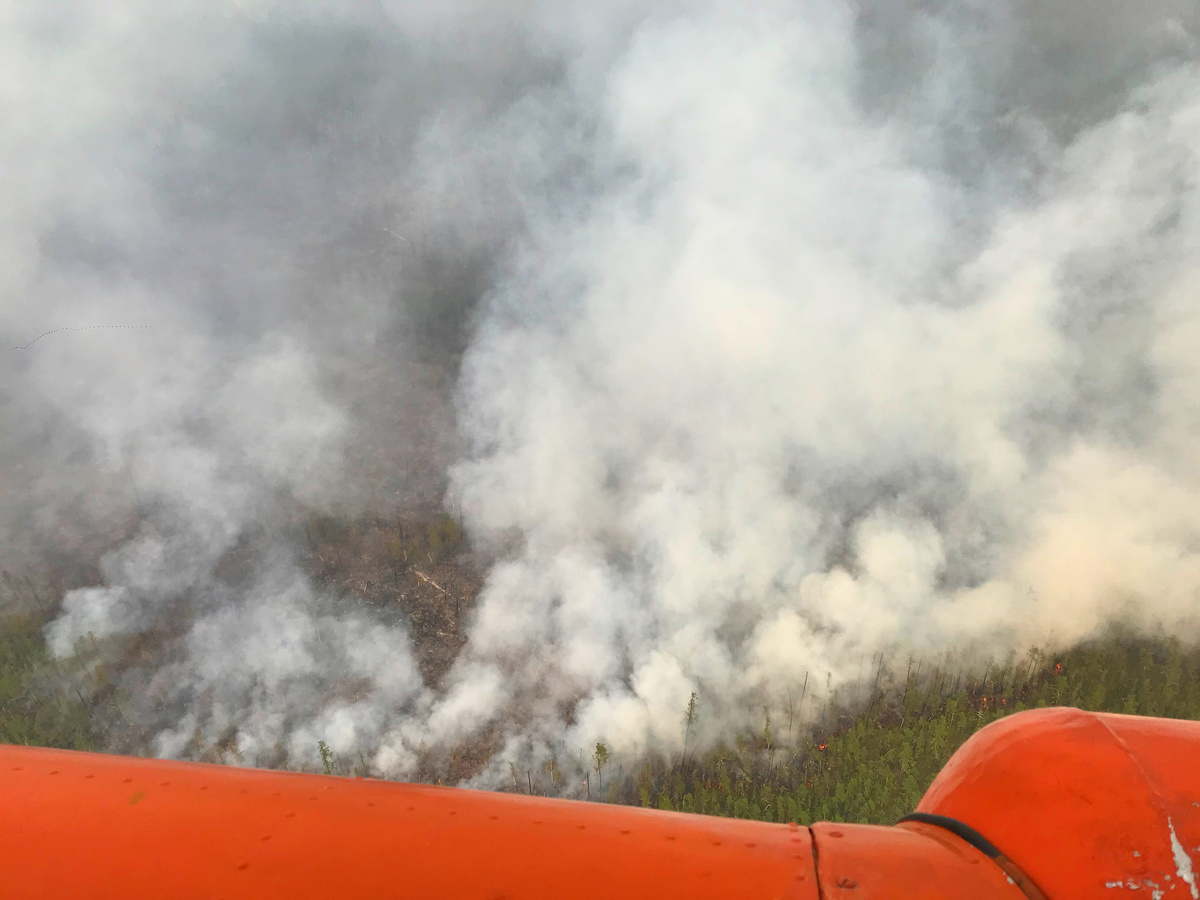
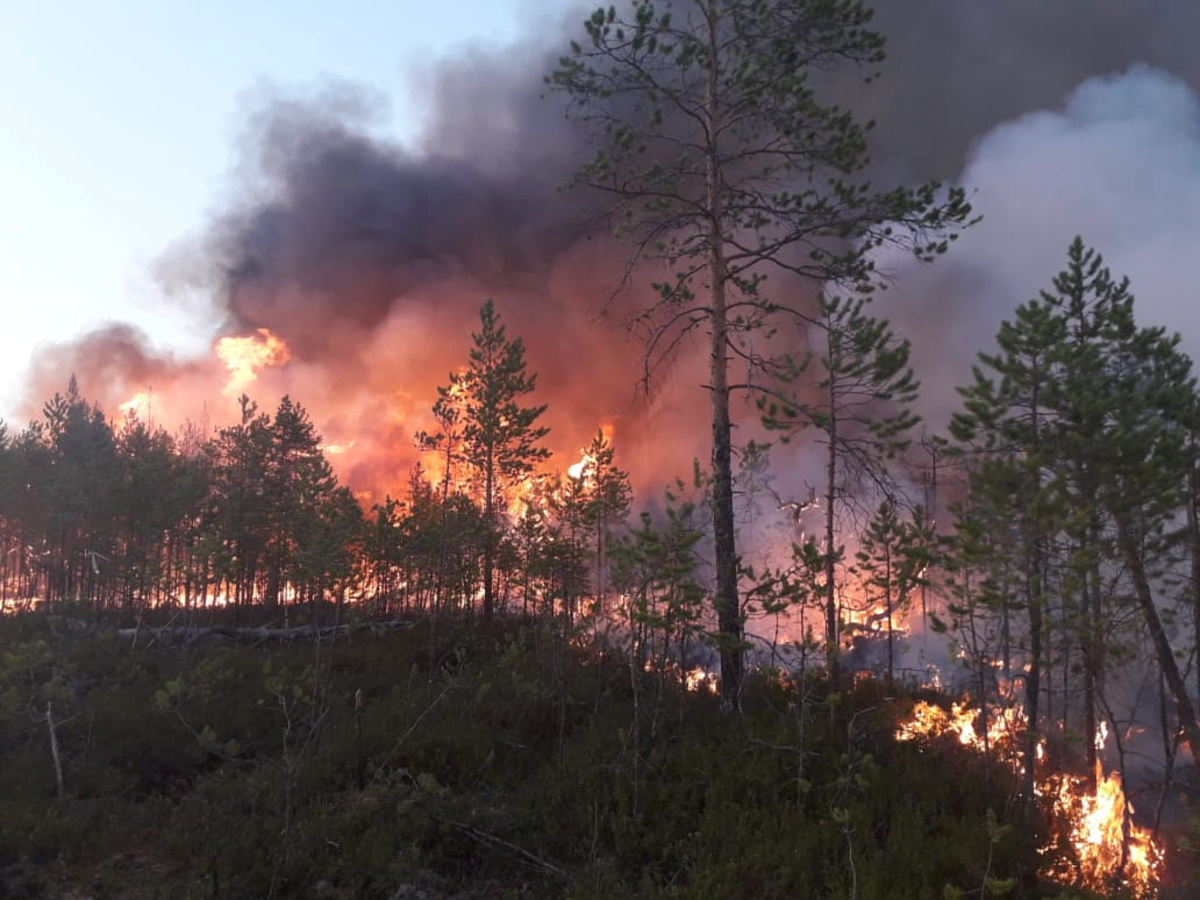
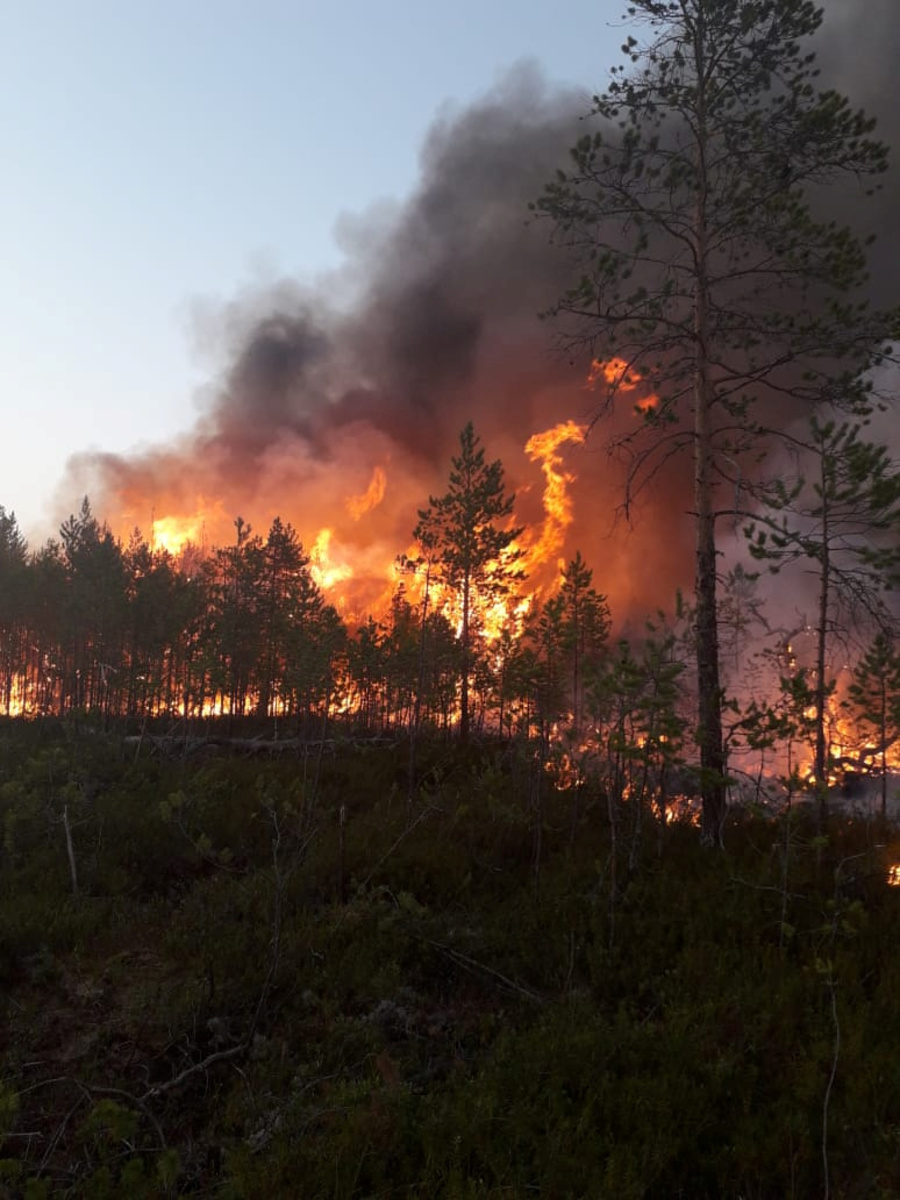
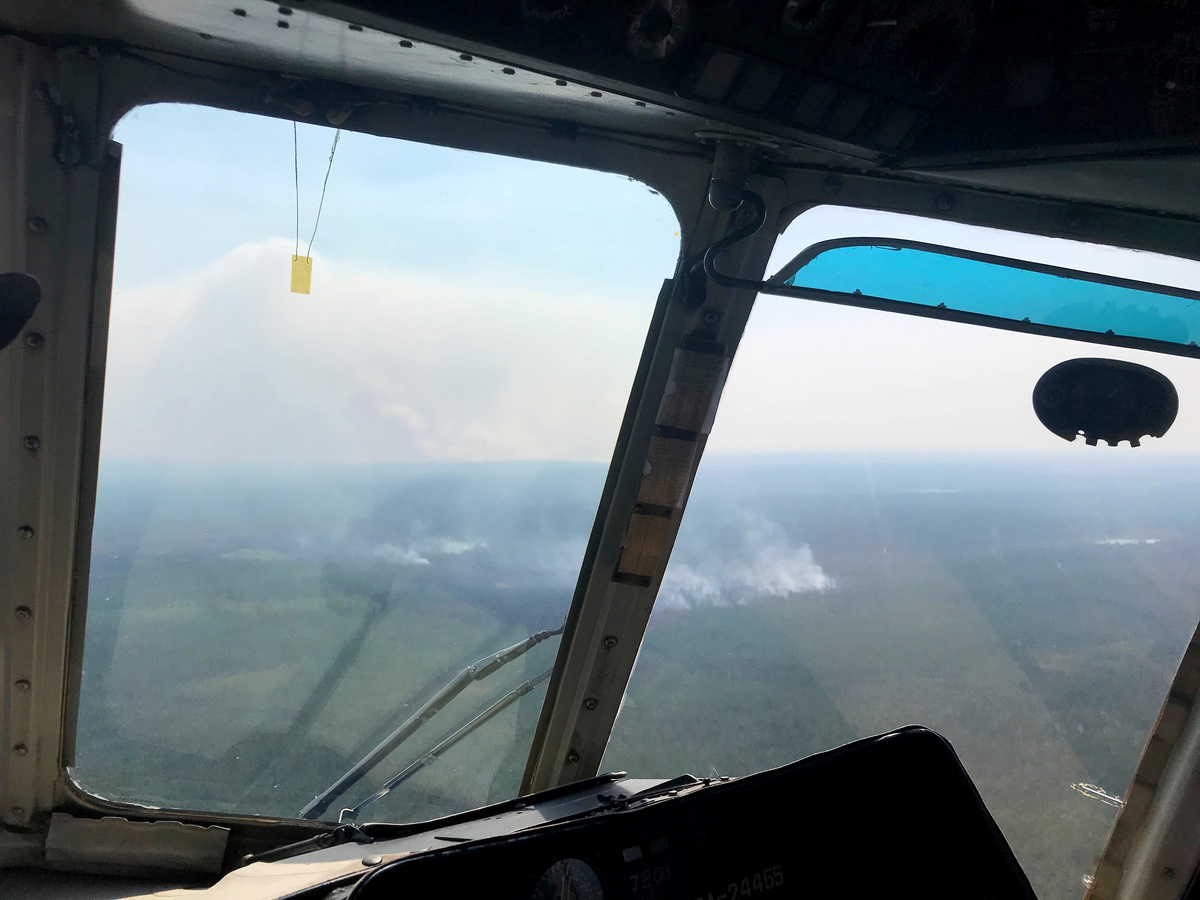
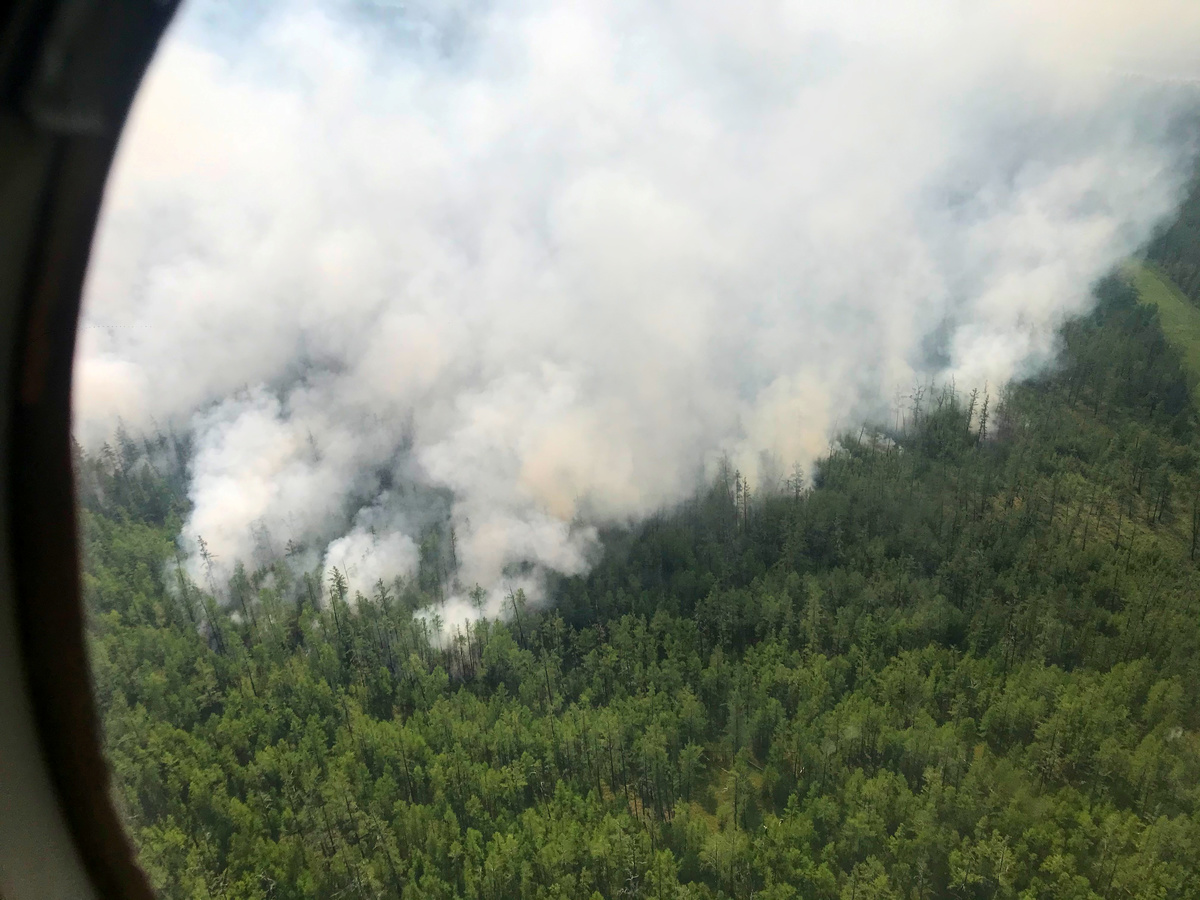
The high temperatures over northern Russia have fuelled massive wildfires, set normally moist peat bogs ablaze and thawed permafrost, adding to worry over the potential impact on the global climate of rapid shifts in the Arctic.
The heat would have occurred only once every 80,000 years if greenhouse gas emissions had not made the Earth's climate 1 degree Celsius warmer since preindustrial times, according to modelling by an international team of scientists.
"The findings of this rapid research – that climate change increased the chances of the prolonged heat in Siberia by at least 600 times – are truly staggering," said Andrew Ciavarella, the lead author of the research and senior scientist at Britain's Met Office.
A new record temperature for the Arctic, 38C (100.4°F), was recorded in the town of Verkhoyansk on June 20, while Siberia's overall temperatures were more than 5C above average from January to June.
In May, an oil tank built on frozen soil collapsed, leading to one of the worst oil spills in the region.
The heat has triggered widespread fires, with 1.15 million hectares burning in late June, releasing about 56 million tonnes of carbon dioxide - more than the annual emissions of countries such as Switzerland and Norway, the researchers said.
"We are continuing to study how the wildfires that have burned over thousands of hectares might also affect the climate as the flames pump smoke and ash into the atmosphere," said study co-author Olga Zolina of the P. P. Shirshov Institute of Oceanology at the Russian Academy of Science in Moscow.
Even in the current climate, the heat seen in Siberia would only be expected to occur less than once every 130 years, the researchers said. But they warned such events could become commonplace in Siberia by 2100 without rapid cuts in emissions.
(Reporting by Matthew Green; Editing by Peter Graff)