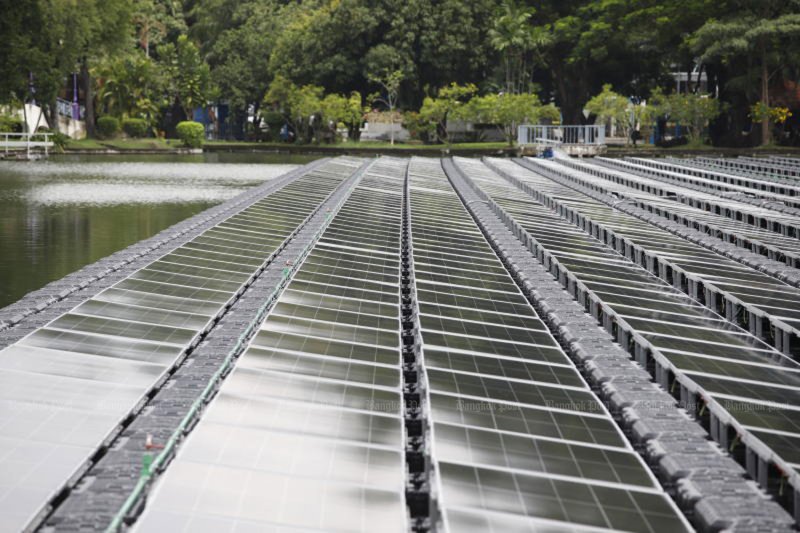
Energy authorities are preparing to unveil a new power development plan (PDP) designed to increase clean energy and meet surging electricity demand, particularly from rapidly expanding data centres.
The plan, scheduled to run from 2026 to 2050, is expected to serve as the roadmap for electricity supply and guide efforts towards achieving a net-zero target by 2050, which is a balance between greenhouse gas emissions and absorption.
Energy Minister Akanat Promphan said the PDP sets an ambitious target: 60% of electricity is to come from clean energy sources. Of this amount, 50% is renewable energy, while 10% is generated from advanced clean technologies, including small modular reactors (SMRs).
According to the International Atomic Energy Agency, SMRs are nuclear power units with a capacity of up to 300 megawatts, roughly one-third the size of traditional reactors.
The 2024 PDP aimed for 51% renewable energy by 2037, but it was scrapped amid criticism and political changes. The new plan emphasises solar power and technologies that reduce reliance on imported fuels, said Mr Akanat.
One such technology is battery energy storage systems (BESS), which store solar energy. Falling BESS costs make renewable power increasingly competitive with electricity from liquefied natural gas imports.
Wattanapong Kurovat, director-general of the Energy Policy and Planning Office, said the plan assumes annual GDP growth of 2-2.5% over 24 years, with electricity tariffs of 4 baht per kilowatt-hour.
The Electricity Generating Authority of Thailand (Egat) is to remain the country's main supplier, with at least a 30% share of power generation.
Egat is expected to spearhead SMR development, though the process -- particularly building public acceptance -- could take up to a decade, said Mr Wattanapong.
Authorities also plan to introduce demand response management, encouraging households and businesses to cut consumption during peak hours in exchange for bill discounts, he said. This approach aims to reduce the need for constant construction of new power plants.
Industry leaders are also urging the government to incorporate smart grid technology into the PDP.
Nopadej Karnakuta, chairman of the Power Producer Industry Club under the Federation of Thai Industries, said smart grids would improve electricity distribution and support Thailand's growing digital industries.
Although expensive, smart grids can anticipate fluctuations in renewable energy from solar and wind sources, while also drawing significant private investment, he said.
The PDP is slated to be finalised by the end of this month, after which it is sent to the Energy Policy Administration Committee for approval in July and a public hearing in August.