Chopin met the novelist Amantine-Lucile-Aurore Dupin, much better known by her pen name of George Sand, in 1836. The couple were to spend 10 rather turbulent years together, living first in Majorca, and then dividing their time between winters in Paris and summers at Sand’s country estate at Nohant in central France, where she cared for the composer as the effects of his tuberculosis (or, as has recently been suggested, cystic fibrosis) became steadily worse. Chopin composed some of his greatest music at Nohant, including the last two piano sonatas, the Op 49 Fantaisie and two each of the scherzos and the ballades. The summer of 1846 was the last that he spent in Nohant – the couple separated the following year, and Chopin died in 1849 – but it did produce the Cello Sonata, which was not only his final large-scale composition but the most substantial of his works apart from the two piano concertos, and some of the most original and adventurous of the late piano miniatures.
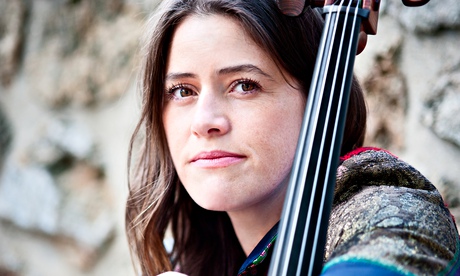
The sonata, the last of Chopin’s works to be published in his lifetime, is the centrepiece of cellist Emmanuelle Bertrand and pianist Pascal Amoyel’s exploration of the music of that summer. Their performance manages to fashion a perfectly lucid path through the musical thickets of the sonata’s first movement, which can sometimes seem too overloaded with invention. If the other three movements are more straightforward, the two players never forget that this is a work for musical equals, and the give and take between them is exemplary.
The rest of the disc is devoted to solo piano pieces, and in the most part Amoyel’s playing of those is equally perceptive. My only reservation comes with his performance of the Op 60 Barcarolle, which opens the disc and begins as fluently as everything that follows, but which then gets pushed to a rather forced and clattery climax. That’s a minor quibble, though, alongside the straightforward charm of his accounts of the three waltzes of Op 64 and of the four mazurkas from that period – the three that make up Op 63 and the fourth of the Op 67 set – and especially the otherworldly magic of the two nocturnes Op 62, with their effortlessly sustained melodies and unexpected harmonic side-slips. It’s a lovely anthology, beautifully thought out and always executed with perceptive care.