The government and Crown Prosecution Service (CPS) have been condemned for “systematic failures” that led to the collapse of the China spy trial.
An extraordinary row erupted after the case fell apart in September, with prosecutors and government officials seeking to blame each other after two men accused of spying for Beijing walked free, prompting accusations of a “cover-up”.
Ministers and civil servants have now each received a portion of the blame in a damning report by the Joint Committee on the National Security Strategy (JCNSS), but were cleared of being involved in a conspiracy to appease China.
However, the committee cautioned against dismissing the case as a “one-off” caused by outdated espionage laws, warning that parallels in new legislation must be handled carefully to prevent a similar issue happening again.
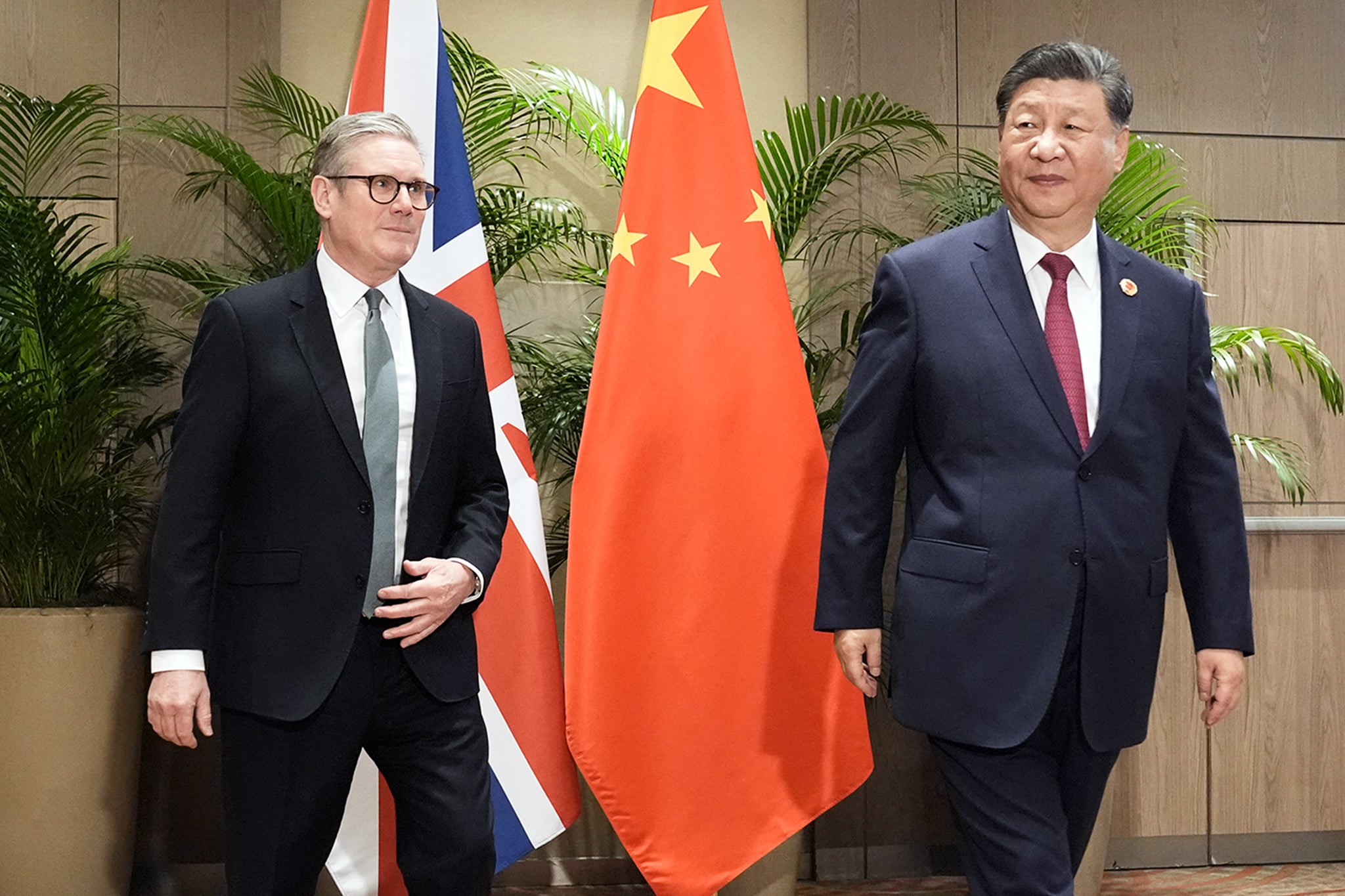
The report comes just 24 hours after Sir Keir Starmer branded China a national security threat in a Mansion House speech on foreign policy, but insisted that his government still needs to work with Beijing.
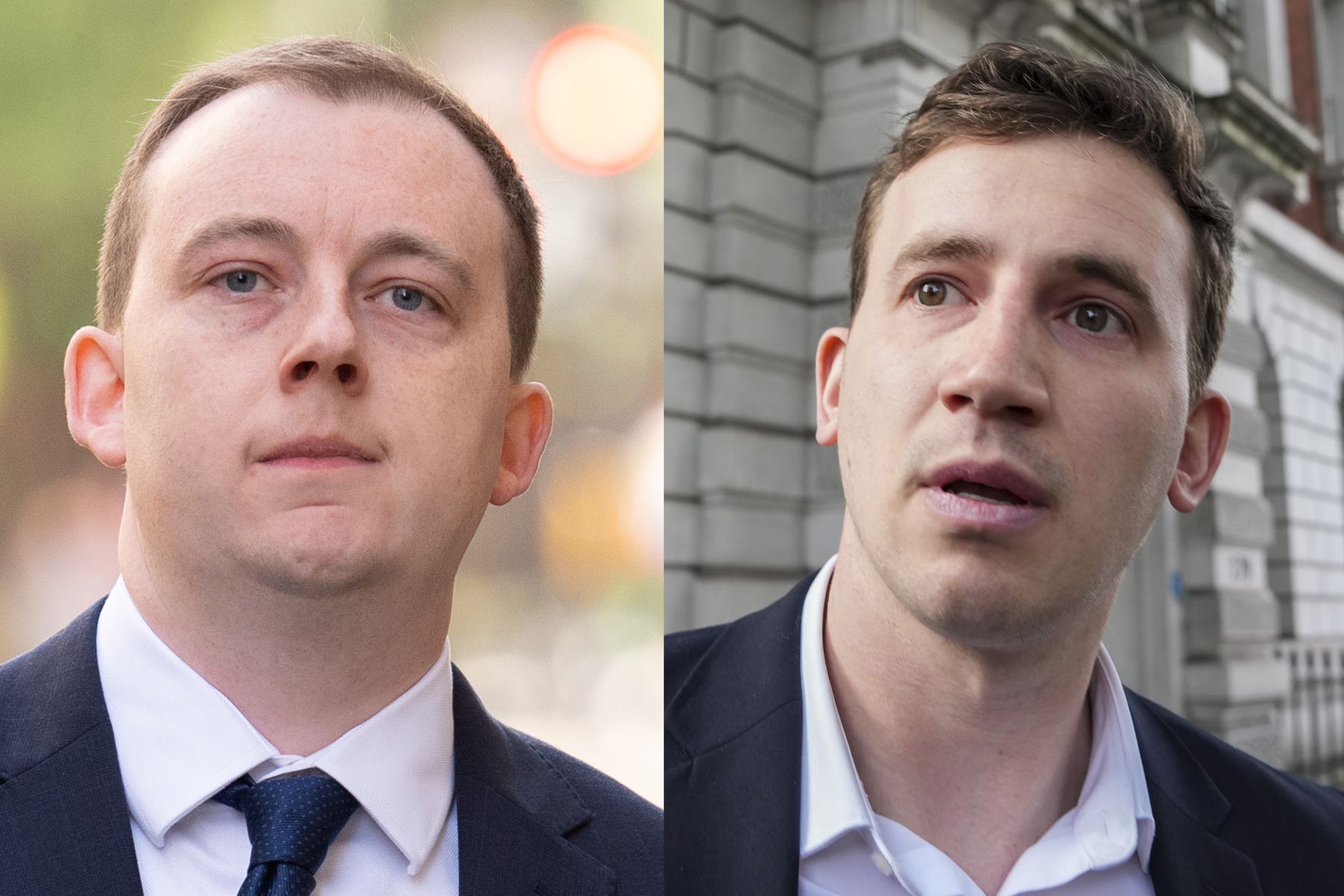
The charges were dropped against former parliamentary researcher Christopher Cash and Christopher Berry when the CPS said it could not get evidence from the government referring to China as a national security threat. Both men deny passing secrets to Beijing between 2021 and 2023.
The JCNSS, which launched a highly unusual investigation into the collapsed case following the controversy, said in its report on Wednesday: “We appreciate that the sequence of some events has raised eyebrows.
“We did not find evidence of a coordinated high-level effort to bring about the collapse of the prosecution.
“Nor did we find evidence of deliberate efforts to obstruct the prosecution, circumvent constitutional safeguards or frustrate our inquiry.”
The cross-party group of MPs and peers added: “Overall, it is clear that there were serious systemic failures and deficiencies in communications, coordination and decision-making.
“The Crown Prosecution Service could have surfaced or escalated issues over misaligned expectations much earlier. The government team likewise did not have sufficiently clear processes for escalating issues where there was a lack of clarity.”
Attention had focused on a statement by deputy national security adviser (DNSA) Matt Collins, with prosecutors saying his refusal to describe Beijing as a “threat” to national security meant the case could not continue.
Mr Collins told the JCNSS he had provided evidence of a “range of threats” posed by China, but had not described the country as a “generic” threat because that was not the position of the Tory government.
The committee acknowledged the CPS’s assertion that it would have undermined the case at trial if Mr Collins, the central expert prosecution witness, refused to describe China as an active threat.
However, it said that taking all his statements together, “in our view it is plain that … these amounted to a more general active threat to the United Kingdom’s national security”.
“We regret that common sense interpretations of the wording provided in the DNSA’s witness statements were apparently not a sufficiently strong basis for meeting the evidential requirements the Crown Prosecution Service considered necessary under the Official Secrets Act 1911,” it said.
The committee said it would not seek to “unpick” the judgments of the government or the CPS, but questioned whether lawyers and officials working on Mr Collins’s witness statements could not have found “an alternative formulation” that was still in line with policy.
It also questioned whether prosecutors had been right to conclude that the legal tests “remained unmet”.
Questions were previously raised over the potential for undue influence on the case after national security adviser Jonathan Powell held a meeting with officials about the case, and about diplomatic relations with Beijing, just two days before the CPS moved to drop charges.
But after taking evidence, the JCNSS said it “did not find evidence of improper influence or deliberate efforts to obstruct the prosecution”.
The government said there was no discussion of evidence at the talks, which were attended by lawyers and covered a “range of scenarios” to “ensure that we managed our diplomatic relations”.
Communications between the government and the CPS were “inadequate”, and there was a “pervasive lack of clarity” about the nature of requests and evidential requirements, the report said.
During the JCNSS’s inquiry, the attorney general, Richard Hermer, sought to blame the collapse of the case on “out-of-date” UK espionage laws, which he said were “not fit for purpose”.
Lord Hermer said the use of the term “enemy” in the Official Secrets Act 1911 threw up difficulties. The term has since been replaced in the National Security Act 2023 with prosecutors instead having to prove that information had been “passed to a foreign power”.
The JCNSS accepted that the “root cause” of the problems with the collapsed case lay in the difficulties with the older law, under which the charges had been brought.
But it rejected any suggestion that the new legislation had solved the problem, pointing out that there may be “diplomatic sensitivities” around labelling people members of a foreign intelligence service.
A CPS spokesperson said: “We recognise the strong interest in this case. We will review the recommendations carefully and work with partners to identify where improvements can be made.
“Our decisions are made independently and based on law and evidence, and that principle remains at the heart of our work.”
A government spokesperson said:“We welcome the committee’s report that makes clear that allegations about interference in this case were baseless and untrue.
“The decision to drop the case was taken independently by the Crown Prosecution Service. We remain disappointed that this case did not reach trial.
“Protecting national security is our first duty and we will never waver from our efforts to keep the British people safe.”