Chile’s government was reconsidering its plan to block BTS's three sold-out stadium concerts after hundreds of fans took to the streets and politicians criticised a decision that had thrown the K-pop group’s October shows into doubt.
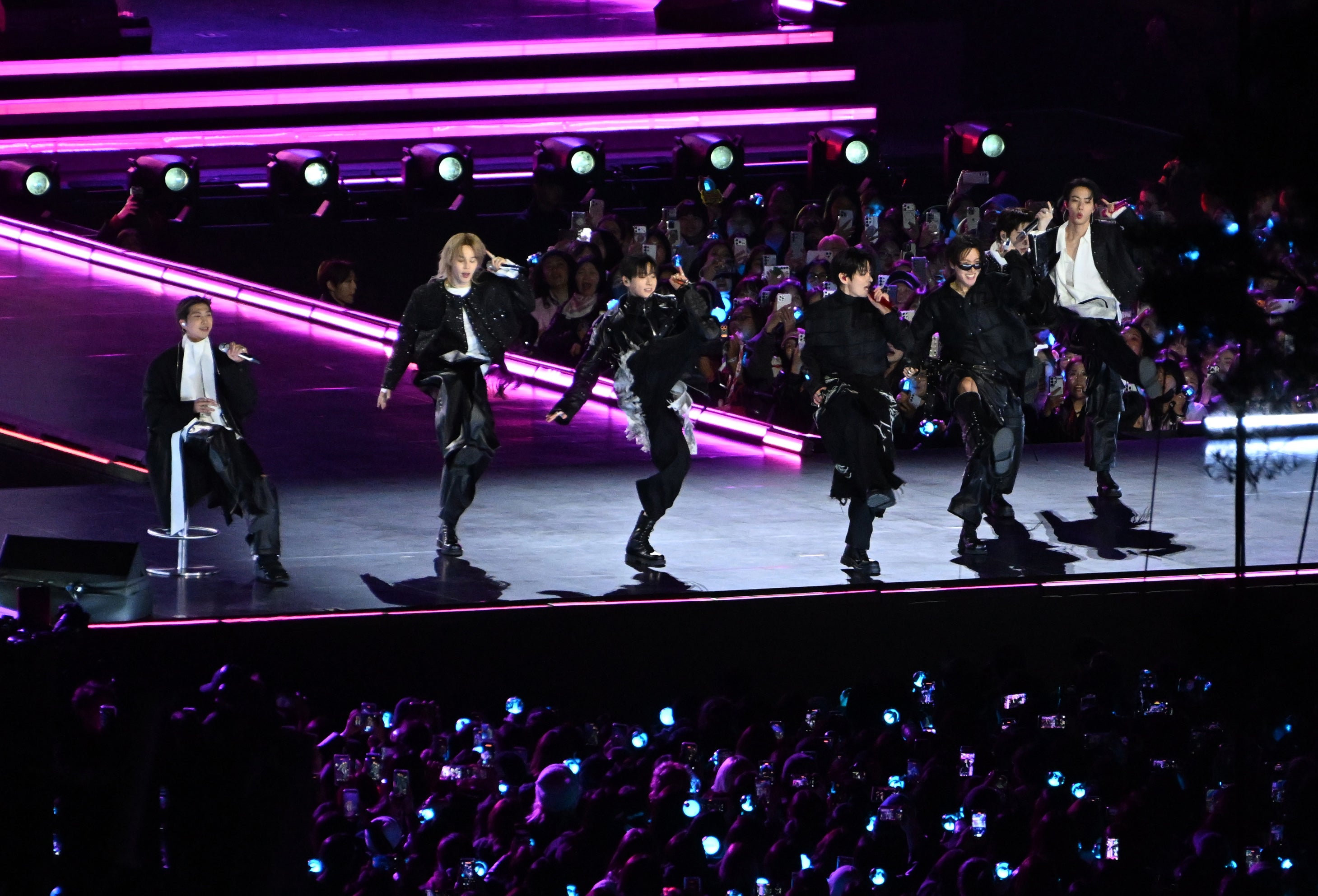
The South Korean group are due to perform at Santiago's Estadio Nacional on 14, 16, and 17 October as part of the Arirang world tour, their first since the members completed their country’s mandatory military service. The band composed of RM, Jin, Suga, J-Hope, Jimin, V, and Jung Kook had been on a hiatus since 2022 and returned in March 2026 with a new album titled Arirang.
Tickets for the three concerts sold out soon after going on sale in April.
According to local newspaper El País, some 48,000 fans were expected to attend each of the concerts.
After initially refusing permission for the shows, Chile’s ministry of sports said on Monday that it was prepared to reconsider after promoter DG Medios submitted a revised technical proposal addressing concerns over the stadium’s playing surface.
The initial decision came last week when the National Sports Institute under the ministry declined to authorise the use of the Estadio Nacional’s central field following what it called a “thorough technical and operational evaluation”.
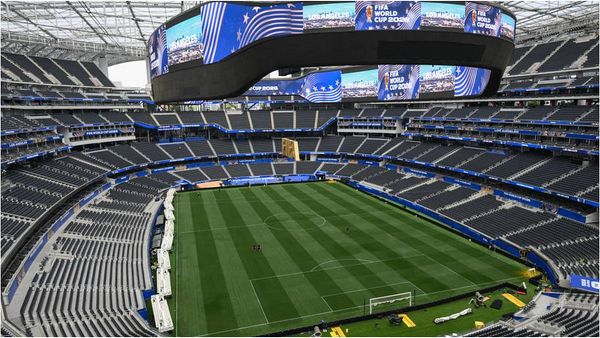
In a statement, the agency said the decision was based “exclusively on technical and continuity criteria”, noting the planned 360-degree stage for the concerts would place prolonged pressure on the hybrid grass pitch and leave insufficient time for it to recover before a packed calendar of sporting and civic events.
The agency further said authorising the concerts risked disrupting an official men’s national football match scheduled for November, professional league fixtures, the 2026 Telethon, in addition to other high-performance sporting and community events.
Like BTS’s other stadium shows on the tour, the production in Santiago was designed around a central stage positioned in the middle of the pitch, requiring extensive installation and dismantling work.
Building and dismantling the stage would require approximately nine days of work on the field, leaving little time for the pitch to recover before other scheduled events.
The agency said its decision did not “constitute a rejection” of holding mass or cultural events at Estadio Nacional, instead offering DG Medios the South Esplanade or Parque Sur as alternative sites, both open-air areas within the stadium complex capable of hosting large events without using the pitch.
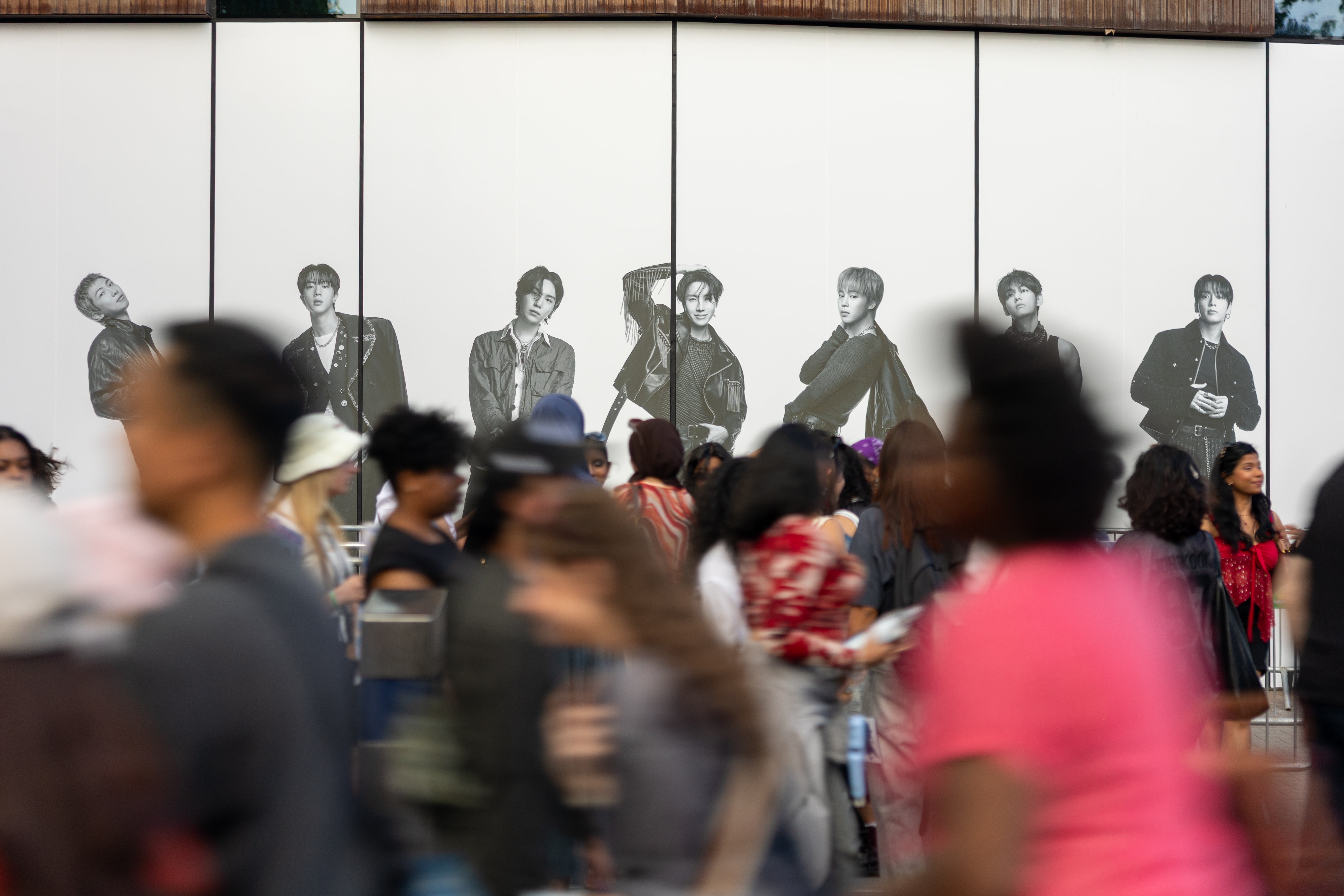
Sports minister Natalia Duco defended the decision, saying the concerts had never received formal approval despite tickets already being sold. Speaking to Chile's 24 Horas programme, she said: “It's impossible to cancel something that was never confirmed. The National Sports Institute never officially confirmed the dates with the decrees that are usually issued in these cases.”
She added that production companies had increasingly begun selling tickets before receiving official authorisation, leaving fans “paying the price” for purchasing tickets to a venue that had not yet been approved.
Deputy interior minister Claudio Alvarado described it as “a technical decision”. “I understand that the National Sports Institute has issued a report indicating that erecting a stage of this nature would mean having the venue closed for an extended period. Damage to the playing field itself could be inflicted, which would be very costly to repair,” he said.
He confirmed that authorities had offered alternative locations within the stadium complex while discussions with organisers continued.
They also received offers from the municipalities of Viña del Mar and Concepción to host the BTS concerts at their stadiums, while football club Colo-Colo offered the Estadio Monumental.
However, according to El País, none of the alternative venues could accommodate the roughly 150,000 spectators expected across the three concerts or provide sufficient space for the 360-degree stage.
The decision triggered protests in Santiago over the weekend. Hundreds of BTS fans marched through the Chilean capital towards La Moneda presidential palace with banners reading “BTS to the National Stadium”. They were dressed in the group’s signature purple.
One protester told Agencia EFE: “The concerts can't be cancelled. They are taking away our chance to see artists whom we love and who have helped us through life.”
INSANE! 🔥🇨🇱
— BTS Charts News (@btschartsxdaily) July 5, 2026
ARMYs from different regions and cities across Chile are holding peaceful march throughout the country 👏
BTS al Nacional! #BTSALNACIONAL #BTSENCHILE #BTSCHILE #QUEREMOSABTSENELNACIONAL pic.twitter.com/klioJVZdJG
Another fan wrote on X: “Countries around the world aggressively compete for global artists like BTS to come to their cities to perform, because they know the economic impact of one concert. Is this money too small for Chile? Instead of pursuing economic opportunities for your people, you fumbled existing ones through sheer incompetence.”
Opposition lawmaker Ignacio Achurra criticised the government over uncertainty surrounding an event for which about 200,000 tickets had been sold, saying it was “truly outrageous” that fans, including those travelling from abroad, were only learning months later that the concerts might not go ahead.
As criticism mounted, the sports ministry announced on Monday that DG Medios had submitted a new technical proposal that substantially altered the basis of the government's earlier assessment.
In an official statement posted on X, the ministry wrote in Spanish that the changes to the stage’s “weight, load distribution, grass protection and construction solution” meant the National Sports Institute was now willing to reconsider authorising the concerts at the National Stadium’s Central Coliseum.
THE WAY ARMYS IN CHILE ARE PEACEFULLY PROTESTING BC THE SPORTS ASSOCIATION OF THERE IS TRYING TO CANCEL BTS CONCERTS AT 'EL NACIONAL' STADIUM EVEN THO DATES AND TICKET SELLING HAVE BEEN SET FOR MONTHS.. WE STAND WITH U CHILEAN ARMYS✊️ pic.twitter.com/n2NB0ni7yp
— Carolyne🌱⁷⁼¹ SAW BTS (@mhereonlyforbts) July 5, 2026
The ministry, however, said any approval would depend on the promoter submitting further technical documentation on the stage's structural loads, grass protection measures, installation and dismantling procedures, and a mitigation plan for the pitch. It said compliance with those requirements, along with a formal undertaking from DG Medios, would be an “indispensable condition” for the BTS concerts to go ahead.
The ministry said it was committed “to the protection of the country's main sporting venue and to Chile's ability to host world-class events”, adding that the objectives could be achieved if “the legal requirements and measures to safeguard the infrastructure are respected”.
It would tighten the rules governing major events, including introducing fines for promoters found selling tickets before securing the necessary authorisations.
In a statement to The Korea Herald, the band’s label Hybe said it was looking into the situation.
The Independent has reached out to Chile’s sports ministry, Hybe, and DG Medios for comment.
BTS last performed in Chile in 2017, when they played two sold-out shows at Santiago's Movistar Arena during The Wings Tour. The concerts were the fastest-selling in the South American country’s history, with more than 10,000 tickets sold in under two hours, prompting the addition of a second date.