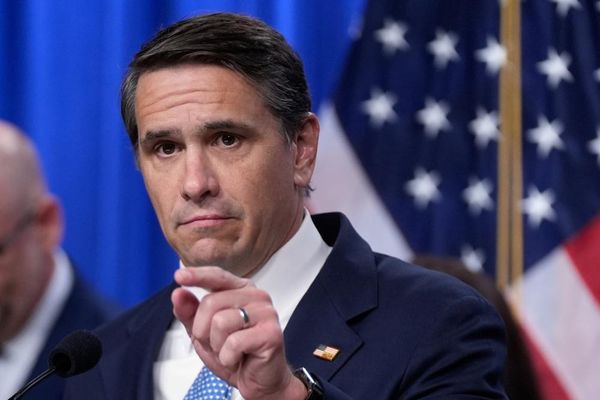
A Chevron executive offered blunt advice to Americans facing steep gas prices as a result of the Iran war - use your car less.
Andy Walz, the president of downstream, midstream and chemicals at Chevron, told CBS News there’s no “silver bullet” to bring U.S. prices down while global markets remain strained, warning that costs could climb even higher if the conflict drags on.
“People should try to drive less. They should try to conserve energy," Walz said. "We should be doing that all the time. Energy's essential for people's lives, but we should conserve it.”
Since the U.S. and Israel launched the war in February, oil prices have skyrocketed, driven largely by Iran’s de facto blockade of the Strait of Hormuz — a vital trade corridor that carries about 20 percent of the world’s oil supply.
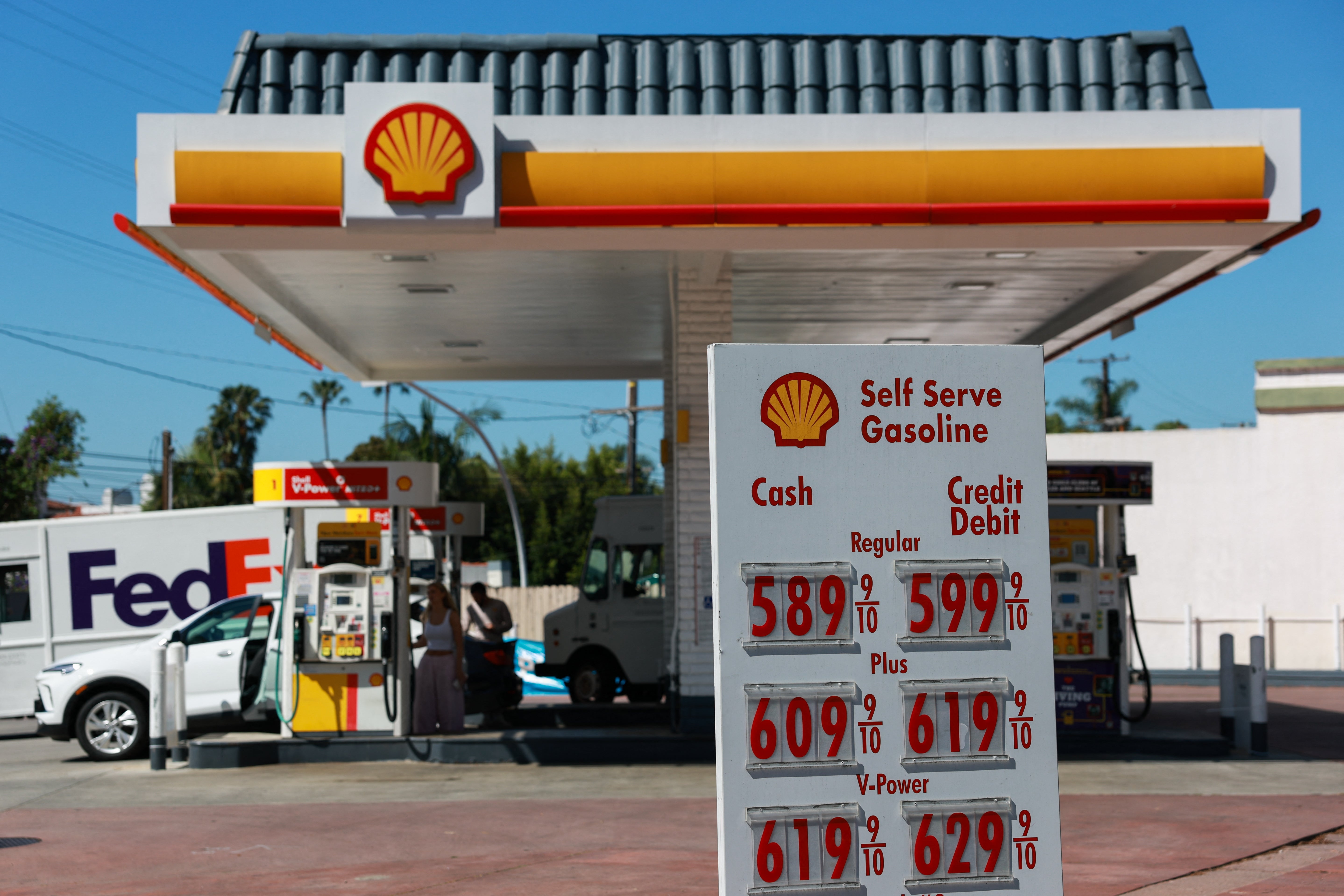
On Wednesday, U.S. crude prices hovered around $95-a-barrel. The average cost of gasoline stood at $4.10 a gallon, up more than $1 from before the war began, according to AAA.
The Trump administration has indicated that prices could stay high for the foreseeable future, as peace negotiations to end the war have yet to yield any breakthroughs. Over the weekend, Trump told Fox News that gas prices could be elevated during the midterm elections — which are still seven months away. On Wednesday, Energy Secretary Chris Wright admitted prices could be high into the summer.
During an interview at Chevron’s Pascagoula Refinery in Mississippi on Tuesday, Walz was asked what guidance he could provide to consumers who are struggling at the pump. CBS News reporter Lilia Luciano noted that some parents are even grappling with “whether to take their kids to school or not.”
“I would encourage everybody to…hang in there and hopefully prices will be coming down soon,” the executive added. “I think this is a reinforcement of the importance of energy. It needs to be affordable and it has to be reliable.”
His advice to drive less may strike the wrong chord with millions of Americans who rely on cars for their daily lives, including for commuting to work, dropping children off at school and buying groceries.
Walz also noted that although the U.S. is a net oil exporter, domestic prices are still tethered to volatile global markets.
“America is more reliant on local production, but there's countries in Asia and other parts of the world that rely heavily on Middle East crude," he said. "They can't get it. They can't refine it. They can't make the products people need, and they're starting to run out. And that is a real problem. We're worried about price here.”
“If this goes on for an extended period of time, it's probably gonna get tougher,” he added.
Still, he said that Chevron — one of the biggest oil companies in the world, with a market capitalization of $370 billion — is attempting to ease prices domestically by tapping Venezuelan crude.
The Pascagoula Refinery is now processing about 100,000 barrels of Venezuelan oil per day, he said.
Following the January U.S. military operation capturing then-Venezuelan President Nicolás Maduro, President Donald Trump announced a deal with interim leader Delcy Rodriguez for the Latin American nation to send tens of millions of barrels directly to the U.S.
“We have access to a new supply point that we didn’t have previously,” Walz said.
Luciano then asked if Americans would be paying significantly higher prices for gas without the influx of Venezuelan oil.
“I’m not going to say a lot more, but we would be paying more,” Walz said.
FIFA president Infantino says Iran will participate in World Cup 'for sure' despite war
US and Iran are sailing in very different legal waters in Strait of Hormuz
Senate votes down restraining Trump on Iran after Fetterman crosses Democrats again
House Democrats file 6 impeachment articles against Hegseth
The truth about the satanic goat creature in Trump’s AI Jesus image
Swalwell and Gonzales expose an ugly truth: Washington is built to protect creeps