Photograph: Mathieu-Etienne Gagnon/Oxfam
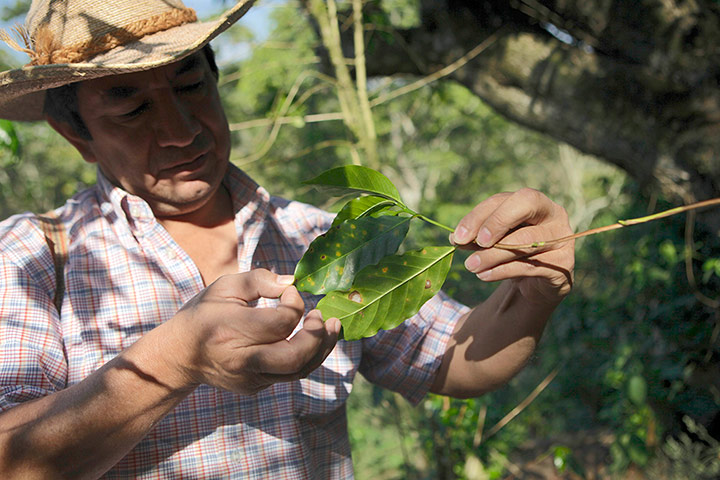
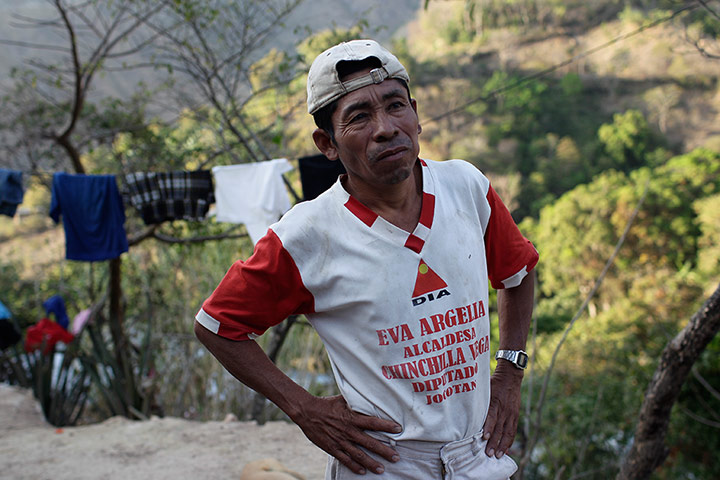
“These were good coffee plantations, but look at them now. Look how [the fungus] really attacks the foliage, that’s what this disease attacks.
“So this year, we are expecting cases of malnutrition to shoot up, to increase above what was reported for last year". [Guatemala already has a chronic malnutrition rate of around 50%, one of the highest in the world. Chronic malnutrition means people’s growth is stunted, among other things]
Photograph: Saul Martinez/Oxfam
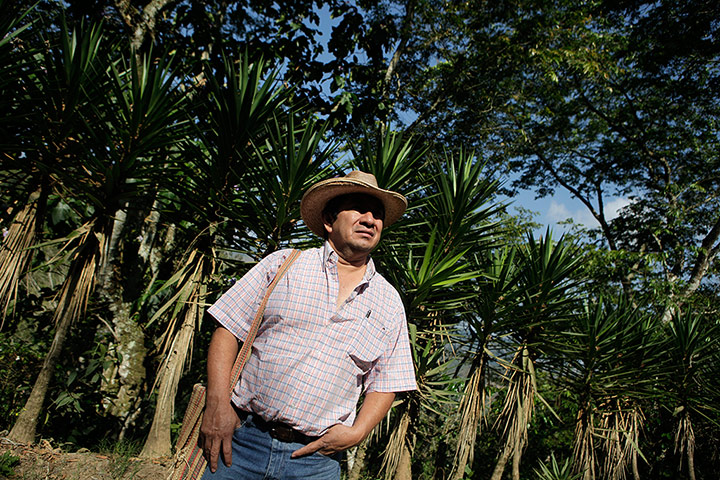
“People in Europe and America, they need to understand this is a social disaster. It will increase health problems, malnutrition problems. Crime will increase."
“People who pay for a cup of coffee in those far-away countries, they need to understand that very little of the money isn’t trickling back to us, the workers and the small producers. People there need to make a deal with the big companies to do something to eliminate all the intermediaries who take the money" Photograph: Saul Martinez/Oxfam
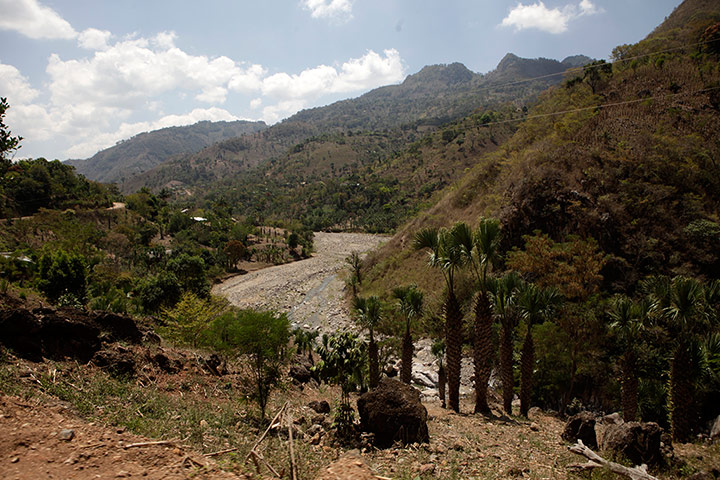
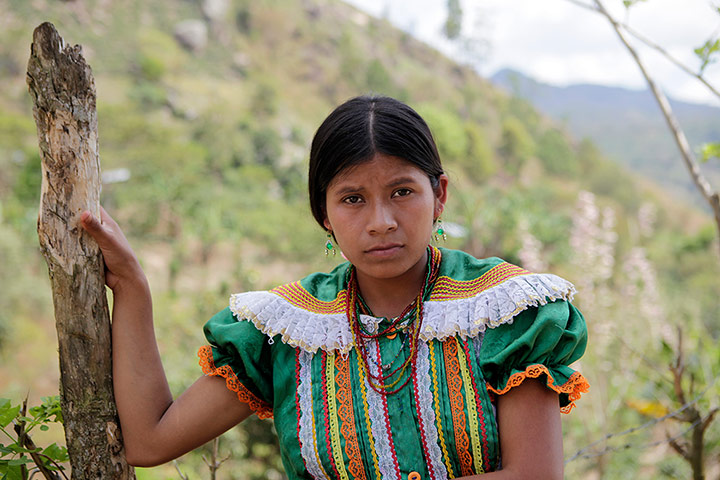
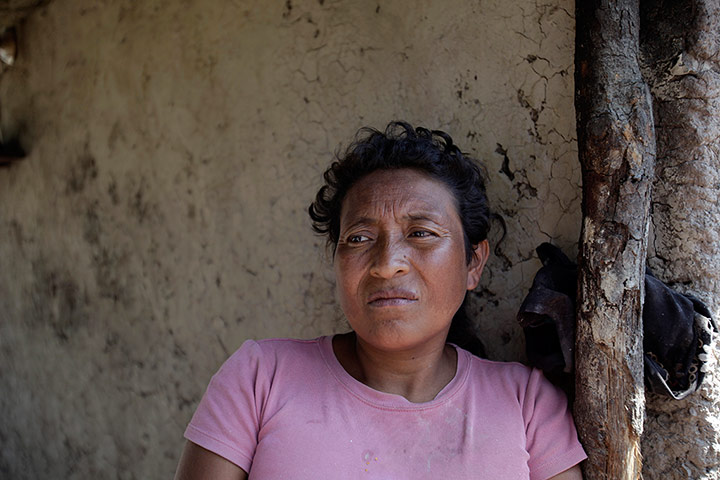
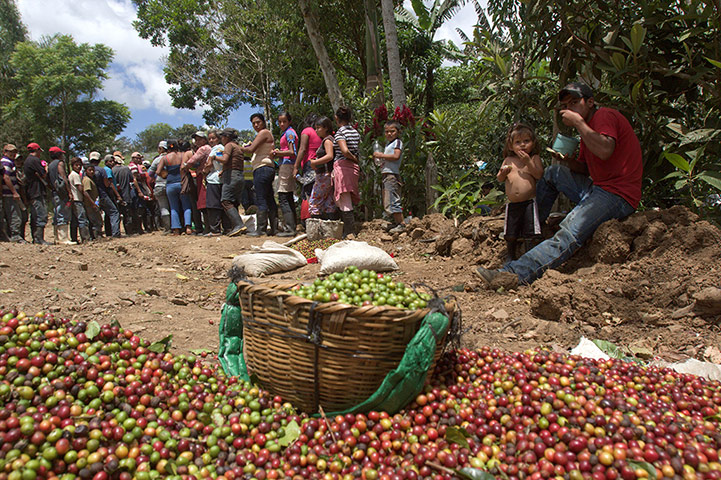
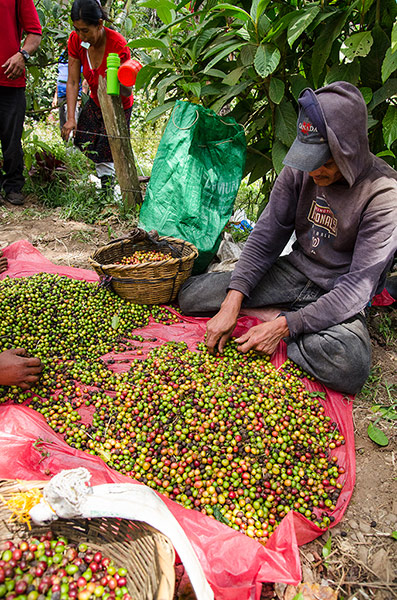
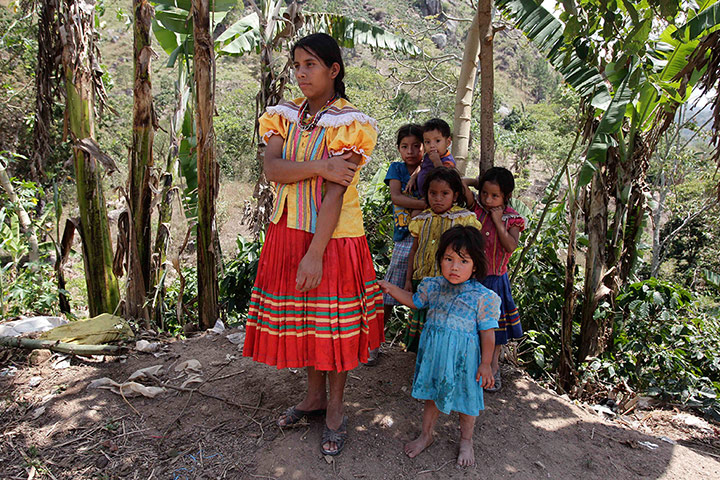
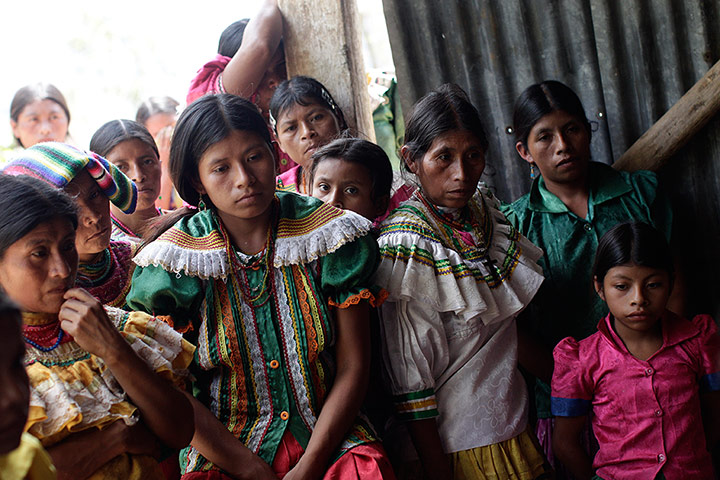
“I went to Olopa, to pick coffee, with the children. It takes a day to get there. But there was no work. We usually stay for a month, but there weren’t enough berries on the trees, so there wasn’t enough work. We came back.
“I am hungry every day. I give my food to the children. I was hungry when I was a child, too. I left school after just two years, when I was eight years old: I had to start picking coffee with my mother. At other times we would weave maguey leaves for mats.
“What would I like most in the world? Maize and beans.” Photograph: Saul Martinez/Oxfam
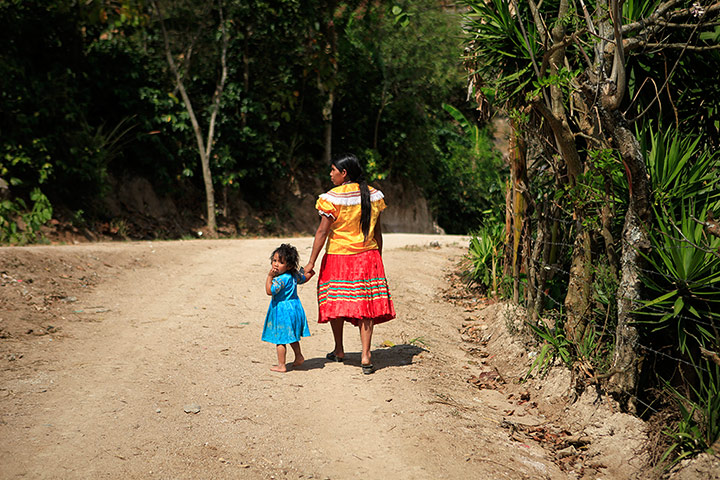
“I make my living growing corn, but the coffee rust affected that too. This year the corn was good, but it depends. If the rain doesn't come, then…
“I have five children. I’m not embarrassed to say it’s hard to feed everyone now. Sometimes there’s not enough to give. Yes - they are hungry. When someone like me is poor, you have to accept hunger" Photograph: Saul Martinez/Oxfam
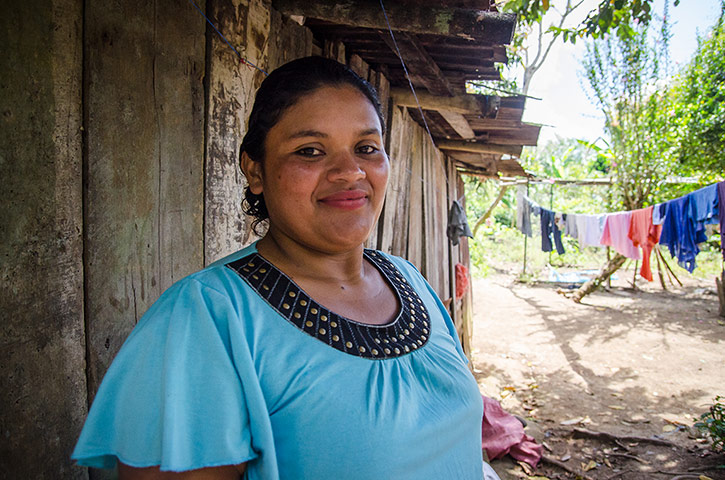
The plantation Carmen used to work on was greatly affected by the roya, so neither she or her children got any picking during this season's harvest. Two of her children are now facing health problems and she can't afford the medicine they need. "We can afford food now, but I don't know about the future"
Photograph: Mathieu-Etienne Gagnon/Oxfam
Photograph: Saul Martinez/Oxfam
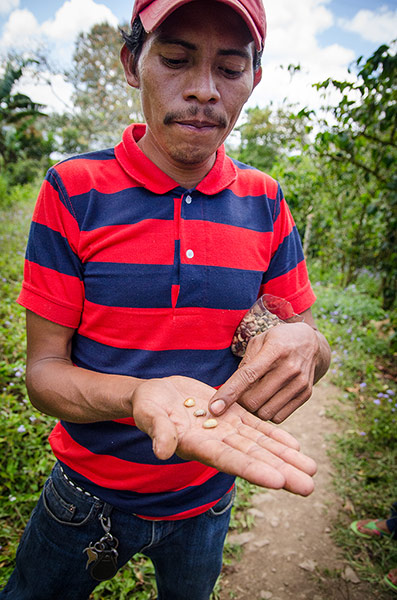
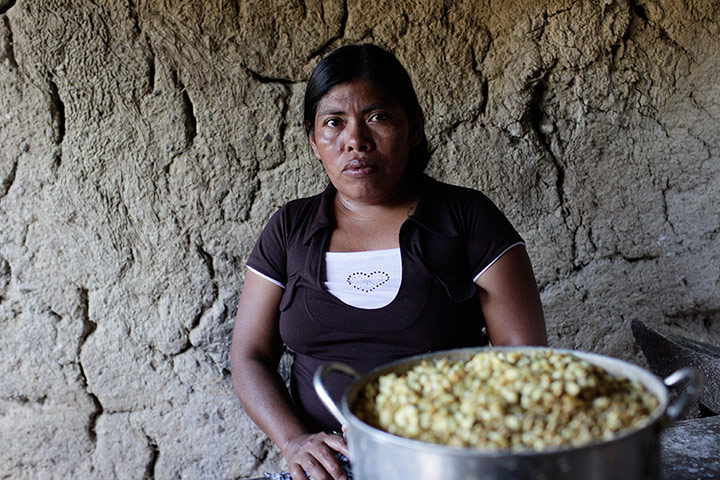
"We're suffering. We worked on Wednesday this week, we got 90 cordobas ($3.50) for picking three cans - but that was it, the end of the coffee harvest. The next is in November - if there ever is another harvest. There's no more work till May [two months away], when the rainy season starts.
“It costs us about 100 cordobas ($4) a day to feed the four of us - that’s for rice, beans, tortilla, coffee in the morning. We might eat chicken and cheese in good times when we can afford it. Fruit for the kids? No, even the bananas here you can’t buy, people who grow them want them themselves. We drink coffee instead. We might be able to get fish for free, if we can catch them in the lake"
Photograph: Mathieu-Etienne Gagnon/Oxfam
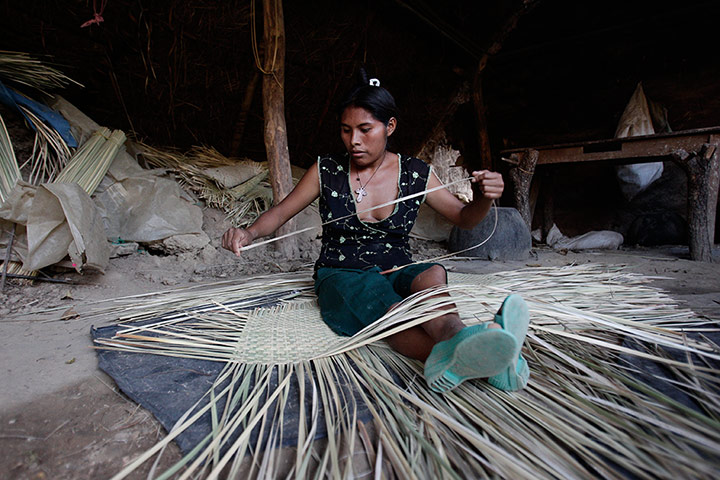
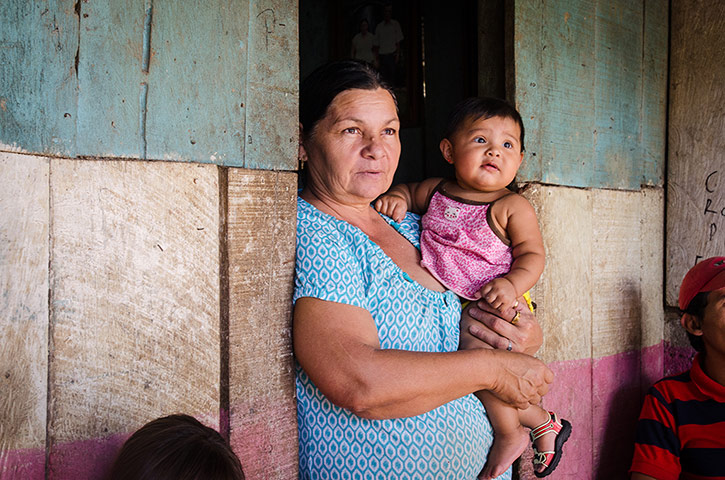
Where they once picked 60 sacks, this year they only got five. This year they made no profit at all, and only just managed to cover the cost of the fertilisers and chemicals and replanting needed for their damaged plantations. "We haven't even been able to buy a new pair of shoes"
Photograph: Mathieu-Etienne Gagnon/Oxfam
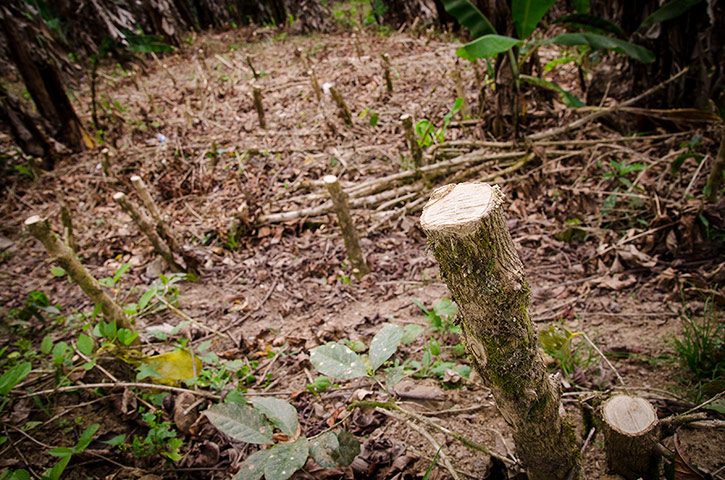
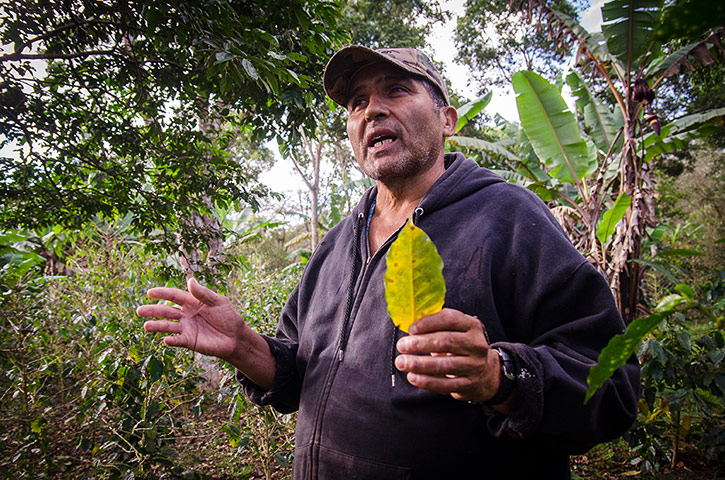
The roya has destroyed 50-60% of Pantale's coffee plantation. In a normal year he employs 30-40 day labourers during the picking season; this year he used only 15-20 . He now wonders if he will ever be able to recover from the crisis Photograph: Mathieu-Etienne Gagnon/Oxfam