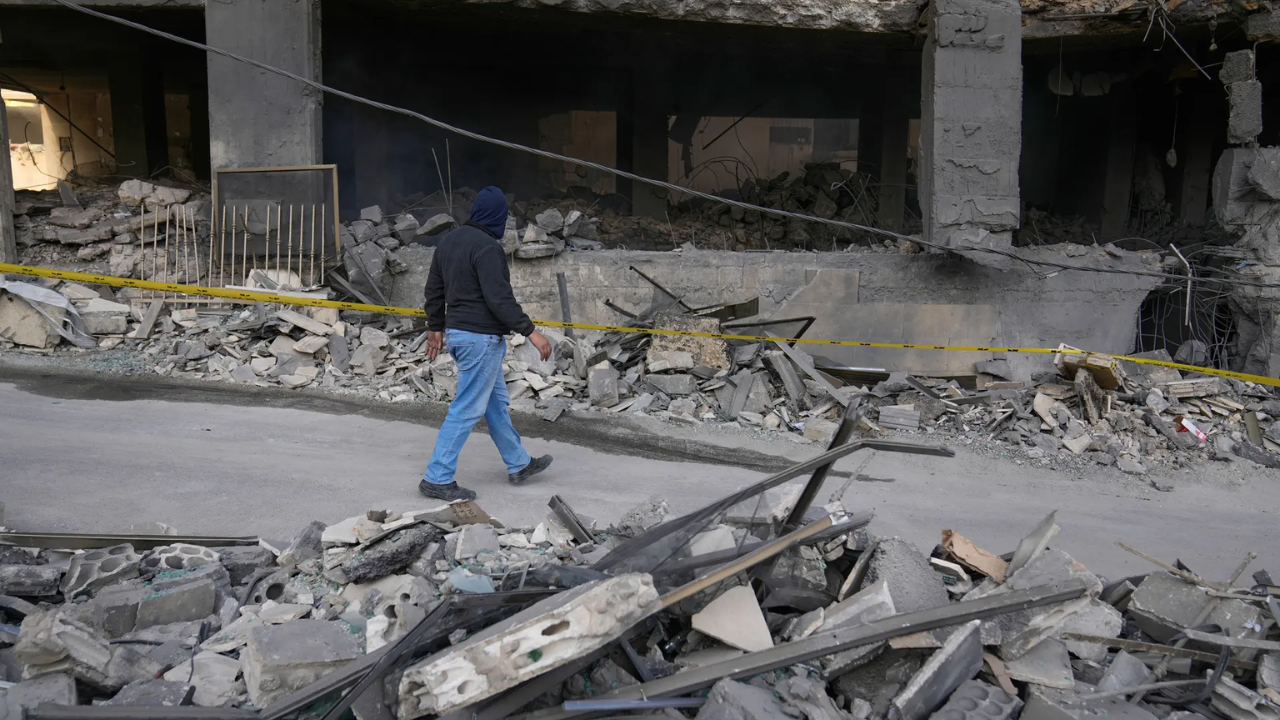
Hours after two professors were killed in a bombing at Beirut’s Lebanese University on Thur, Habib Al-Badawi, professor of international relations, Japanese studies and history at the state-run university, told TOI in an email that daily life on campus had been overtaken by anxiety.
“We are watching our neighbourhoods reduced to rubble, our families displaced, and our futures suspended indefinitely,” Al-Badawi said. “The psychological toll on the Lebanese people is immense.”
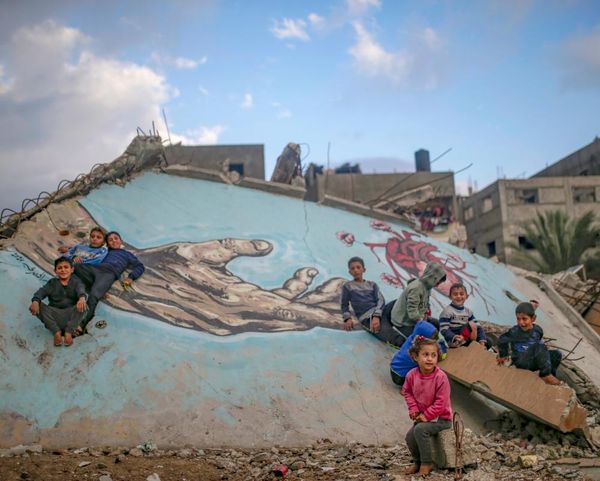
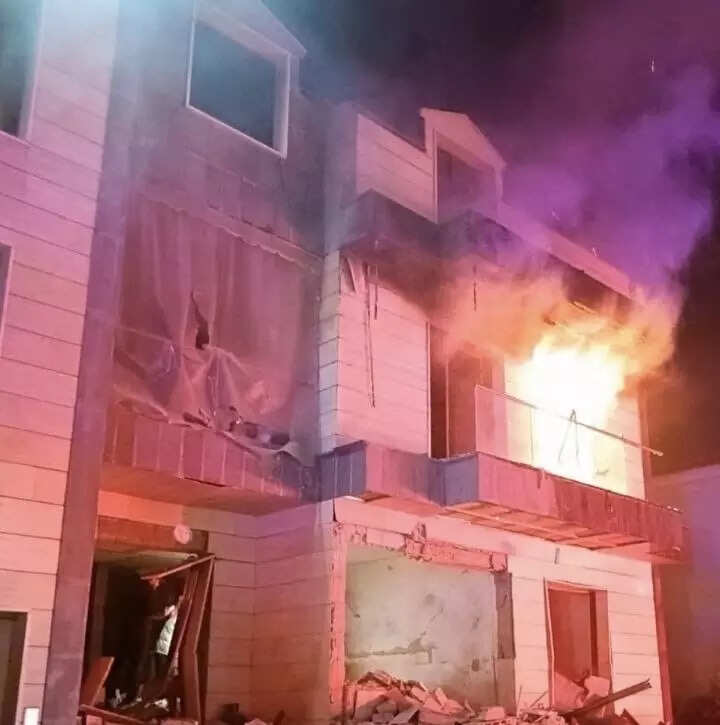
The conflict has so far claimed an estimated 600 lives, including at least 98 children, and displaced nearly eight lakh people, with civilians caught between escalating hostilities involving Israel's defence forces and the Lebanese militant-political group Hezbollah, which is backed by Iran.
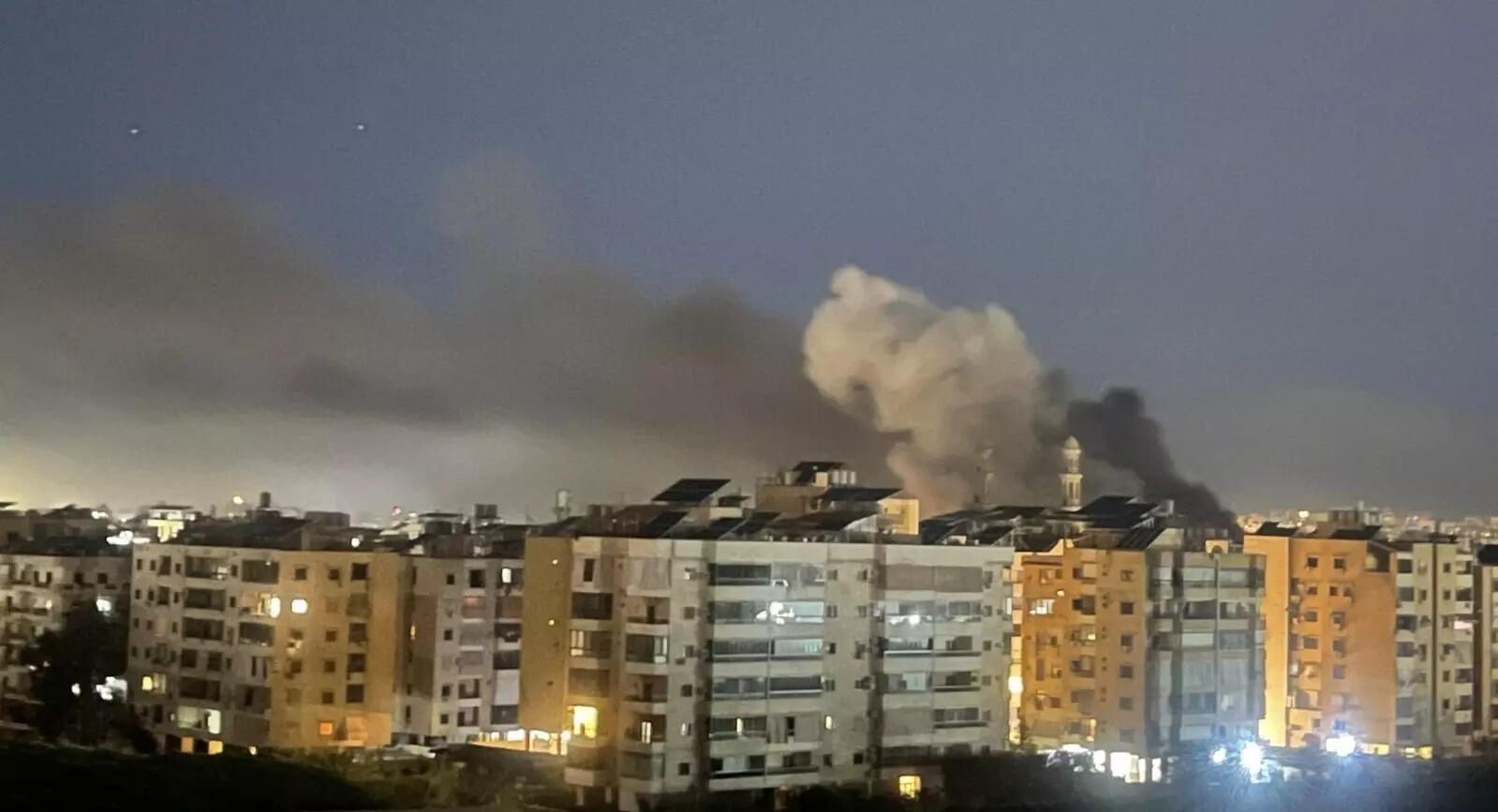
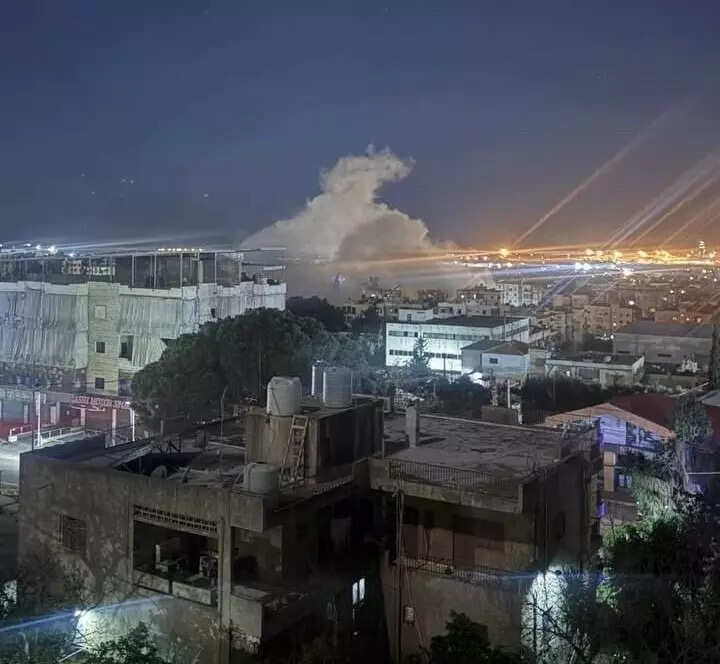
Tensions in Beirut and across Lebanon intensified in the past few days after Israeli forces launched strikes last week targeting Hezbollah positions. The escalation followed rocket fire into Israel by Hezbollah after the killing of Ayatollah Ali Khamenei on Feb 28.
Describing conditions on the ground, Al-Badawi said that many Lebanese feel the country has been drawn into a conflict not entirely of its own choosing.
While opposition to any Israeli occupation of Lebanese territory remains widespread across political and communal lines, he said there is also frustration among sections of the public and within govt circles over Hezbollah’s decision to open a new front in what critics see as an alignment with Iranian strategic interests rather than Lebanese priorities.
The professor said that he was still to come to terms with the death of two of his colleagues -- Hussein Bazzi, director of the faculty of sciences at the south Beirut campus of the Lebanese University, and faculty member, Professor Mortada Srour -- in the strike on the university campus.
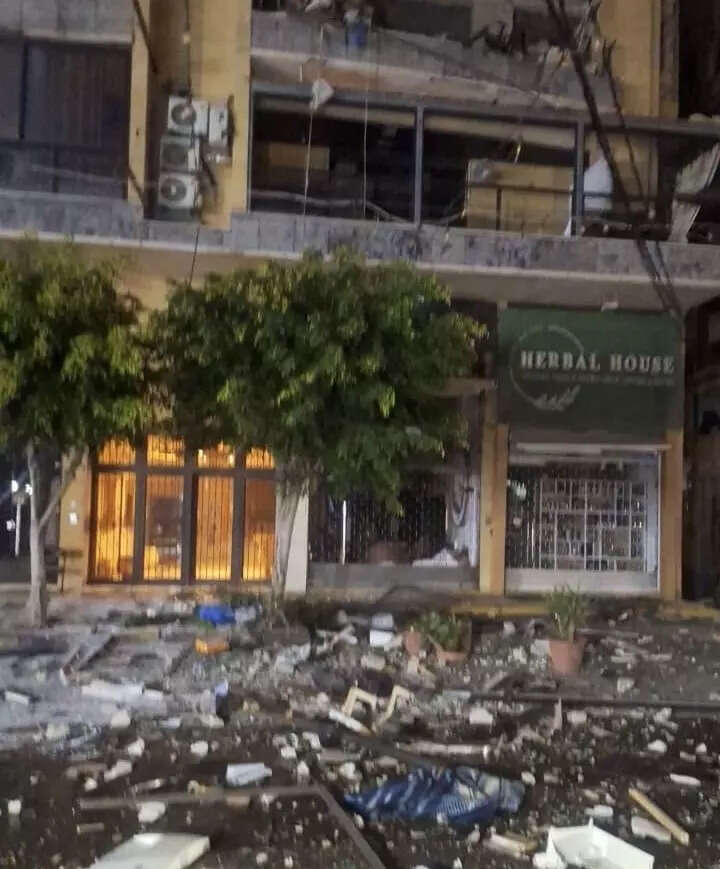
"Frankly, I am quite shaken. Our daily routines have become fraught with uncertainty. Simple tasks such as buying groceries, getting children to school or going to work now involve navigating checkpoints, anxieties and the ever-present fear of where the next strike will fall,” he said.
Schools in affected areas have shut down, and many families have been forced to relocate hurriedly, carrying only what they could manage, he added.
Lebanon’s already fragile economy has made the situation worse. The country had been grappling with severe inflation and financial collapse long before the current escalation.
“The war has deepened the catastrophe, pushing the cost of basic foodstuffs beyond the reach of families who were already struggling,” Al-Badawi said.
Yet amid the disruption, there were signs of solidarity within communities, the professor said. "People are sharing supplies, hosting displaced neighbours and trying to preserve a sense of normalcy for children."
During the holy month of Ramadan, he added, iftar gatherings have taken on a deeper meaning. "Families are bringing food for those who are not in a position to afford supplies. We are also having collective mourning sessions for all those who have fallen, and giving strength to grieving families."
“Lebanese society has endured decades of adversity,” Al-Badawi said. “Even in these extraordinary circumstances, people are finding ways to support one another. We are navigating an extremely dangerous moment, but we hope peace will prevail.”