
Gas prices might rise and fall, but one thing stays constant—drivers hate wasting money at the pump. What stings even more? Losing fuel efficiency because of simple, avoidable maintenance mistakes. Many vehicles quietly burn more fuel than necessary, not because of age or design, but because of overlooked basics that chip away at performance over time.
A few small habits can quietly drain up to 10% of fuel economy, turning everyday driving into an expensive routine. Fixing these issues doesn’t require a mechanic’s magic touch—just a little awareness and consistency.
1. Ignoring Tire Pressure Wrecks Efficiency Fast and Quietly
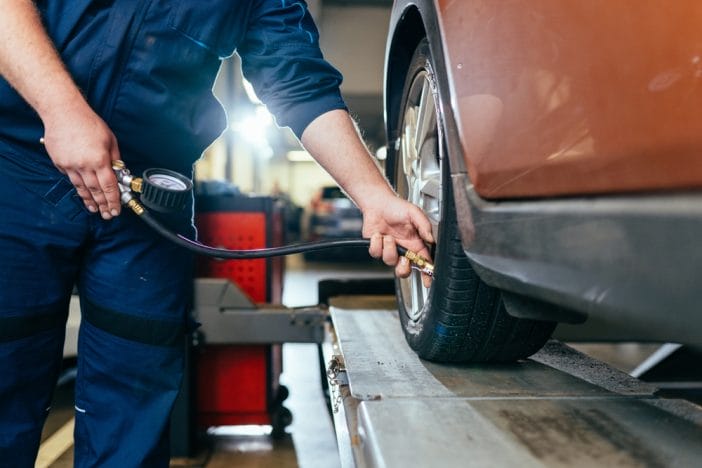
Underinflated tires don’t just look sad—they actively drag down fuel efficiency with every mile driven. Low pressure increases rolling resistance, forcing the engine to work harder and burn more fuel just to maintain speed. A drop of just a few PSI can shave noticeable miles off a tank, especially during highway driving where efficiency matters most. Drivers often wait until tires look visibly low, but by then, fuel economy has already taken a hit. Checking tire pressure monthly and before long trips keeps the vehicle rolling smoothly and protects both the wallet and the tires themselves.
Temperature swings also mess with tire pressure more than most people realize, causing fluctuations that go unnoticed without regular checks. Cold mornings can drop PSI levels overnight, creating hidden inefficiencies even if everything seemed fine the day before. Modern vehicles sometimes alert drivers, but those systems don’t always catch gradual losses quickly. A simple pressure gauge costs less than a gallon of gas and pays for itself almost immediately in savings. Keeping tires properly inflated stands as one of the easiest, fastest ways to boost fuel economy without changing driving habits.
2. Skipping Oil Changes Forces Your Engine to Work Overtime
Fresh oil keeps an engine running smoothly, while old oil turns into a thick, sluggish mess that increases friction. When friction builds, the engine burns more fuel to produce the same power, quietly reducing fuel economy over time. Skipping oil changes doesn’t just risk long-term damage—it creates an immediate efficiency problem that drivers often overlook. Even high-quality synthetic oil loses effectiveness after extended use, especially under frequent stop-and-go driving conditions. Staying on schedule ensures the engine runs clean, cool, and efficient.
Drivers who push oil changes too far often notice subtle signs before major issues appear, including sluggish acceleration and reduced responsiveness. These changes feel minor at first, but they reflect increased strain on the engine and higher fuel consumption. Mechanics consistently point out that clean oil improves overall performance, not just longevity. Regular oil changes rank among the simplest ways to maintain peak fuel economy without spending a fortune. Treating oil as fuel economy insurance helps drivers avoid unnecessary costs at the pump.
3. Dirty Air Filters Choke Your Engine’s Performance
Engines need clean air to mix with fuel and create efficient combustion, and a clogged air filter disrupts that balance instantly. When airflow gets restricted, the engine compensates by using more fuel, reducing efficiency with every drive. Many drivers forget about air filters entirely, even though they play a direct role in fuel economy. Replacing a dirty filter can improve mileage noticeably, especially in older vehicles that rely heavily on proper airflow. It’s a quick fix that delivers immediate results.
Driving in dusty or polluted environments makes air filters clog faster than expected, which means waiting too long between replacements causes avoidable inefficiencies. A quick inspection takes seconds and reveals whether the filter needs attention. Clean filters allow engines to breathe properly, improving throttle response and overall performance. Mechanics often highlight this as a low-cost, high-impact fix that drivers overlook. Keeping airflow clean keeps fuel usage lean.
4. Driving With Extra Weight Turns Your Car Into a Gas Guzzler
Carrying unnecessary weight forces engines to burn more fuel to maintain speed and acceleration. Extra cargo in the trunk, unused roof racks, or even heavy tools can quietly reduce fuel economy over time. Every additional 100 pounds can lower fuel efficiency by about 1%, which adds up quickly during daily driving. Many drivers forget what they leave in their vehicle, turning it into a rolling storage unit without realizing the cost. Clearing out excess weight instantly improves efficiency.
Roof racks create another hidden problem by increasing aerodynamic drag, especially at highway speeds. Even empty racks disrupt airflow and make engines work harder than necessary. Removing them when not in use delivers noticeable fuel savings without any mechanical changes. Drivers who regularly haul gear should balance convenience with efficiency to avoid unnecessary fuel waste. Lightening the load keeps the vehicle running smarter, not harder.
5. Aggressive Driving Burns Fuel Faster Than You Think
Rapid acceleration, hard braking, and speeding all crush fuel economy in ways that add up quickly. Smooth driving habits allow engines to operate efficiently, while aggressive behavior wastes fuel during every sudden movement. Studies consistently show that aggressive driving can lower fuel economy by up to 30% on highways and 40% in stop-and-go traffic. That difference translates into real money lost over time. Driving calmly keeps more fuel in the tank and reduces wear on the vehicle.
Maintaining steady speeds and anticipating traffic flow helps drivers avoid unnecessary acceleration and braking cycles. Cruise control on highways can also improve consistency and reduce fuel consumption. Many drivers don’t realize how much their habits impact efficiency until they make small adjustments and see the difference firsthand. Driving style remains one of the biggest factors in fuel economy that drivers fully control. Smarter habits lead to immediate savings.
6. Ignoring Warning Lights Leads to Hidden Fuel Loss
Dashboard warning lights don’t just signal major problems—they often highlight issues that directly affect fuel efficiency. A check engine light could indicate oxygen sensor problems, faulty spark plugs, or emissions issues that increase fuel consumption. Ignoring these warnings allows small inefficiencies to grow into costly repairs and wasted fuel. Addressing them early keeps the vehicle running efficiently and avoids bigger headaches later. Quick diagnostics can reveal simple fixes with big benefits.
Many drivers delay checking warning lights because the car still “feels fine,” but performance issues often develop gradually. By the time noticeable symptoms appear, fuel economy has already dropped significantly. Mechanics frequently find that small sensor issues cause measurable increases in fuel usage. Fixing these problems restores efficiency and improves overall performance. Paying attention to warning signs protects both the engine and the budget.
Keep Your Tank—and Wallet—Full With Smarter Habits
Small maintenance habits quietly shape fuel economy in ways that drivers often overlook, but the impact adds up fast. Ignoring basics like tire pressure, oil changes, and air filters can cost up to 10% in fuel efficiency without any obvious warning signs. Staying consistent with simple checks and mindful driving habits keeps vehicles running at their best without expensive upgrades. Every gallon saved adds up over time, especially for daily commuters or long-distance drivers. Smart maintenance doesn’t just protect the car—it keeps more money where it belongs.
What simple car maintenance habit made the biggest difference in your fuel economy? Let’s chat about it below in our comments section!
You May Also Like…
Avoid These 5 Cars If You Like Doing Your Own Oil Changes
8 Cars That Should Have Never Been Sold — Some Were Downright Dangerous
More Cars Are Being Targeted in Parking Lots—And It’s Not for the Reason You Think
Smart Automotive Choices That Can Lower Your Long-Term Vehicle Costs
Inside the Numbers: Automotive Repair Market Growth and Scrap Metal Value
The post Car Maintenance Mistakes Could Be Costing You Up to 10% in Fuel Economy appeared first on Clever Dude Personal Finance & Money.