A 37-year-old cancer survivor has called on the NHS to step up its after-care psychological support as a charity has revealed patients face a “postcode lottery” for services.
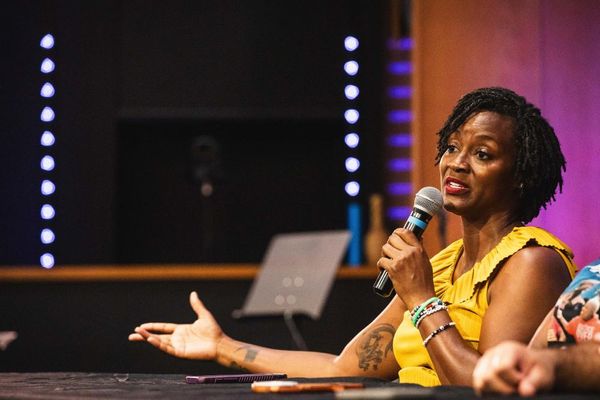
Zoe Yessian, a mental health nurse from London, was 34 when she was diagnosed with stage two breast cancer. She has told The Independent after a year of surgery, egg preservation surgery, chemo and radiation therapy, she was not offered any post-treatment psychological support despite her body entering a “medical crash menopause” in her thirties.
“I've really had to advocate to get help and support,” she said. “That hasn't been just offered, even though some services are there.”
Freedom of Information responses obtained by breast cancer charity Future Dreams surveyed 81 NHS Trusts providing acute cancer care and found that almost half had no formal survivorship or aftercare pathway that includes psychological support. One in seven provided no post-treatment support at all.
Survivors like Ms Yessian are calling for more help as they enter remission, with the charity finding that 76 per cent of survivors sought emotional support more than two years after completing primary treatment through a survey of more than 5,000 registered users between November and December last year.
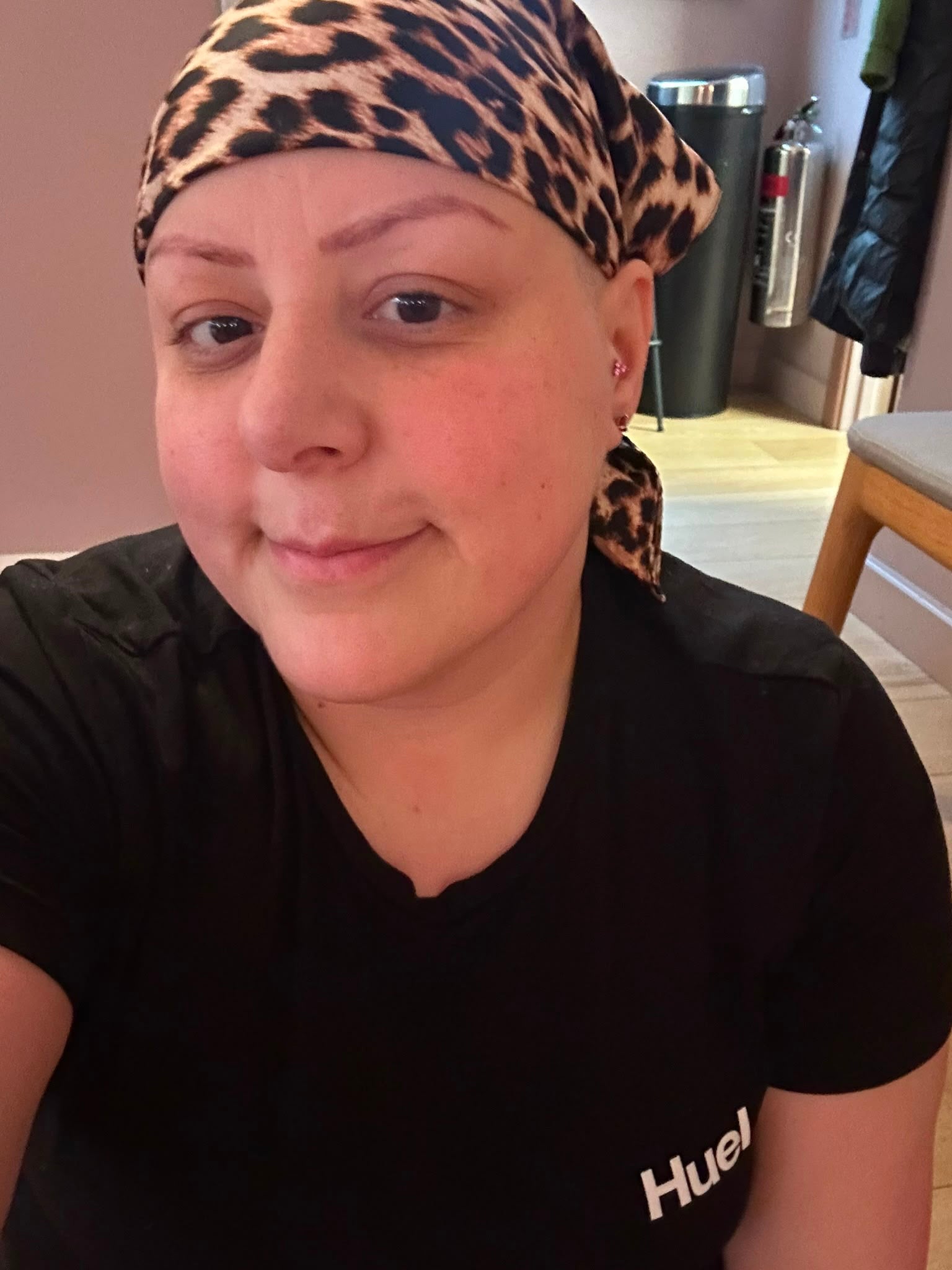
“While you're in it... for me personally, it felt a bit like you're just in survival mode,” Ms Yessian said of her cancer treatment. “But afterwards you're sort of on this cancer cliff where you're like, what the hell has just happened to me and what have I been through?”
She continued: “At that point you really need support to be able to process all the sort of trauma.”
Ms Yessian explained that even though her cancer is in remission, she remains on hormone treatment and targeted treatment to try and keep the cancer from coming back which has put her in a “crash menopause”.
“Most women struggle with a normal menopause, where your levels are slowly declining,” she explained. “This is like overnight, all of your hormones are switched off.
“My body is like really angry because it knows that this shouldn't be happening, and you don't realise until you're in it how much our hormones impact everything, like our joints, fatigue, energy, hair, mood, sex drive, it just affects so many things.
“As a young person, this then affects relationships, it affects people having children, it affects fertility. It just has a knock-on effect on so many things.”
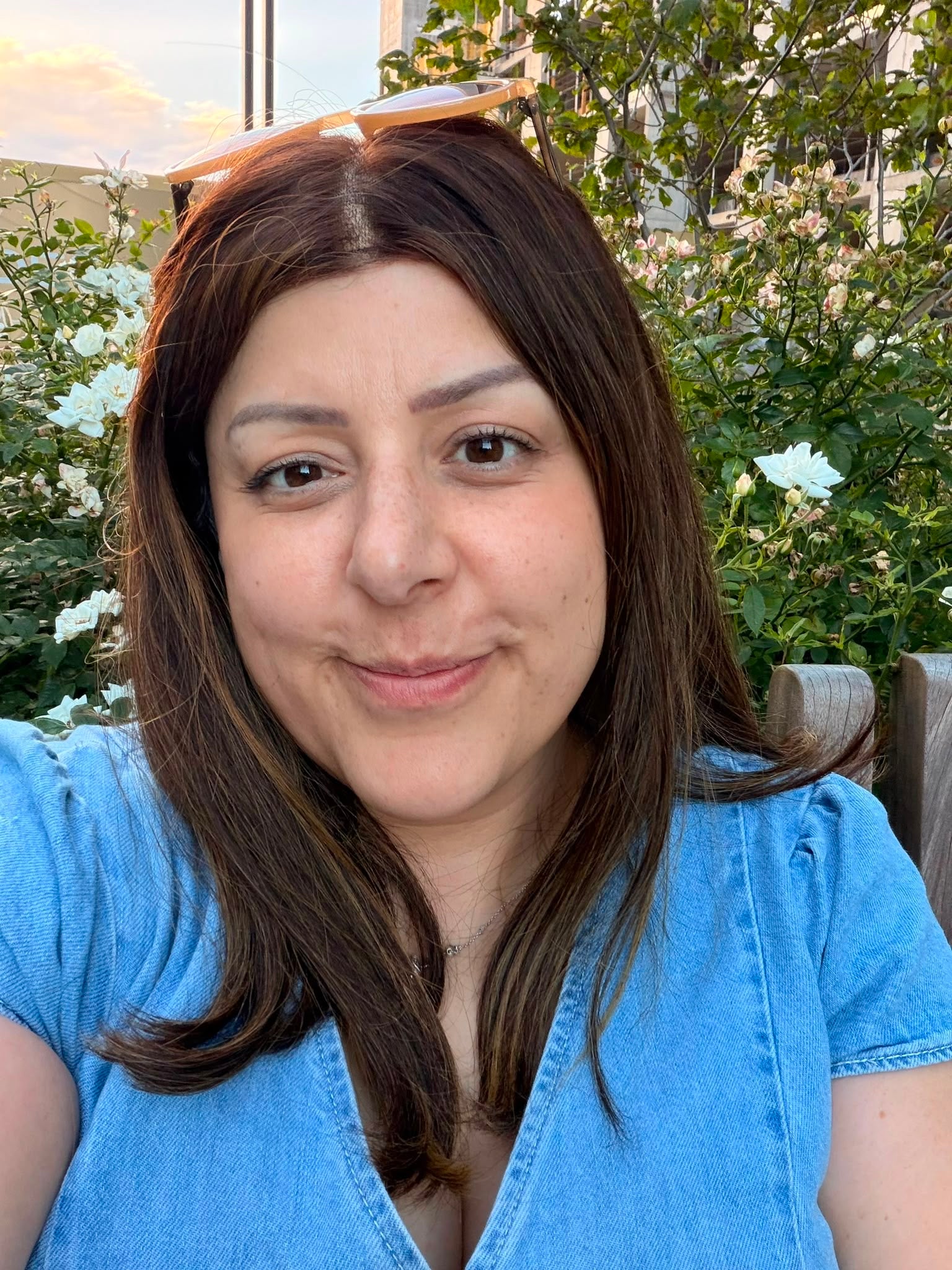
She was eventually referred to a menopause clinic and offered a CBT programme for menopause. She said: “The issue is, there isn't enough support, investment [or] services to deal with the aftermath of cancer.
“I think it's places like Future Dreams charity... Those kind of breast cancer charities are stepping in and actually filling the gap between what is not being offered by the NHS or is not available in the NHS for women and men going through cancer.”
While 88 per cent of Trusts in the south west of England reported a formal survivorship pathway, this proportion dropped to just 20 per cent in the East of England.
Fewer than half of Trusts analysed in London reported having a formal survivorship pathway that includes psychological support after treatment.
57 per cent of Trusts in the midlands offered a formal survivorship pathway compared to 53 per cent in the north east and Yorkshire, and the south east. Meanwhile, 38 per cent of Trusts in the north west of England offered formal aftercare after treatment.
Access to psychological support was time limited for 22 per cent of Trusts, with acess in some areas ending within months of treatment finishing or after a fixed number of sessions. Other Trusts described support as ongoing, needs-based or available for several years after treatment.
The charity also found that 12 per cent of Trusts relied on external referral pathways for post-treatment psychological support.

Charities such as Macmillan, Maggie's and Tree of Life also formed a core part of post-treatment support as more than a third (38 per cent) of Trusts referred to third-sector organisations as part of offers for support.
The findings come as the government develops its National Cancer Plan, which has said that every cancer patient will receive a personalised support plan covering their physical, emotional and practical needs throughout and beyond treatment.
Sam Jacobs, CEO at Future Dreams, said that survivorship must become a “core part of cancer care” as the National Cancer Plan develops.
“At Future Dreams, we see first-hand how the emotional impact of breast cancer can continue long after treatment has finished. Our own research found that three quarters of our users surveyed sought emotional support more than two years after completing primary treatment. As the Government develops its National Cancer Plan, survivorship support must become a core part of cancer care rather than something patients have to navigate alone.”
An NHS spokesperson said: “The NHS is working hard to ensure that everyone impacted by cancer receives support with their psychological wellbeing, and under the new National Cancer Plan, all local health teams will work with every cancer patient to develop a personal care plan that covers not just their treatment, but also their wider physical and mental health needs and social needs.”