
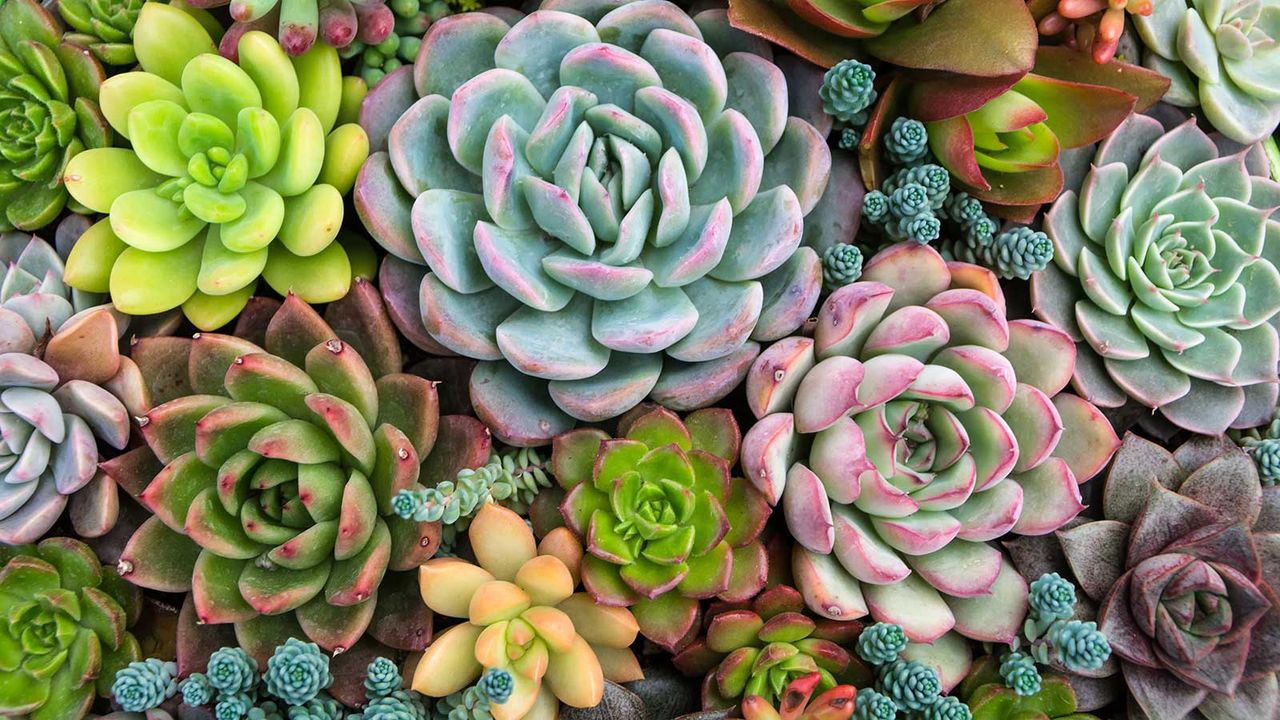
Succulents are some of the most weird and wonderful houseplants to grow, coming in a wide range of shapes, sizes, and colors. You can take your succulent display to the next level by trying a different growing method: growing succulents in water.
I'm not talking about propagating succulents in water (which is possible with cuttings), but rather I'm referring to growing these houseplants without soil in water culture. It's a beautiful way to display not only their interesting foliage, but also their root systems beneath water level, especially if you use a vessel like these clear jars from Amazon.
Although not the easiest way to grow them, water culture (specifically semi-hydroponics) can work quite well for succulents, even reducing the risk of root rot. However, it isn't quite the same as growing other types of houseplants in water, requiring much more careful management. Here, I talk through how exactly to grow succulents in water, with insights from a plant expert.
Can You Grow Succulents in Water?
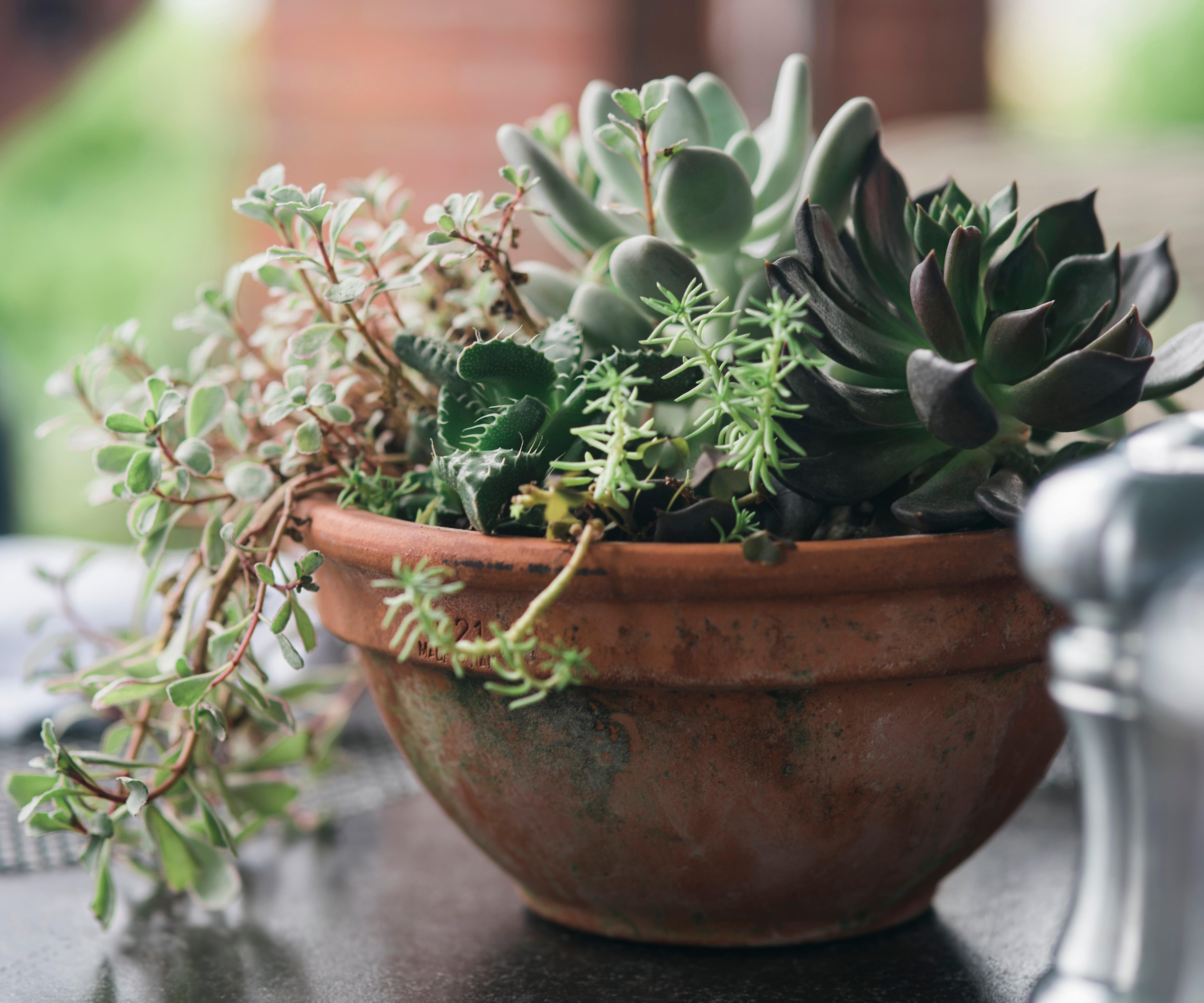
In short, yes you can grow many indoor succulents in water, but it isn't just a case of swapping soil for water.
'They can survive for weeks or even a few months in water, especially newly propagated succulents,' says indoor plant expert, Adrian Aviles.
This method Adrian describes is when you root cuttings in water to propagate succulents, fully submerging the bottom of cuttings.
Keeping the cutting's roots fully submerged turns this into a hydroponic gardening method. But, this isn't something succulents are suited to long-term.
'Succulent roots and water-storing tissues are evolved for dry, fast-draining environments, not constant moisture,' Adrian notes.
It puts succulents are risk of root rot, the number one killer of these plants. Plus the lack of essential plant nutrients available in water will limit their growth, in comparison to the nutrients found in succulent potting mix (like this succulent potting mix from Amazon).
As Adrian says, 'for long-term success, transitioning water propagated succulents into a gritty, fast-draining soil mix is key.'
Nevertheless, full hydroponics isn't the only way to grow succulents in water – semi-hydroponics make it possible to grow them in water culture permanently. Here's how it works.
How to Grow Succulents Using Semi-Hydroponics
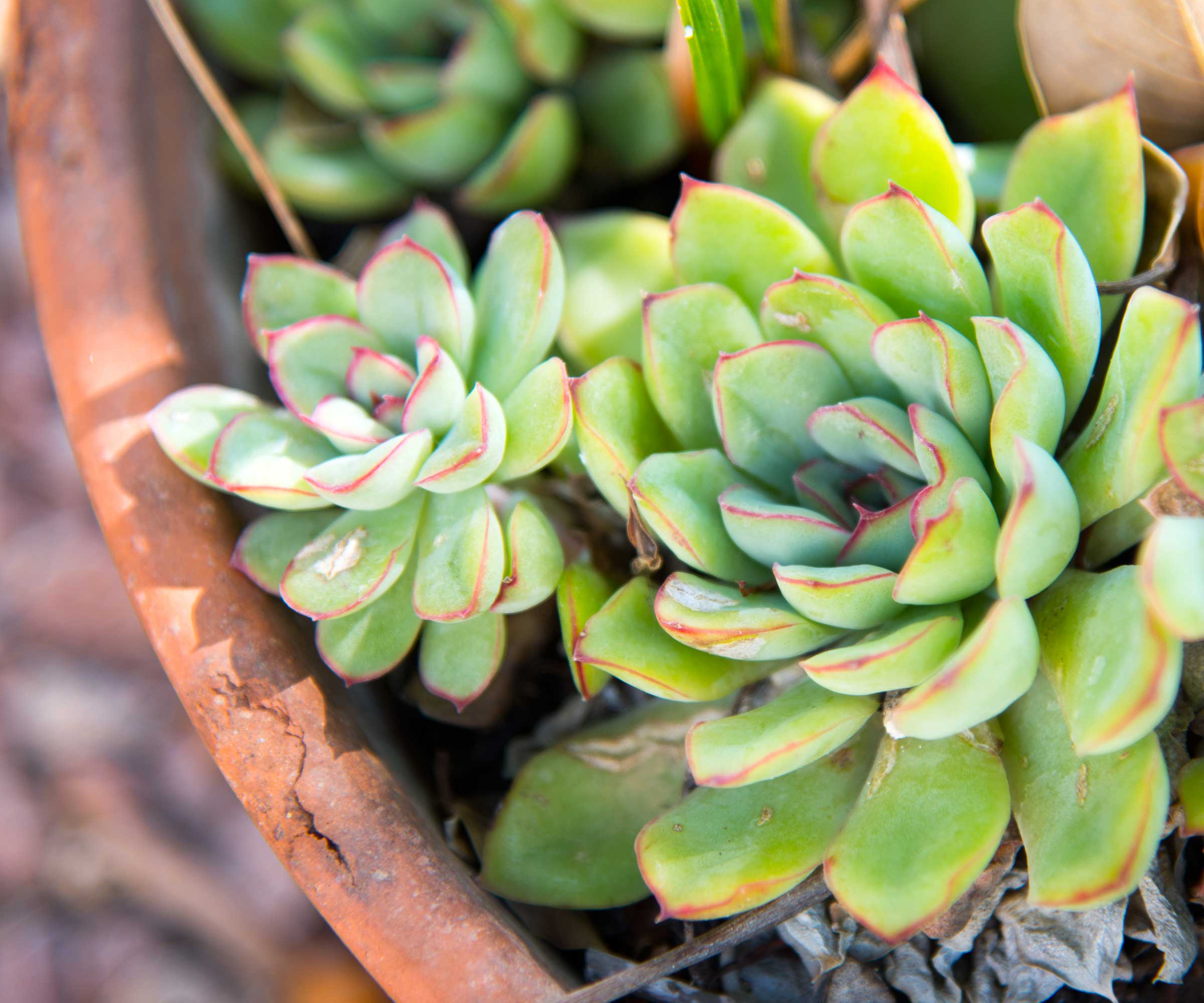
To grow succulents in water long-term, it's best to use semi-hydroponics.
This is where succulents grow in a medium like LECA (lightweight expanded clay aggregate, available on Amazon) and are elevated above a water reservoir. It's not too dissimilar to the Kratky hydroponic method, only partially submerging plant roots.
Semi-hydroponic net pots (which you can purchase on Amazon) make it possible to keep the succulent suspended above the water.
The crown of the succulent is kept dry in this method, one of the best ways to ensure succulents don't experience crown or root rot when growing in water.
It's actually a very beneficial way to grow succulents because it provides oxygen to roots, removes the risk of rot, and makes watering succulents a lot easier, as the roots soak up just as much water as they need.
It's important to note not all succulents are suited to water culture, but the majority of popular succulent houseplants get along with semi-hydroponics just fine, including echeverias, haworthias, and jade plants.
You should also avoid hydroponic gardening mistakes to increase chances of success with semi-hydroponics.
This includes regularly changing out the water to keep it fresh and clean, keeping the succulents somewhere bright to support growth, and using a clear vessel (like this propagation station from Amazon) to observe root health.
You can also use a hydroponic fertilizer (available on Amazon) to boost nutrients for your water culture succulents, though you should only apply it in spring and summer when they're actively growing.
Unlike full hydroponics, semi-hydroponics can allow succulents to grow just as robustly as in potting mix, so long as you provide optimal growing conditions.
FAQs
Can Succulents Grow in Sand Alone?
While sand is an excellent material for succulents, especially in a DIY succulent potting mix, it isn't enough to provide long-term support on its own. This is because it lacks the essential nutrients needed for growth, as well as aeration, where wet sand can compact. Instead, use sand as a succulent potting mix amendment to improve drainage.
Whether you do try to grow succulents in water or opt for growing them in soil, make sure you're read up on succulent mistakes to avoid to help your efforts.
Shop Succulent Accessories
Succulents have shallow roots, making this planter the perfect fit. It has a drainage hole and saucer to remove excess moisture, too.
Those watering can is ideal for small houseplants like succulents, with a long and narrow spout.
This succulent potting mix specially formulated for succulents and cacti. It's well-draining and nutrient-rich.
Use this houseplant propagation station to root succulent cuttings in water. It has capacity for three cuttings, displayed on a wooden frame.