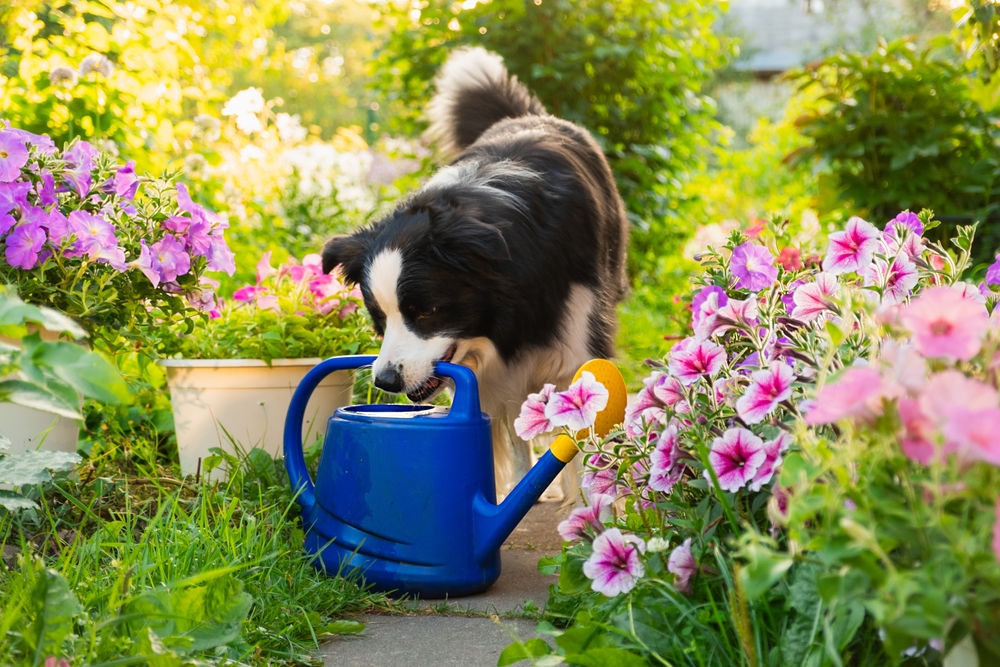
A pet-safe garden does not require digging up every flower, tossing every shrub, and starting over with a blank patch of dirt. Smart gardeners can protect curious dogs and cats by making a few strategic changes that create a safer outdoor space while keeping the personality of an established garden.
Many beautiful yards already contain plants that pets should avoid chewing, but that does not mean the garden needs a dramatic makeover worthy of a landscaping television show. A bit of planning, a few protective habits, and some pet-friendly additions can turn a regular backyard into a space where plants and pets can coexist.
Start With a Garden Safety Detective Mission
The first step involves walking through the garden with fresh eyes and looking for trouble spots before a curious pet discovers them. Some common ornamental plants, including lilies, sago palms, azaleas, and oleander, can create serious health risks for pets that nibble on leaves, flowers, or seeds. A careful inspection helps identify which plants need attention without forcing a complete garden renovation. Garden labels, plant identification apps, and local extension resources can help confirm unfamiliar varieties that have lost their original tags.
A garden detective also looks beyond plants because fertilizer, pesticides, mulch, and tools can create hazards too. Cocoa mulch deserves special attention because it contains compounds related to chocolate that can harm dogs if they eat enough of it. Keeping chemicals in sealed containers and removing fallen fruit from certain trees can reduce accidental snacking opportunities. The goal involves creating safer habits, not turning the backyard into a restricted zone where nobody has fun.
Keep Favorite Plants and Add Smart Protection
Many gardeners feel attached to certain plants because they remember when they planted them, watched them bloom, or shared that garden space with family members. Instead of removing every questionable plant, gardeners can create distance between pets and those areas through fencing, raised beds, containers, or decorative barriers. A small border around a flower bed can make a surprising difference because many pets follow the easiest path rather than launching a full garden investigation. Even a determined puppy often loses interest when a tempting plant sits behind a simple obstacle.
Placement also plays a major role in pet-safe gardening because not every plant needs the same level of protection. A toxic plant near a frequently used walkway deserves more attention than one tucked into a fenced corner where pets rarely visit. Containers offer another clever solution because they allow gardeners to keep favorite ornamentals while controlling access. This approach saves beloved plants and prevents unnecessary garden guilt.
Choose New Plants That Work for Pets and People
Adding pet-friendly plants can gradually shift a garden toward a safer design without replacing everything at once. Many gardeners enjoy options such as sunflowers, snapdragons, zinnias, roses, basil, rosemary, and thyme because these plants add color, fragrance, and usefulness while fitting into many backyard styles. Every pet reacts differently, so even safer plant choices still require supervision during the first few visits. A curious animal may ignore a rose bush but decide that a perfectly innocent-looking leaf makes a wonderful chew toy.
A balanced garden also includes areas that encourage pets to explore appropriate spaces. Creating a designated digging corner with loose soil or sand can redirect a determined digger away from prized flower beds. Tall grasses, sturdy ground covers, and durable paths can help create a backyard layout that handles paws, zoomies, and occasional chaos. The best pet-friendly gardens recognize that animals behave like animals, which means a little flexibility creates better results than constant correction.
Build a Backyard Where Plants and Pets Get Along
A successful pet-safe garden focuses on management rather than perfection because every outdoor space comes with different challenges. A small yard with one energetic dog may need different solutions than a large landscape with several cats that enjoy exploring every corner. Regular garden checks help catch problems early, especially when new plants enter the yard or seasonal changes bring new growth. A quick walk around the garden can reveal broken branches, dropped seeds, or newly discovered chewing habits.
The biggest mistake many gardeners make involves assuming safety requires removing all beauty and variety. A thoughtful garden can still include colorful flowers, interesting textures, herbs, and mature plants while giving pets room to enjoy the outdoors. Good planning creates boundaries without removing the joy that makes gardening special. The result feels less like a compromise and more like a shared outdoor room for every member of the household.
A Garden That Welcomes Every Paw and Leaf
Creating a pet-safe garden starts with careful choices, not a wheelbarrow full of discarded plants. Gardeners can keep many existing favorites by identifying risks, adding barriers, and improving the layout around pets’ natural behaviors. Small changes often create the biggest improvements because safety usually comes from consistent habits rather than one dramatic project.
A beautiful garden and a happy pet can share the same backyard when gardeners combine curiosity with practical decisions. Checking plant varieties, storing supplies properly, and offering pet-friendly spaces can protect animals while preserving the garden’s character. The best outdoor spaces feel alive, welcoming, and realistic enough to handle muddy paws and curious noses. A pet-safe garden does not need perfection; it needs thoughtful design.
What changes have helped create a safer garden for your pets while keeping your favorite plants?
You May Also Like…
9 Natural Ways to Deter Snails Without Harming Pets or Pollinators
What Is the Safest Way to Handle Slugs Without Harsh Chemicals?
Gardeners Are Planting This “Safe” Shrub — But It’s Deadly for Cats
Vets Say This Popular Spring Bulb Is Causing Serious Health Issues in Dogs
7 Fragrant Plants That Make Evening Gardens More Enjoyable
The post Can You Create a Pet-Safe Garden Without Replacing Every Plant? appeared first on Frugal Gardening.