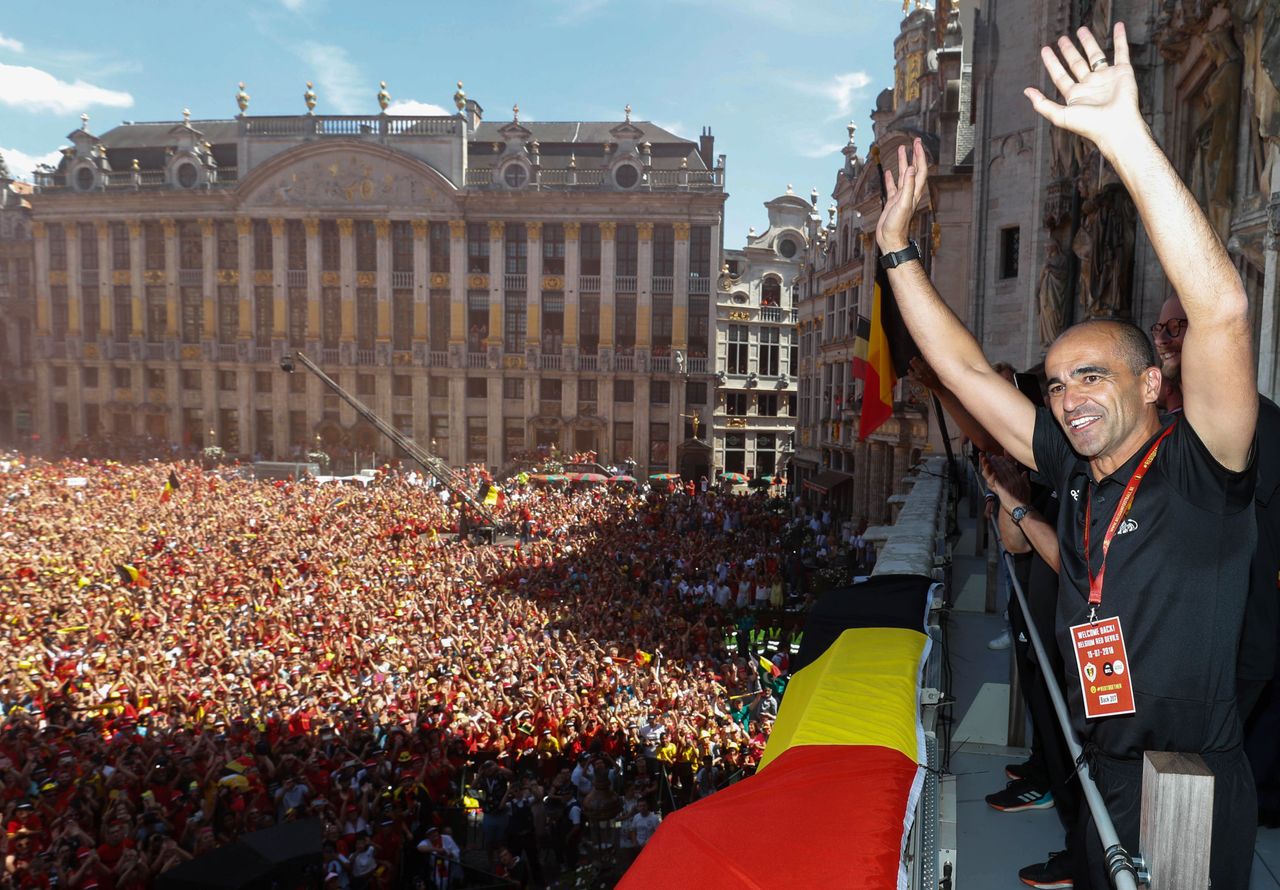
Poor Roberto Martinez. Wigan Athletic’s finest is in line for another of European football’s top international jobs, and there’s not an iota of excitement online from anyone: it’s all just comments about how he wasted Belgium’s great-ever generation of talent. Of how he must possess sensitive information of big-wigs at some of world football’s biggest federations. Of how if his name was Bob Martin, he’d be coaching in League One.
After this summer, few can defend his Portugal tenure and his decision to play a 40-something up front. And yes, perhaps it is surprising that Martinez – whose finest achievement in football happened within days of suffering relegation – keeps getting the biggest jobs on the continent. Though to give them their credit here, this is a forward-thinking move by Dutch football association standards, an organisation who lost their contact book about 15 years ago, but were lucky enough to still have the phone numbers of Ronald Koeman and Louis van Gaal scratched on a desk somewhere in the office, in case of emergencies, and have flitted between the two like a moth stuck between two streetlights in a cul-de-sac.
No, but seriously, the Belgium accusations simply aren’t true. Yes, they had good players. Yes, he hired Thierry Henry as a coach. But not every golden generation gets its flowers – and that one certainly should never have gotten as far as a World Cup semi-final in 2018.
Just saying that sounds utterly bananas. Thibaut Courtois in goal. Vincent Kompany leading the backline, flanked by Toby Alderweireld and Jan Vertonghen. Youri Tielemans, Mousa Dembele, Yannick Carrasco and Dries Mertens all from the bench. A front three of Kevin De Bruyne, Romelu Lukaku and Eden Hazard, for god’s sake.
Were you to name the 23 best footballers to ever come out of Belgium, there’s a fair likelihood that around 15-20 of them were in that selection. That team would walk most leagues in Europe – two or three times in a row. But that’s not how tournament football usually plays out. It’s not how it’s played out for every so-called ‘favourite’ in international football for the past couple of decades.
The Belgians had been dumped out of the previous two tournaments at the quarter-final stage with a whimper. Despite the wealth of talent available to Martinez, there were chronic issues across the pitch: Martinez had absolutely nothing resembling a left-back, with Nacer Chadli crowbarred into a wing-back berth out of necessity rather than invention. At the time, that was seen as the biggest problem.
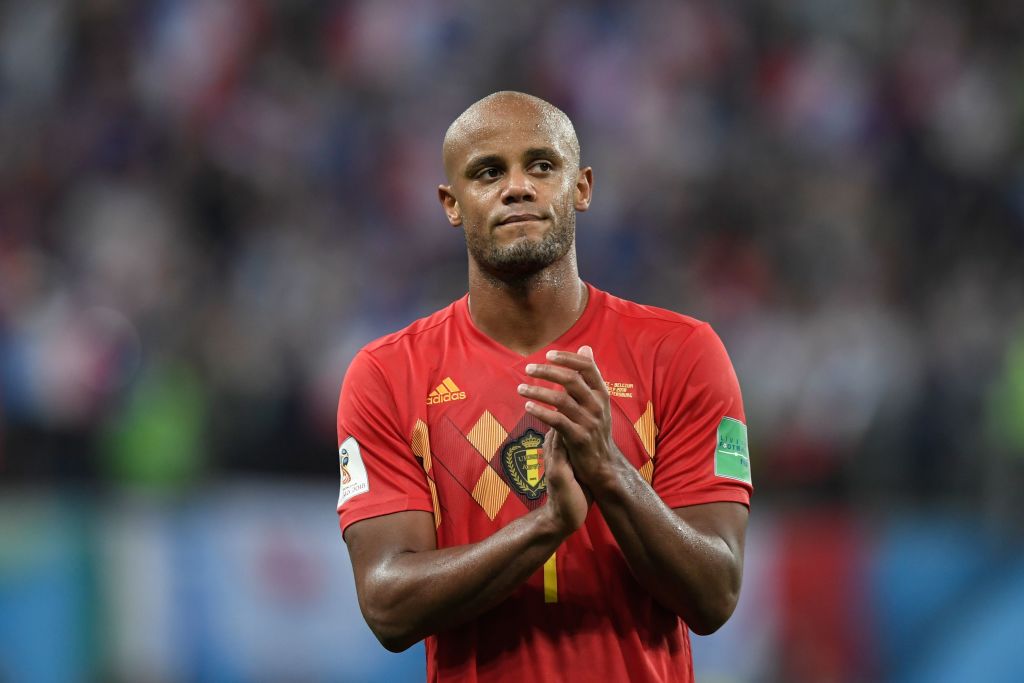
It wasn’t. Not really. A lack of central midfield options meant that Axel Witsel – playing in China, at the time – was the one constant to rely on. Mousa Dembele had missed the last few games of the season and looked way off the pace during the tournament, getting dragged off after an hour of Paul Pogba and N’Golo Kante giving him the runaround in the semi. Tielemans was still just 21; Marouane Fellaini was a battering ram and De Bruyne had to play deeper at times, despite not being a double-pivot player.
Thomas Meunier was good, if not spectacular. The three-man defence, meanwhile, was fairly solid, if not ageing. The lack of pace from Kompany and Vertonghen put a lot of burden on Alderweireld’s legs. But really, all the spotlight was hogged by that attack: a get-out-of-jail trio who were surely capable of destroying all before them.
And to reiterate the point, yes, they would’ve done, had this been the Premier League. But here’s where this really gets controversial: were De Bruyne, Hazard and Lukaku really the men for tournament football?
Again, not really. They did their best, though. De Bruyne actually didn’t have a bad World Cup: he actually created the third-most chances of anyone in Russia – behind Neymar and set-piece specialist Kieran Trippier – but coming off the back of a historic 100-point season with Manchester City, we all expected him to flourish in his free role, delivering more than just the single goal he netted.
He seemed quiet: yet this would become a theme of the playmaker in knockout footbal. He’d never escape the ghost accusations when it came to European ties – he was subbed off in both Champions League finals he played through injury, which didn't help – but this was just who De Bruyne was. In the very biggest matches, he would enhance other players around him, rather than rocketing a ball into the top corner. His sole strike in 2018 came against Brazil – so he couldn’t have gone missing that much in big games – but he was more of a complementary piece when it came to international competitions.
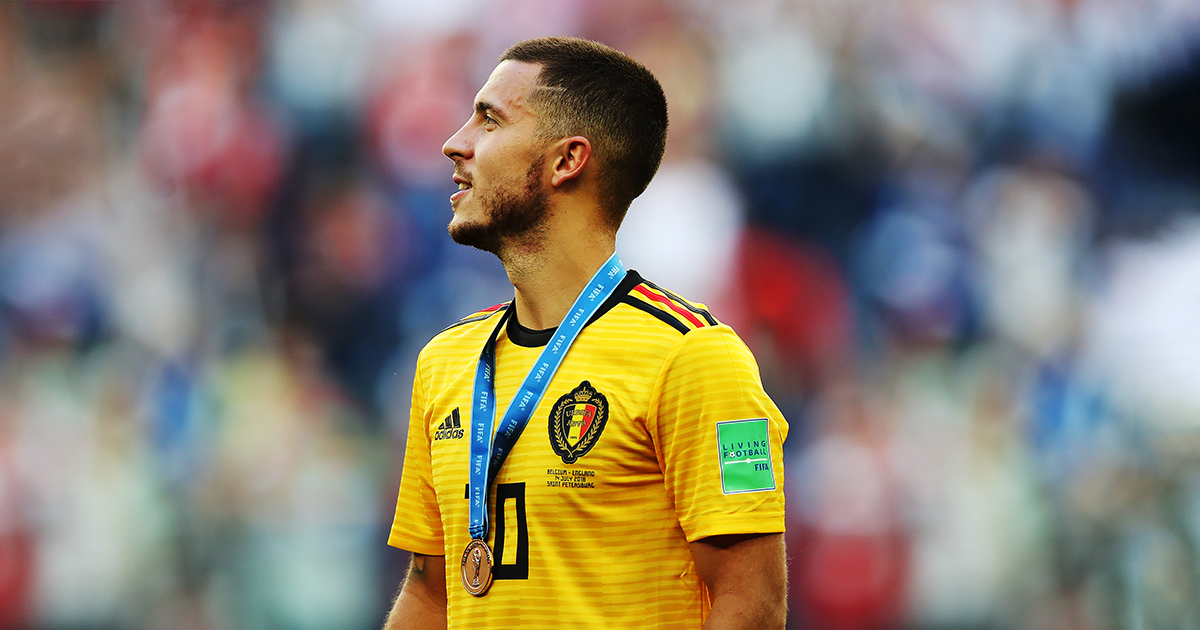
Even Hazard was attacked with the ‘missing in big games’ cliche. The Chelsea legend netted just two Champions League knockout goals – and one was a penalty. Yet in 2018, he was absolutely magical, his performance against Brazil one of the finest of the tournament (and the 85th best of all time, according to FourFourTwo). He scored three times: you couldn’t have asked much more.
Lukaku, meanwhile, came out of the tournament with four goals and an assist, following a first season at Manchester United (yeah, that really happened). And it’s fair to say that the years have not been kind to the striker’s big game reputation, either. Despite 93 goals for his nation at the time of writing – and 26 scored against teams who have reached the top 10 of FIFA’s ranks since he made his debut – abiding memories of Big Rom at World Cups are not the braces he put up against Panama and Tunisia in Russia: they’re of his disasterclass against Croatia four years later, and his cameo roles in the States, which are fairly fresh in the memory.
2018 was right about the time that the 25-year-old was midway through his target man conversion, too. Despite his strength and build, Lukaku was never the guy to hold the ball up and bring others into play, with his first touch oft-slammed: he was at his best on the shoulder of a defender, or alongside another Martinez (Lautaro, at Inter Milan). He became a worse player when the likes of Jose Mourinho and Thomas Tuchel tried to turn him into something that he wasn’t – yet at the 2018 World Cup, he was there to run into space, to bully defenders who couldn’t handle his movement, and to take on the thankless task of stretching play for Hazard and De Bruyne to work in, since Belgium didn’t really have another top-level runner in attack.
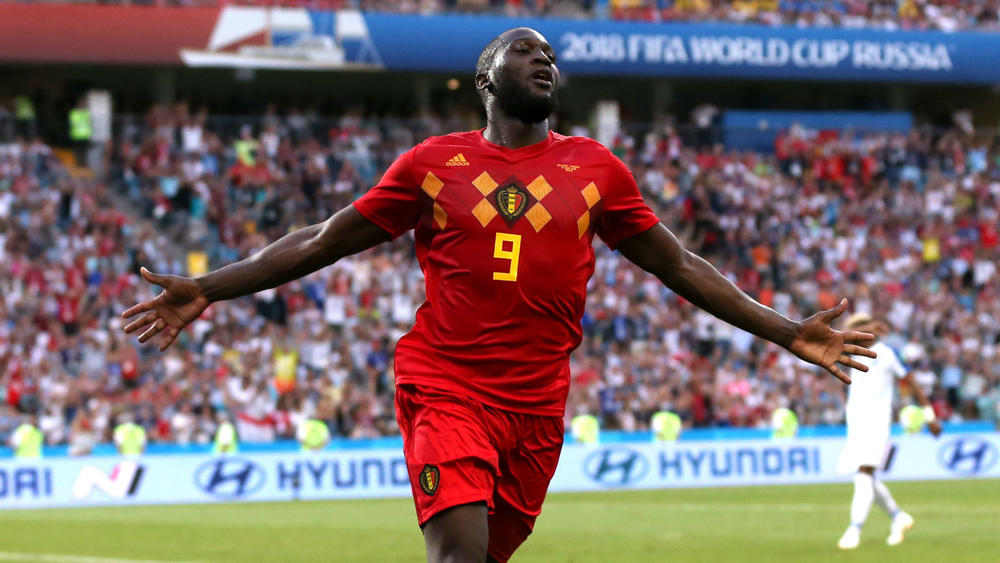
It’s levelled at Martinez that he should have done more with that frontline, all at their peak, at the 2018 World Cup. In the years since, there’s a very good case – almost watertight, in fact – that each of Hazard, De Bruyne and Lukaku had their very best international tournament that summer.
It’s pretty well-established, too, that they lost to the better team: France were miles better in every department – and the Belgians gave them their trickiest game. The Red Devils comfortably beat England twice (in two games that didn’t matter). They outplayed Brazil; yes, they went 2-0 down to Japan, but pulled it out the bag when it mattered.
Belgium had the second-best players in the competition, and lost to the team with the first-best. But they were brilliance without balance: a semi-final was a proper achievement.
And by the time the Euros rolled around three years later, the golden generation had passed them by – Kompany had retired, Vertonghen and Alderweireld were well past their expirations and this was Real Madrid-era Hazard – yet they still didn’t disgrace themselves. Three wins in the group stage (caveated by the fact they played an understandably shellshocked Denmark after Christian Eriksen’s cardiac arrest), before beating a very good Portugal, and losing to the eventual winners. Again, was it really an underachievement? Or simply what we all expected from this group?
It’s really easy to look at talent that a team has on paper and deem them a failure for not winning something. But it’s an oversimplification to wonder why a Croatian side who have very few star names – but stars in all the right places – often do better than a Portugal side who have standout attackers that struggle to gel together; or why England looked quite so poor trying to cram Jude Bellingham and Phil Foden into a midfield, when a team like Spain are quite happy to take off a big name like Pedri in the middle for Mikel Merino, if he offers them box threat.
International football is very rarely about who has the best squad, but who has the best moments. Belgium had very few players who have consistently pulled something from nothing in the biggest knockouts: they're all league specialists. And over the course of 38 games, Roberto Martinez would’ve been chastised for not finishing in a Champions League spot, at least, with the players he had at his fingertips. Across just seven matches, he probably did well to get to the last four of a major competition with Fellaini and Witsel in his engine room.
And maybe we’ve been harsh on him. Maybe the Wigan relegation and a fairly un-notable Everton stint have shaped the worldview that this is a guy you shouldn’t hand top-level talent to. No, he’s not a world-beater. No, he didn’t work miracles with Belgium. But did you really expect him to win the World Cup with that?