
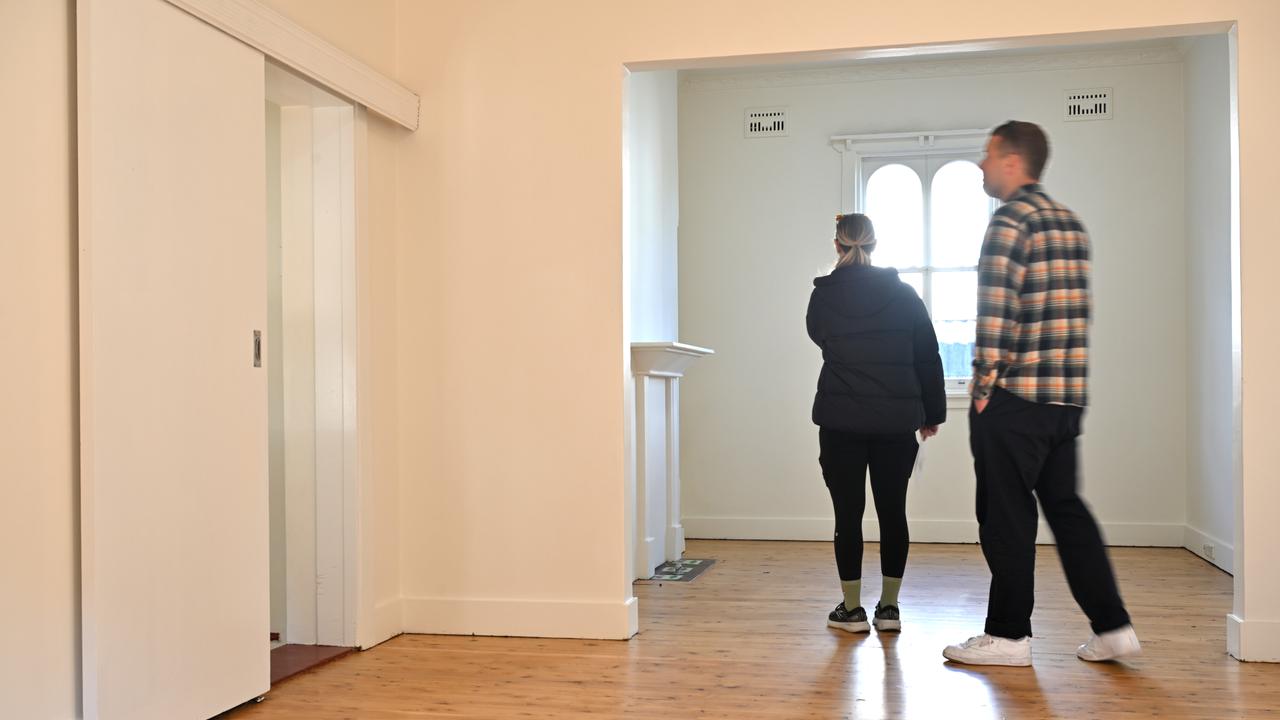
Lenders will be limited from writing too many risky home loans amid fears investors are causing the housing market to overheat.
The Australian Prudential Regulation Authority will limit high debt-to-income home lending from February, after seeing a pick-up in riskier borrowing as interest rates have fallen this year.
It hopes this will contain a build-up of housing-related vulnerabilities in the financial system and already high household indebtedness.
The banking regulator previously flagged concerns about a pick-up in lending to borrowers with a high debt-to-income ratio, which refers to those whose debt is more than six times their annual income.

Under the new limit, banks and other lenders will only be able to use up to 20 per cent of their lending capital to fund borrowings by owner-occupiers and investors pushing over that ratio.
A borrower taking out an average new mortgage of $694,000 would have to earn more than $115,666 a year to fit under a debt-to-income ratio of six.
Domain chief economist Nicola Powell said the measure was a proactive intervention to lower the risk to the financial system, rather than a circuit breaker for property prices.
"This cap is best understood as a guardrail being put in place before lending standards begin to loosen, not as a sudden handbrake on the market," Dr Powell said.
"APRA is acting pre-emptively, showing a light but firm touch at exactly the right time in the cycle, where we're seeing a lift in riskier lending, particularly among investors."
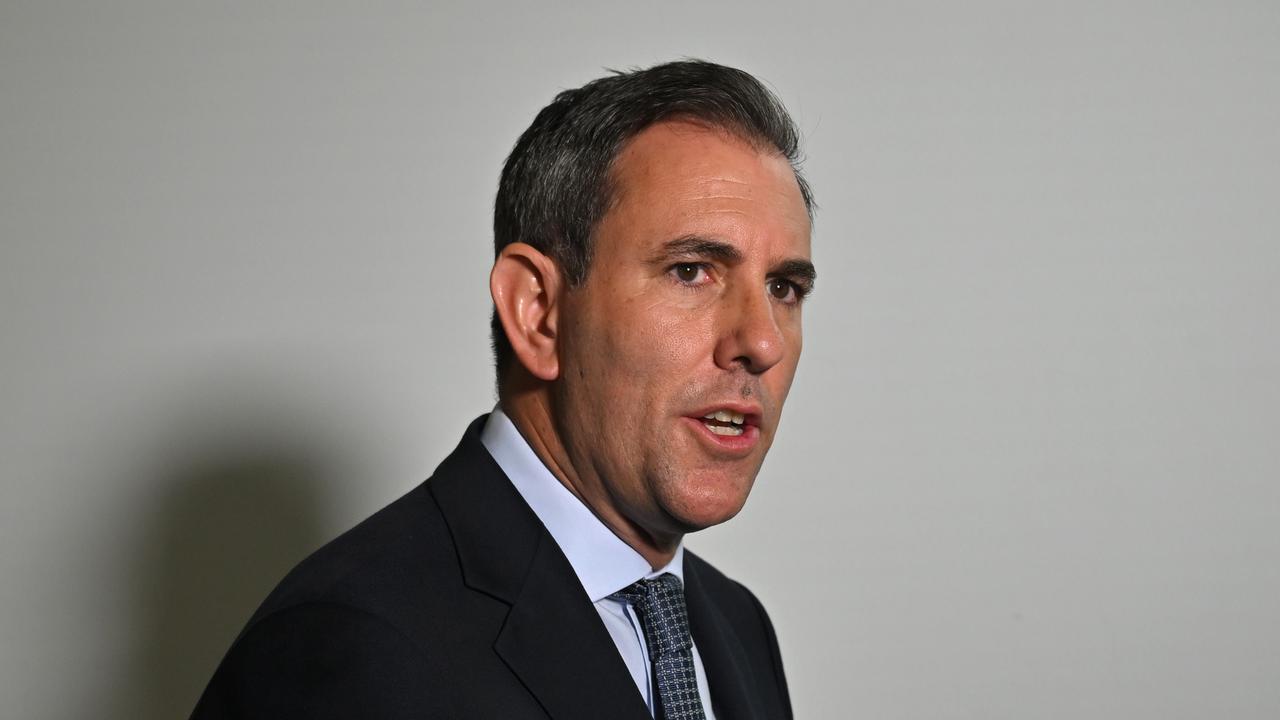
Treasurer Jim Chalmers said the change was prudent and would support responsible lending.
"These rule changes are an important way for the regulator to reduce risk in our economy," he said.
Greens senator Barbara Pocock said more needed to be done to curb "runaway" lending to investors.
Earlier in November, the Australian Bureau of Statistics revealed the number of home loans taken out by investors surged 13.6 per cent in the September quarter.
Senator Pocock wrote to APRA chair John Lonsdale shortly after urging the regulator to use its powers to slow lending to property investors.
"APRA must use all the tools in their toolbox to rein in investor lending that is exacerbating the housing affordability crisis," she said on Thursday.

Mr Lonsdale said strong investor activity can amplify housing lending and price cycles.
But the regulator isn't yet seeing signs of a broad-based build-up of housing vulnerabilities, including a deterioration in lending standards amongst investors.
"We will consider additional limits - including investor-specific limits - if we see macro-financial risks significantly rising or a deterioration in lending standards," he said.
APRA said only a small number of lenders were expected to be near the 20 per cent limit for high debt-to-income lending.
The limit was expected to have a higher impact on investors, who typically tend to borrow at higher debt-to-income ratios than owner-occupiers.
APRA imposed a 10 per cent cap on investor lending growth in 2014, but ended it in 2018, replacing it with a suite of more permanent measures to keep lending standards strong.