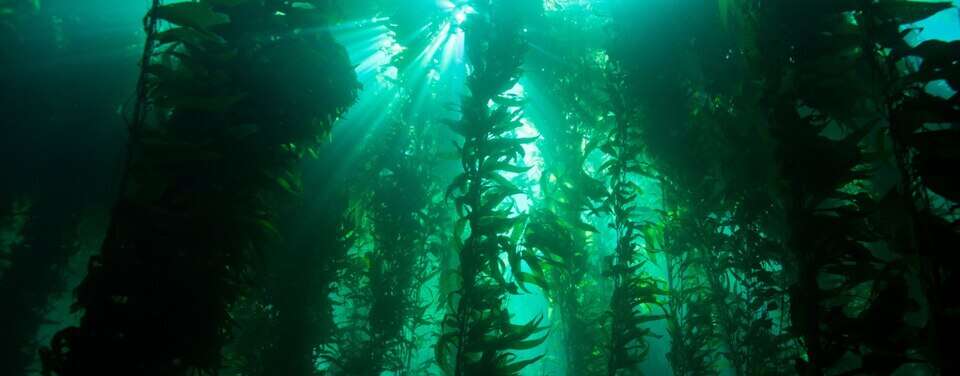
Extensive underwater forests of giant kelp once stretched off southern California, providing habitat, food, and breeding grounds for hundreds of marine species, according to NOAA . Over time, these forests gave way to barren reefs because of pollution, habitat destruction and rising sea urchin numbers.
Get breaking news anytime, anywhere. Download the TOI app now!
One of the project's most successful restoration sites was Escondido Beach. According to the Southern California Giant Kelp Restoration Project report (2002–2009), more than 30,000 sea urchins were removed from the restoration reef, reducing their density from an average of 13 individuals per square metre to 1.5 individuals per square metre.
Why did the kelp forests vanish in California?
Kelp forests are ecosystems built around rapidly growing giant kelp, which plays an important role in supporting biodiversity. In fact, according to the restoration report, the number of giant kelp in Southern California has decreased by almost 80 percent over the last hundred years.
Although storms and El Niño events often damage kelp beds, scientists say restoration is harder because of coastal pollution, sediment from development, overfishing of predators that kept sea urchin numbers in check, and the absence of southern sea otters.
Two-year underwater restoration efforts
The Southern California Giant Kelp Restoration Project was established in 2001 by the California Coastkeeper Alliance, together with Waterkeepers in Southern California and the National Oceanic and Atmospheric Administration (NOAA). The programme combined scientific monitoring with active restoration carried out by project biologists and volunteers.
One of the most successful restoration sites was Escondido Beach. For about two years, divers spent many hours underwater moving more than 30,000 sea urchins from rocky reefs where kelp forests could be anchored. As a result, sea urchin density dropped from an average of 13 individuals per square metre to 1.5 individuals per square metre.
The project also used other restoration methods. These methods included transplanting drifting kelp, planting juvenile kelp grown in the lab and at school, and monitoring the sites over several years. The report says natural predators such as southern sea otters, sheephead fish and spiny lobsters once controlled urchin populations.
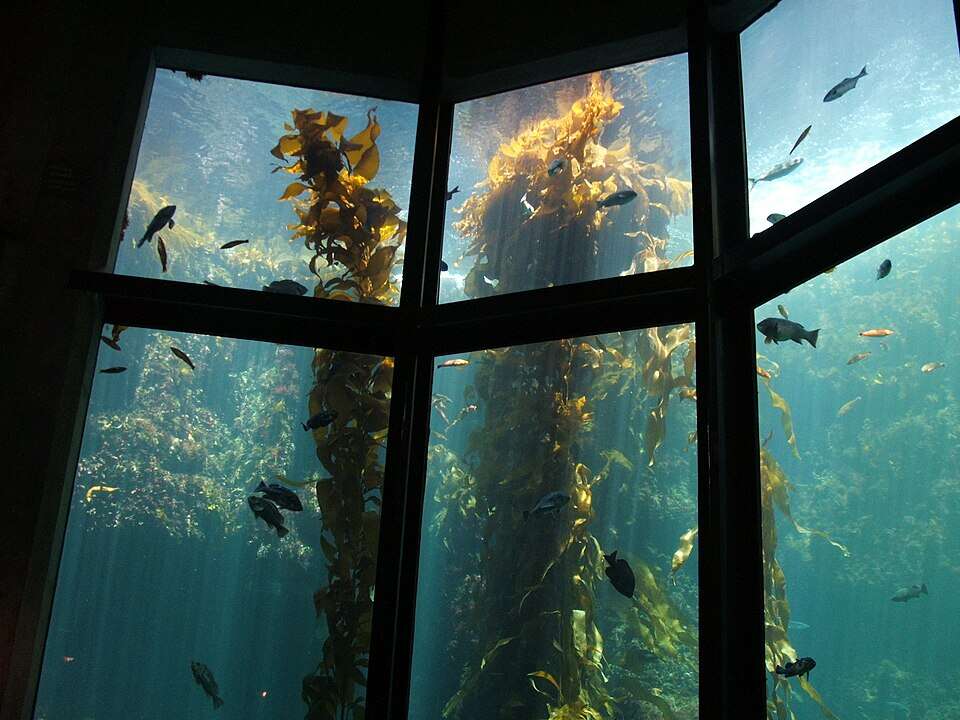
From bare reefs to kelp forests
The findings were significant. According to the project report, the restoration areas outgrew the adjacent natural kelp forest quickly, while the control areas remained urchin barrens. After just one year of relocating sea urchins, some restoration areas had become mature, stable kelp beds, showing that the ecosystem can recover when overgrazing is reduced. The project helped restore about 18,500 square meters of giant kelp forest habitat in Southern California.
Reasons for the sea urchin problem
Sea urchins normally graze on kelp, but balanced ecosystems keep urchin populations in check. The report says natural predators such as southern sea otters, adult sheephead fish, and spiny lobsters once controlled urchin populations. However, the disappearance of these predators led to growth in the urchin population, which in turn destroyed kelp forests. The report notes that, without intervention, urchins can destroy a kelp forest.
More than kelp restoration
Along with habitat restoration, the project became one of California's largest community marine conservation efforts. According to the report, hundreds of volunteer divers contributed several thousand underwater hours, while project biologists involved more than 14,000 students in learning about kelp ecosystems. Education campaigns reached more than a million people in Southern California with messages about marine ecosystem protection. The report concludes that kelp forest loss can be reversed by removing sea urchins, transplanting juvenile kelp and monitoring the habitat.