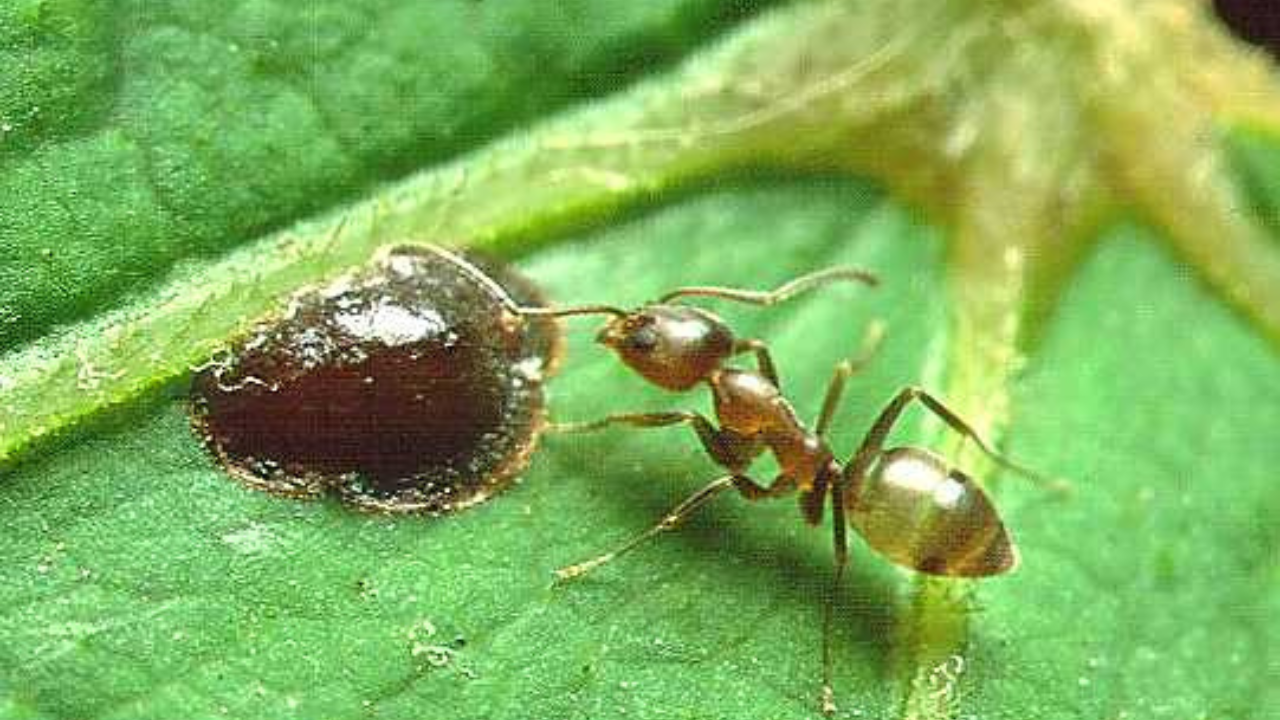
Long before most Californians noticed them marching across kitchen counters, Argentine ants had already transformed the state’s ecosystems. Introduced from South America in the late 19th century, the insects spread rapidly through California’s mild coastal climate, forming enormous interconnected “supercolonies” unlike anything seen in their native range. By the 1990s, they had colonised much of the state’s urban and coastal regions, displacing native ants over hundreds of miles. Their influence extends well beyond homes. According to the University of California , Riverside’s Center for Invasive Species Research, Argentine ants have become one of California’s most destructive invasive insects because they protect sap-feeding pests that damage crops while disrupting the natural predators that normally keep those pests under control.
Get breaking news anytime, anywhere. Download the TOI app now!
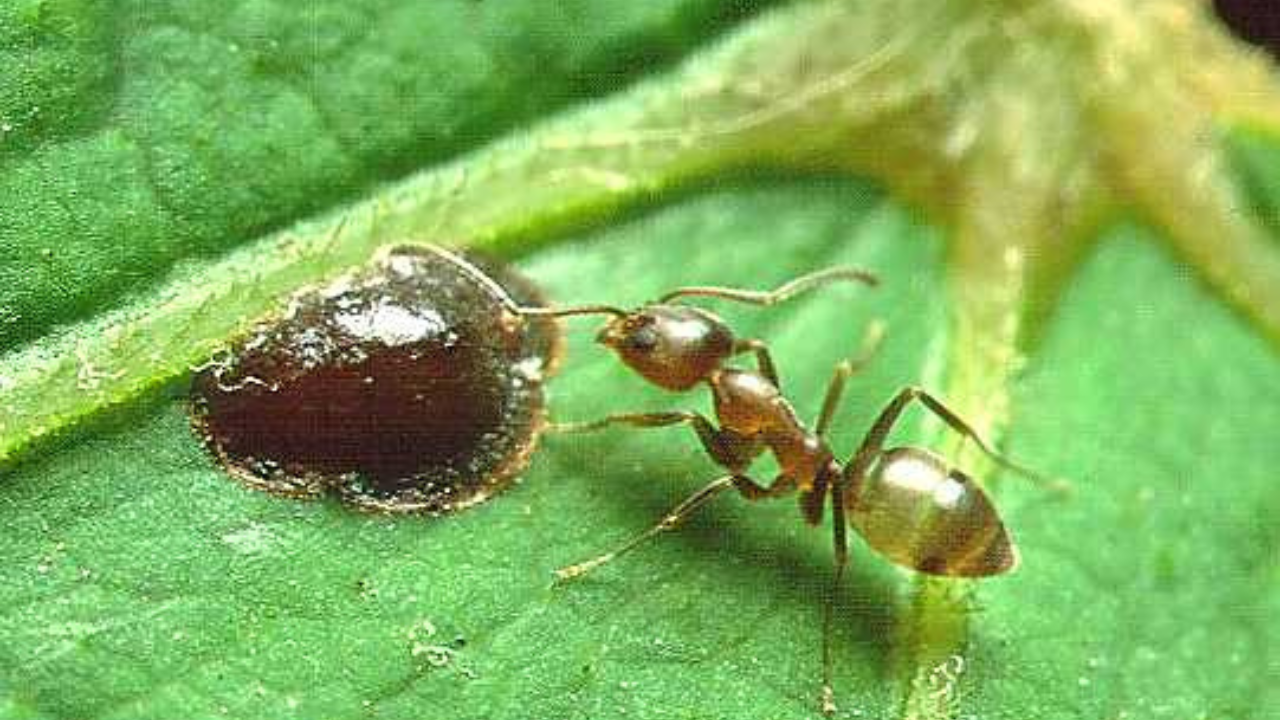
Why did these ants become so successful?
Argentine ants ( Linepithema humile ) reached the United States aboard cargo ships in the late 1800s, most likely hidden among imported agricultural products. Unlike many native ant species, neighbouring Argentine ant colonies in California rarely fight one another. Instead, millions of workers cooperate across vast territories, allowing them to overwhelm competing insects and monopolise food resources. Research by biologists at the University of California, San Diego, found that reduced genetic diversity in the introduced population helped create this unusual “supercolony” behaviour, enabling colonies stretching hundreds of miles along California’s coast. The ants thrive in irrigated landscapes, suburban gardens, and agricultural areas where water and sugary food sources remain available throughout much of the year.