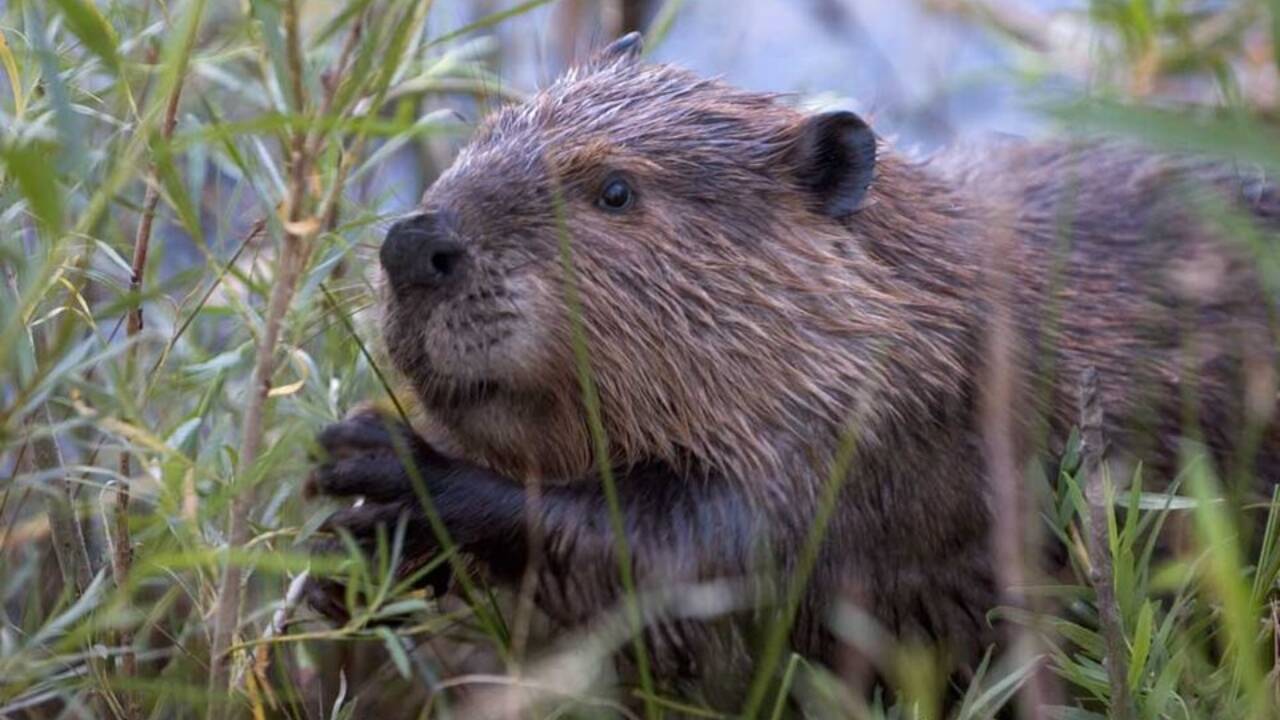
For decades, beavers were often seen as troublesome engineers whose dams flooded roads, farmland and residential areas. However, in Washington State, these same engineering skills are now being harnessed to restore rivers rather than removing the animals completely. According to the Tulalip Tribes Wildlife Program , the Tulalip Beaver Project relocates nuisance beavers from urban and suburban regions to degraded headwater streams in the upper Snohomish Watershed, where they naturally rebuild the wetlands, store freshwater and create habitats for salmon. By 2024, the project had become a notable example of nature-based restoration, showing how beavers can help address flooding, drought and declining fish populations.
Get breaking news anytime, anywhere. Download the TOI app now!
Turning what was considered a pest into ecosystem engineers
According to the Tulalip Tribes, nuisance beavers can cause infrastructural flooding and unwanted tree removal, including flooding homes, yards, farmland, or county roads, and thus were traditionally removed. However, instead, the wildlife biologists now capture these animals, temporarily house them in specially designed facilities and relocate them to carefully impaired tributaries in the upper Snohomish Watershed. Notably, before the beavers are released, restoration crews often construct beaver dam analogues (BDAs), which are human-built structures that mimic natural dams, to encourage the animals to remain at the site and begin expanding wetlands more efficiently and rapidly.
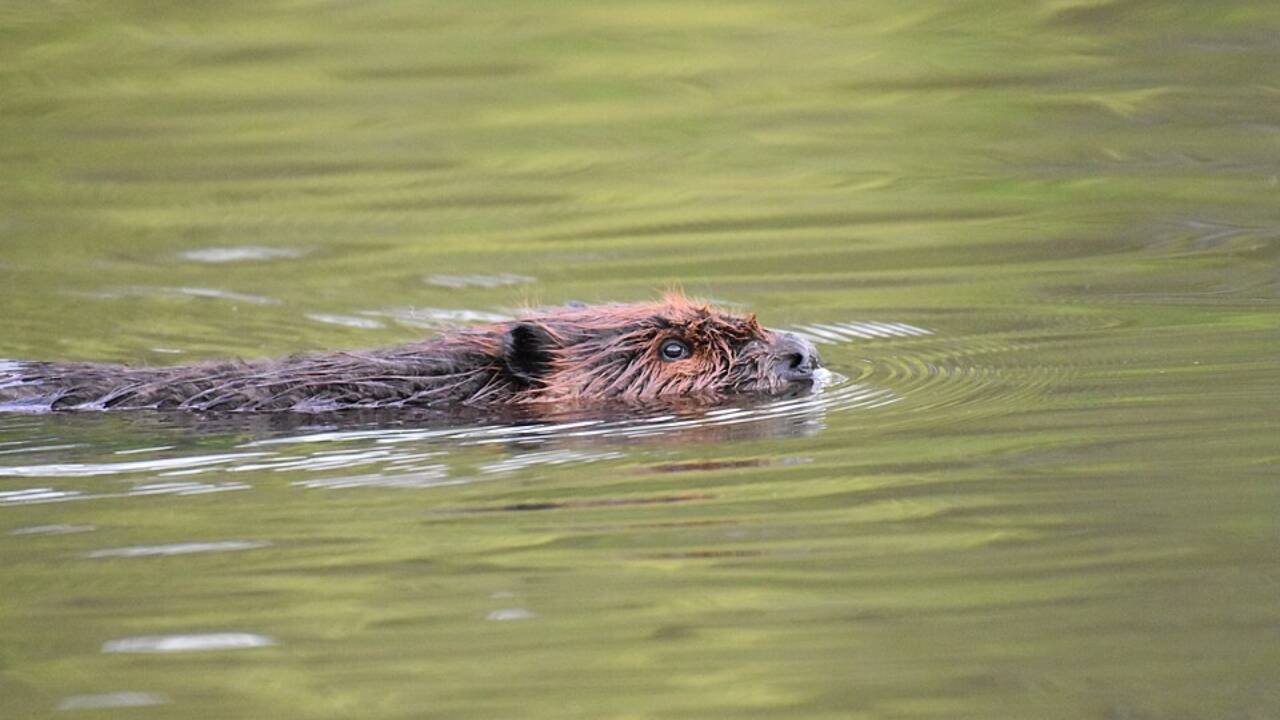
According to the Washington Recreation and Conservation Office ’s final project report, relocated beaver colonies are moved to Snohomish Watershed, where the wildlife managers uses beaver dam analogs, and expects new dams to hold water and change the timing of water exit seasonally. Therefore, instead of allowing stormwater to rush downstream, beaver ponds temporarily store runoff, thus reducing peak flows during heavy rainfall while slowly releasing water during dry months. Notably, scientists say that these natural processes improve groundwater recharge, reduce erosion and strengthen the watershed’s resilience as climate change brings longer summer droughts and extreme flooding during rainy seasons.
This became a lifeline for salmon and a buffer against floods
According to Tulalip Tribes, the project’s primary goal is the recovery of salmon, with beaver ponds creating deep, slow-moving pools where juvenile salmon can feed, rest and shelter from predators before they migrate downstream. Additionally, these restored wetlands trap sediment, which improves water quality and maintains cooler temperatures during summers, conditions that are important for threatened Chinook salmon and other native fish species in the Snohomish basin.
According to the Washington Department of Ecology’s Snohomish Watershed Plan, restoring beaver populations also addresses a broader ecological problem. Historical drainage, agriculture, and urban development eliminated many of the basin’s natural wetlands and floodplain ponds, thereby reducing salmon habitat and increasing downstream flood risks. The reintroduction of beavers, however, helps to reverse those challenges by rebuilding wetlands naturally, thus increasing water storage and restoring floodplain connectivity without relying only on engineered infrastructure.
This project reflects a growing shift in conservation thinking: instead of replacing natural processes with expensive infrastructure, managers increasingly seek to restore the species that perform those functions themselves. According to the Tulalip tribes, beavers increase fresh water storage, improve habitats for birds, amphibians, elk and deer, and strengthen ecosystem resilience throughout the watershed. It is worth noting that by 2024, completed Tulalip restoration projects had demonstrated how relocating beavers could improve hydrologic functions across headwater streams while reducing conflicts with humans in developed areas.