
Choosing the best heat pump isn’t like buying a new fridge or washing machine. You can’t just compare two outdoor units, pick the one with the highest efficiency rating and assume it will work perfectly in every home.
A heat pump’s real-world performance depends on far more than the brand name on the box. The size of your home, its insulation, radiator capacity, hot water needs, pipework, controls, outdoor unit position and the quality of the installation can all affect how efficiently it runs.
That’s why it’s important to note that this guide isn’t a long-term product test. We haven’t installed every heat pump in this list and monitored them over several winters. Instead, we’ve compared some of the UK’s best-known and most widely available air source heat pumps in the UK, using manufacturer specifications, installer availability, warranty information, noise credentials and drawing from customer reviews where available.
The aim is to help you understand which heat pumps are worth comparing when you start gathering quotes.
Get a free quote for a heat pump on your home
Use our free tool below to get a range of free quotes for heat pumps from some of the leading installers across the UK.
What is a heat pump and how does it work?
In short, a heat pump is an electric heating system that works by moving heat rather than creating it. The technology enables it to extract low‑level heat from the air or the ground outside your home and upgrade it to a higher temperature to provide heating and hot water.
Because heat pumps transfer energy instead of burning fuel, they can deliver more heat than the electricity they use. However, they work more efficiently at lower temperatures than gas boilers, which is why factors such as insulation and radiator size matter.
What are the different types of heat pumps?
The first choice most homeowners face is between an air source and a ground source heat pump.
Air source heat pumps are the most common option in the UK. They take heat from the outside air using a unit similar in size to an air conditioning system. Air source systems are generally cheaper and quicker to install and can work well in most homes with enough outdoor space.
Ground source heat pumps extract heat from pipes buried in the ground. They tend to be more efficient year‑round because ground temperatures are more stable than air temperatures – but installation is more disruptive and expensive. These systems are typically better suited to rural properties or homes with large gardens.
For most households, an air source heat pump will be the starting point, while ground source systems are more of a specialist option. Keep reading to find out more about choosing the right heat pump for your home.
How we chose these heat pumps
We looked for heat pumps that are available in the UK and likely to appear in quotes from manufacturers, MCS-certified installers or national energy brands. Where possible, we considered:
- UK availability
- Manufacturer reputation
- Output range
- Refrigerant type
- Seasonal efficiency claims
- Maximum flow temperature
- Noise credentials, including Quiet Mark certification where available
- Warranty information
- National installer availability
- Smart tariff or app integration
- Customer reviews, where relevant
Customer reviews can be useful, but they’re not always straightforward in helping you choose the best heat pump for your home. Many reviews of heat pump brands are actually reviews of installers, customer service teams, energy tariffs or boiler servicing rather than the heat pump unit itself. A poor installation can make a good heat pump perform badly, while a properly designed system can make a less glamorous model work well.
Before choosing any heat pump, it’s worth getting a room-by-room heat-loss calculation and quotes from more than one MCS-certified installer.
The top heat pump models at a glance
Heat pump |
Best for |
Installers that supply this model |
All-round performance |
Available through Vaillant and MCS-certified installers |
|
Established heat pump range |
Available through Mitsubishi Electric and many MCS-certified installers |
|
Retrofit flexibility |
Octopus Energy heat pumps may include Daikin, subject to survey |
|
National installer availability |
Octopus Energy heat pumps may include Grant Aerona, subject to survey |
|
Octopus customers and smart tariffs |
Octopus Energy |
|
Familiar UK heating brand |
Worcester Bosch installers and MCS-certified installers |
|
Quiet operation |
Samsung-approved and MCS-certified installers |
|
Premium cold-weather performance |
NIBE-approved and MCS-certified installers |
|
UK heating-brand option |
EDF Heat Pumps says it typically installs Ideal heat pumps |
|
Integrated install-and-support package |
Aira sells and installs its own system |
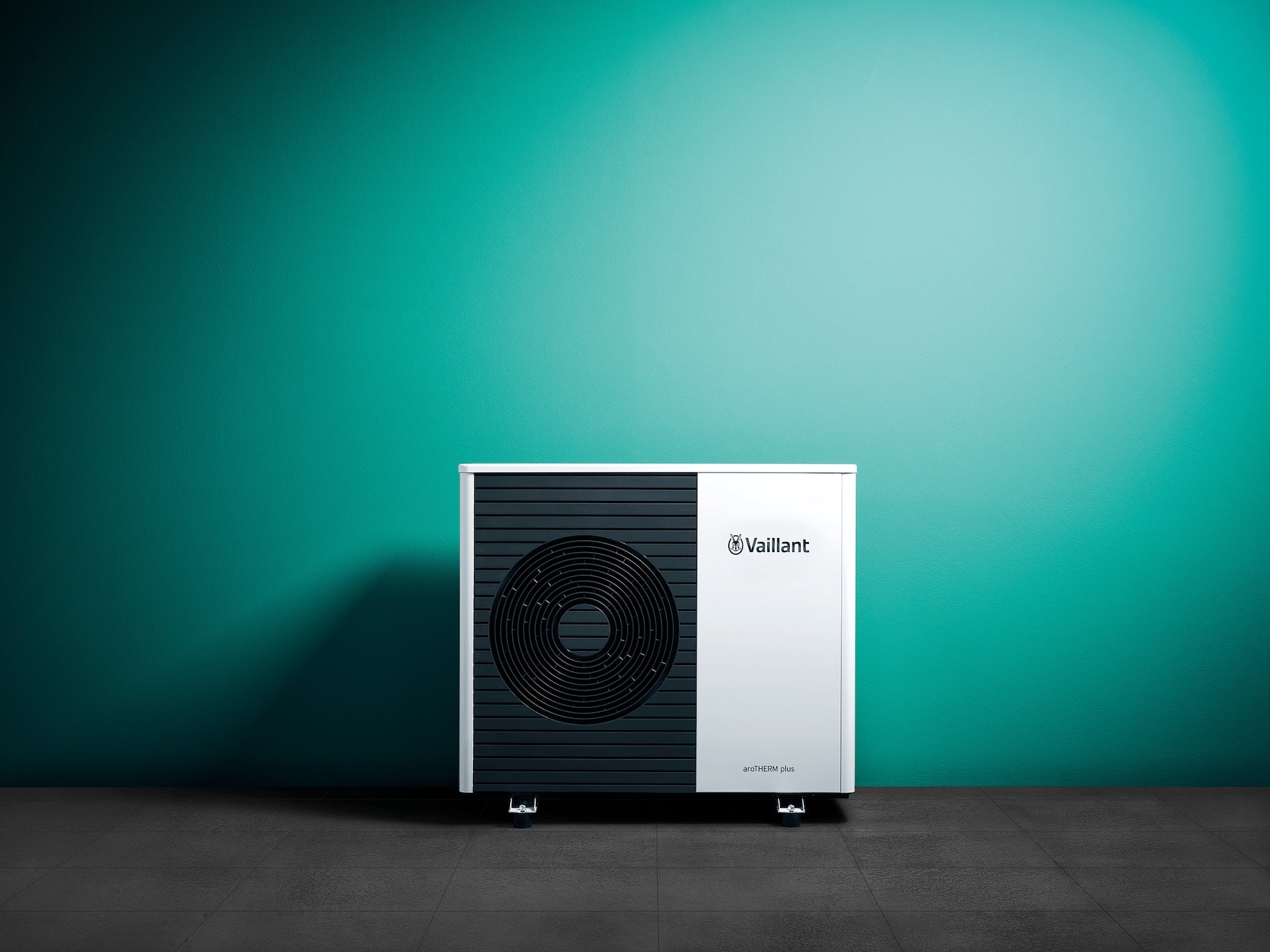
1. Vaillant aroTHERM plus
Best for
Homeowners who want a strong all-round heat pump from one of the UK’s best-known heating brands.
Key specs
The Vaillant aroTHERM plus is an air-to-water heat pump that uses R290 refrigerant. Vaillant says the range is available in outputs including 3.5kW, 5kW, 7kW, 10kW and 12kW, so it can suit a wide range of homes.
The aroTHERM plus can provide heating and hot water and is designed to work with Vaillant’s wider system controls and cylinders. Selected models are also recognised for quiet operation.
Available from
Vaillant-approved installers and MCS-certified local installers.
Pros
- Strong UK brand recognition
- Uses R290 refrigerant
- Broad range of outputs
- High-temperature capability
- Good fit for many retrofit projects when designed correctly
- Strong installer familiarity
Cons
- Likely to sit at the premium end of the market
- Installation quality is crucial
- Public customer reviews may relate to Vaillant boilers or servicing, not just heat pumps
Verdict
The Vaillant aroTHERM plus is one of the strongest all-round comparison options for UK homeowners. It’s a sensible place to start if you want a widely recognised heating brand, R290 refrigerant and a product that many installers are familiar with.
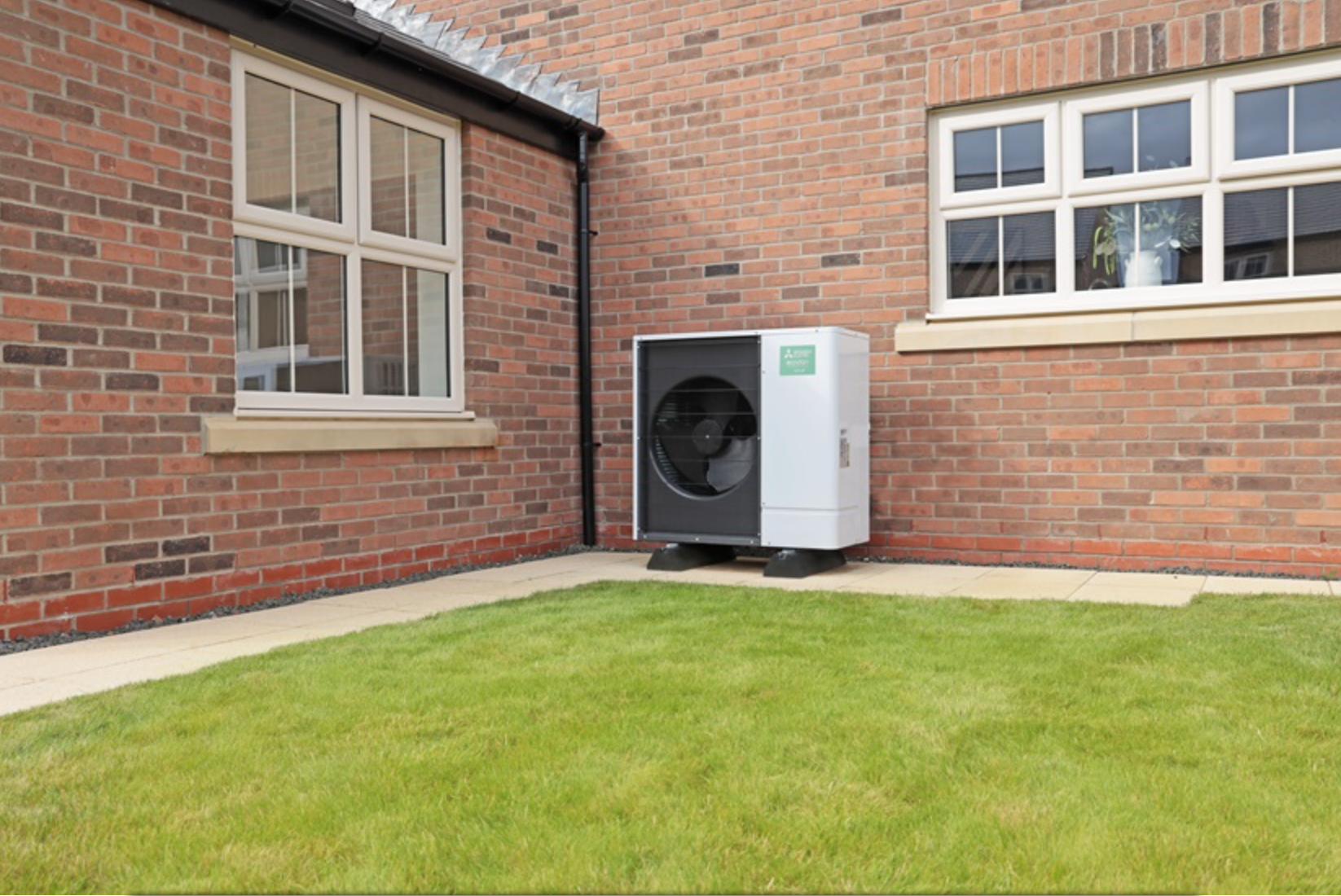
2. Mitsubishi Electric Ecodan R290
Best for
Homeowners who want an established heat pump range from a manufacturer with a long UK presence.
Key specs
The Mitsubishi Electric Ecodan R290 is part of one of the UK’s best-known heat pump families. Mitsubishi Electric says the R290 models offer A+++ heating efficiency at 35C, high water temperatures of up to 75C, MELCloud app compatibility and quiet operation.
The R290 range includes outputs such as 5kW, 6kW, 8.5kW, 10kW and 12kW, giving installers flexibility when specifying systems for different home sizes.
Available from
Mitsubishi Electric-approved installers and MCS-certified installers.
Pros
- One of the most established heat pump ranges in the UK
- Multiple outputs available
- R290 refrigerant on newer models
- High flow temperature capability
- App control through MELCloud
- Strong installer familiarity
Cons
- Ecodan is a broad range, so you’ll need to know exactly which model you’re being quoted
- Some reviews may relate to older R32 models rather than the newer R290 range
- Installation design will heavily influence performance
Verdict
The Mitsubishi Electric Ecodan R290 is a strong option for readers who want a heat pump from a proven manufacturer with a large UK footprint. It’s especially worth comparing if you want an established range rather than a newer market entrant.

3. Daikin Altherma 3
Best for
Homes where the installer wants flexibility, especially where a mid- or high-temperature heat pump may be needed.
Key specs
Daikin’s Altherma range is broad, so it’s important to compare like with like. The Daikin Altherma 3 M is a monobloc air-to-water heat pump designed to connect to underfloor heating, low-temperature radiators and heat pump convectors.
Daikin also offers high-temperature Altherma 3 models, such as the Daikin Altherma 3 H HT, which is positioned as an option for replacing an existing boiler.
Available from
Daikin installers, MCS-certified installers and, according to Octopus Energy’s heat pump information, Daikin may be included in an Octopus Energy heat pump quote, subject to survey.
Pros
- Major global heat pump manufacturer
- Wide range of models
- Mid- and high-temperature options available
- Useful for boiler replacement scenarios
- National installer link through Octopus, subject to suitability
Cons
- The Altherma 3 range can be confusing for consumers
- Specs vary significantly by model
- Warranty terms may depend on the installer and package
- You’ll need to confirm whether you’re being quoted a low-, mid- or high-temperature system
Verdict
Daikin Altherma 3 is a good option to compare if your home may need a more flexible retrofit system. Just make sure your quote identifies the exact model and explains why that version is right for your home.

4. Grant Aerona 290
Best for
Homeowners who want a known heating brand that’s also available through a major national installer.
Key specs
The Grant Aerona 290 is Grant UK’s latest air-to-water heat pump range. It uses R290 refrigerant and is available in a range of outputs for different property sizes.
Grant says the Aerona 290 is MCS approved and available with a seven-year guarantee when installed by an approved Grant installer. Octopus Energy also says its heat pump packages may include a Grant Aerona heat pump, subject to the home survey and quote.
Available from
Grant-approved installers and Octopus Energy, subject to property suitability.
Pros
- Uses R290 refrigerant
- Available through Octopus Energy
- Good range of outputs
- MCS approved
- Strong heating-sector reputation
- Long guarantee available through approved routes
Cons
- Less mainstream consumer brand recognition than Bosch, Samsung or Vaillant
- Warranty terms depend on installation route
- As with any heat pump, performance depends on design and commissioning
Verdict
The Grant Aerona 290 is one of the most useful inclusions in this list because it connects a recognised heating manufacturer with a national installer route through Octopus Energy. It’s a strong comparison option for readers gathering quotes from both local installers and large energy brands.
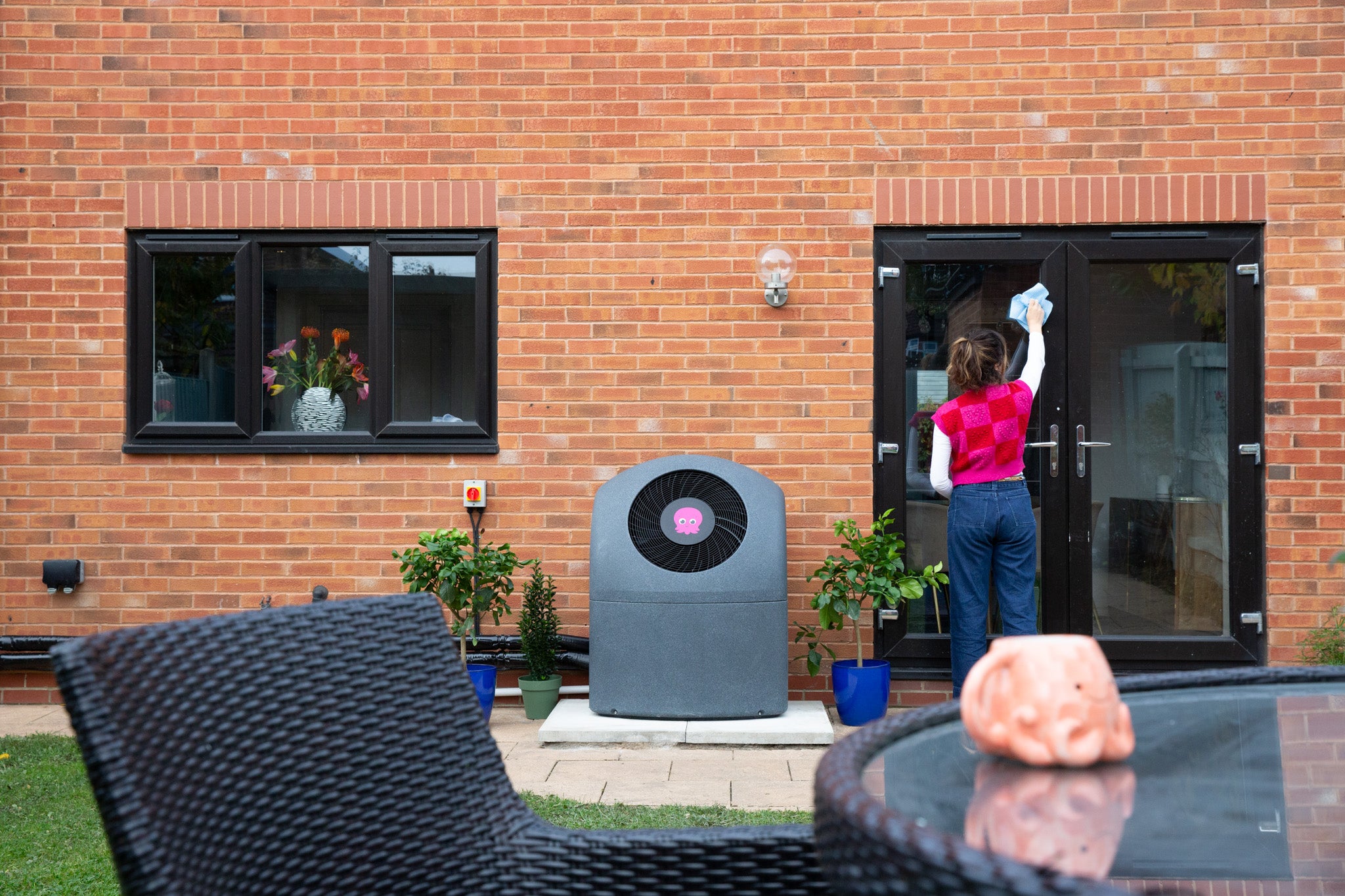
5. Octopus Cosy heat pump
Best for
Octopus customers, smart-tariff users and households that want a packaged heat pump installation from one national provider.
Key specs
The Octopus Cosy heat pump is different from most of the other entries in this guide because it’s not simply a manufacturer product sold through different installers. It’s part of Octopus Energy’s wider smart heating proposition.
Octopus says Cosy heating includes app control, software updates, an eight-year warranty and the ability to use Octopus’s heat pump-focused smart tariff, subject to eligibility and terms. Octopus also offers heat pump quotes that may include Cosy, Grant Aerona or Daikin systems, depending on the property.
Available from
Pros
- National installer package
- Strong smart-energy angle
- App-led control
- Designed to work with Octopus tariffs
- Eight-year product warranty on Cosy, according to Octopus
- Good option for readers who want one provider for survey, installation and aftercare
Cons
- Harder to compare directly with manufacturer-only heat pumps
- Less long-term public evidence than older heat pump ranges
- Suitability depends on Octopus’s home survey
- Readers should compare what’s included in the package against other quotes
Verdict
The Octopus Cosy heat pump is one of the most relevant options for UK readers, as many people now buy heat pumps as part of an energy supplier package. It’s particularly worth comparing if you’re already an Octopus customer or want a heat pump that can work closely with a smart tariff.
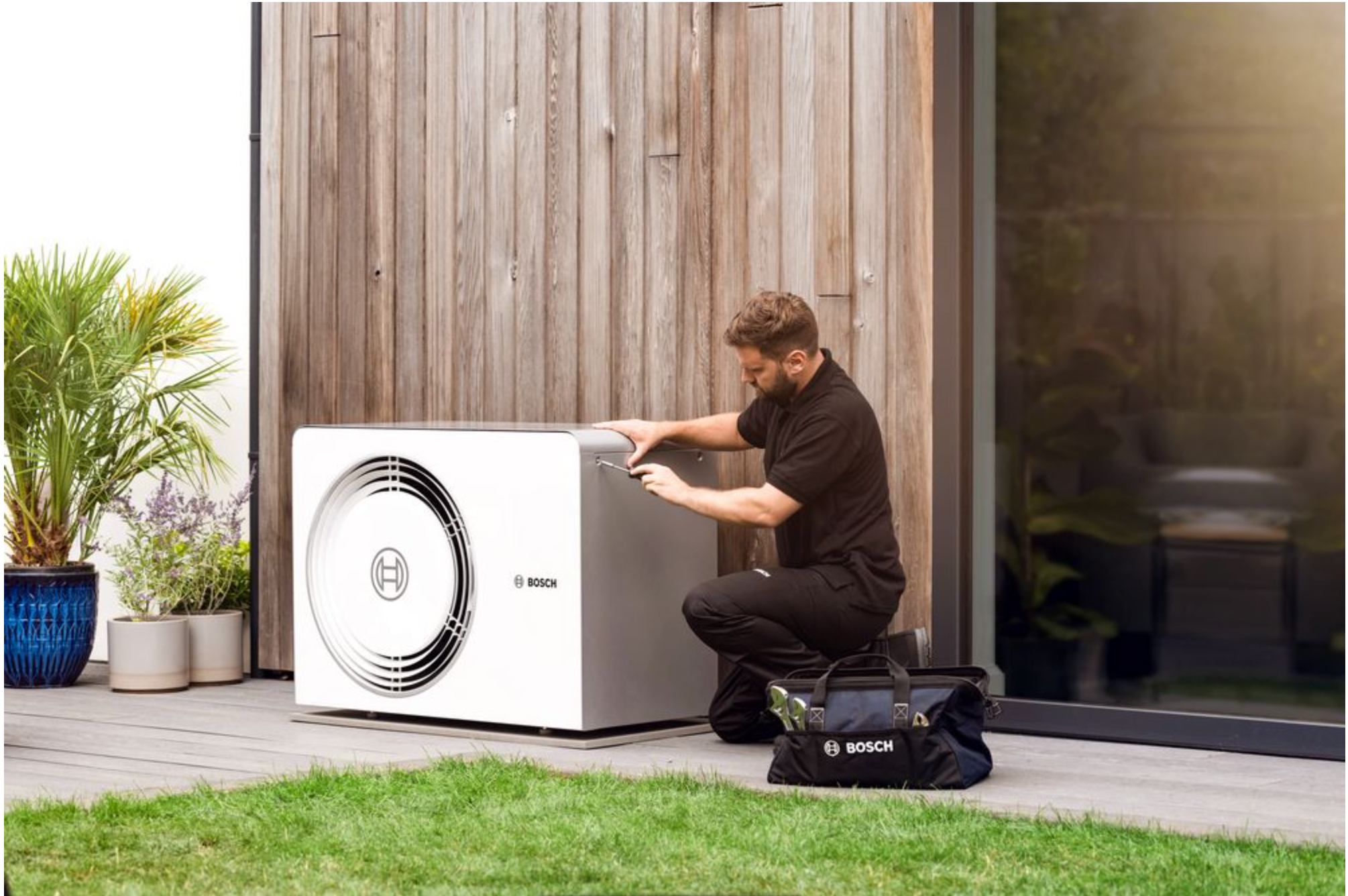
6. Worcester Bosch Compress 5800i AW
Best for
Readers who want a heat pump from a familiar UK heating brand.
Key specs
The Worcester Bosch Compress 5800i AW is an air-to-water heat pump designed for UK homes. Worcester Bosch describes it as its quietest heat pump and says it’s designed for both new-build and renovation projects.
The range uses R290 refrigerant and can deliver higher flow temperatures than some older low-temperature heat pump systems, making it relevant for homes replacing gas boilers.
Available from
Worcester Bosch installers and MCS-certified installers.
Pros
- Familiar name for UK boiler owners
- Designed for UK homes
- R290 refrigerant
- Quiet-focused design
- High-temperature capability
- Strong installer network
Cons
- Worcester Bosch is still better known for boilers than heat pumps
- Long-term heat pump-specific customer evidence may be more limited than its boiler reviews
- Public reviews of the brand may not reflect this product specifically
Verdict
The Compress 5800i AW is a strong contender for readers who trust Worcester Bosch as a heating brand and want a modern, quiet, R290 heat pump designed for UK homes.
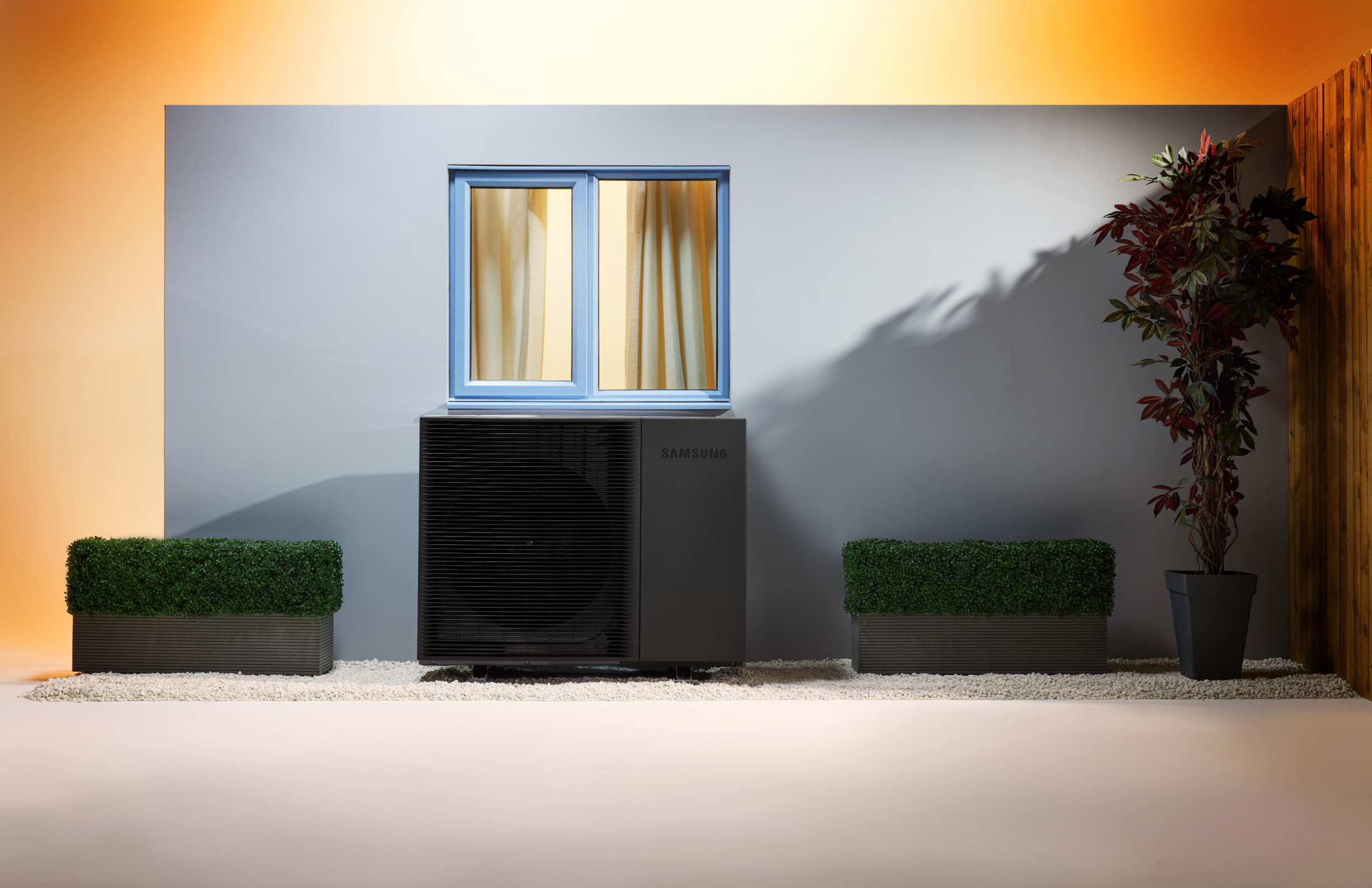
7. Samsung EHS Mono HT Quiet
Best for
Households where outdoor unit noise and design are major concerns.
Key specs
The Samsung EHS Mono HT Quiet is a high-temperature, low-noise air source heat pump. Samsung says it can provide efficient heating and hot water, with A+++ seasonal efficiency credentials under certain conditions.
It’s available in larger outputs, making it potentially suitable for homes with higher heating demands, provided a proper heat-loss calculation is performed.
Available from
Samsung-approved installers and MCS-certified installers.
Pros
- Quiet-focused design
- Recognisable technology brand
- High-temperature operation
- Modern appearance
- Potentially useful for larger homes
Cons
- Samsung isn’t as closely associated with UK wet heating systems as brands such as Vaillant, Grant or Worcester Bosch
- Installer familiarity may vary
- Product reviews need to be separated from broader Samsung appliance reviews
Verdict
The Samsung EHS Mono HT Quiet is worth comparing if noise is one of your biggest concerns. It may be especially relevant where the outdoor unit needs to be placed close to living spaces or neighbouring properties, although siting and installation will still be critical.
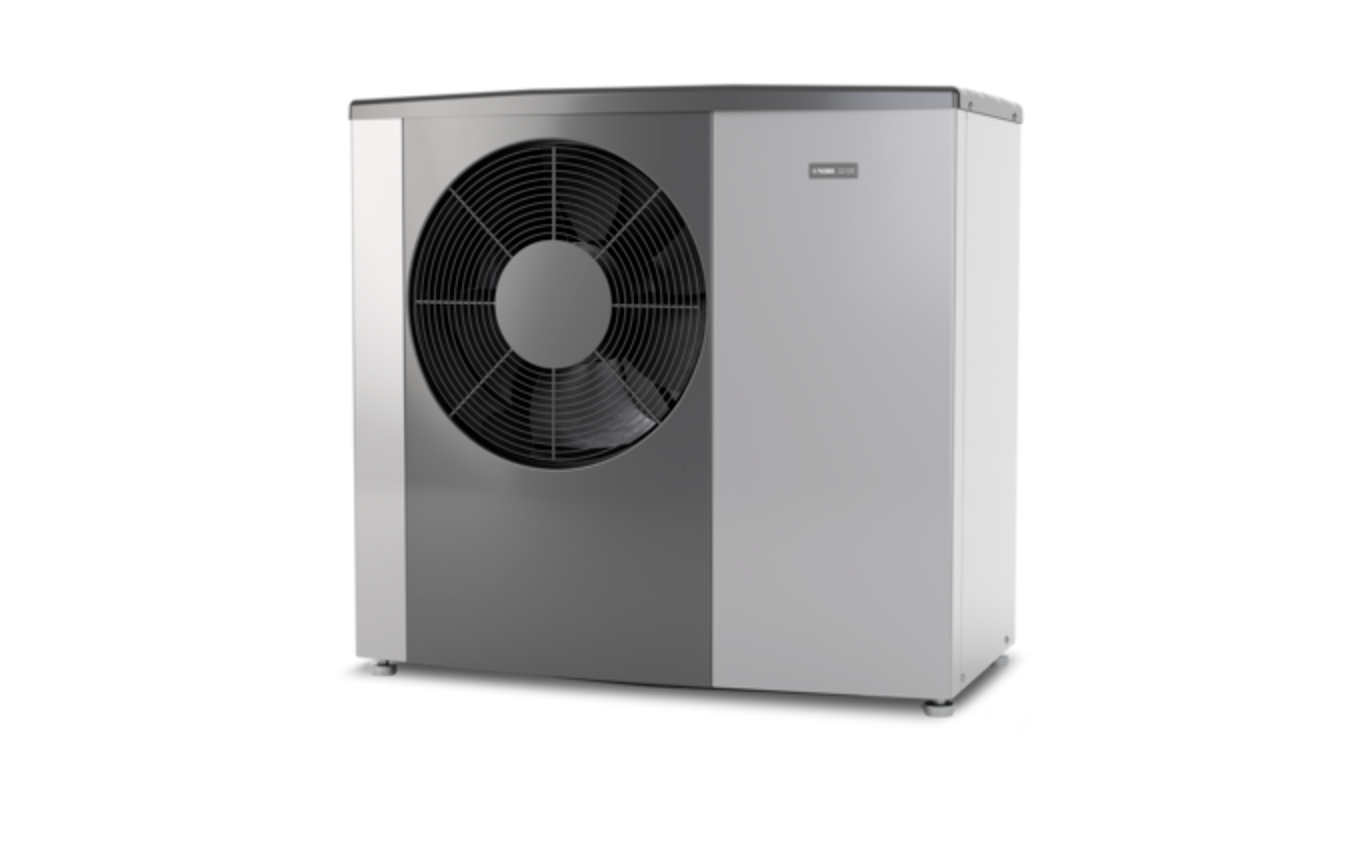
8. NIBE S2125
Best for
Premium buyers and homes where cold-weather performance is a priority.
Key specs
The NIBE S2125 is an inverter-controlled air-to-water heat pump from the Swedish manufacturer NIBE. NIBE says the S2125 is Quiet Mark certified and can continue operating in temperatures as low as -25C.
It’s designed to work with NIBE indoor modules and controls, creating a complete heating and hot water system.
Available from
NIBE-approved installers and MCS-certified installers.
Pros
- Strong Nordic heat pump heritage
- Designed for cold-weather performance
- Quiet Mark certification
- Premium control system
- Can integrate with wider NIBE system components
Cons
- Likely to be a premium-priced option
- Requires a knowledgeable installer
- May be less familiar to some UK homeowners than Vaillant, Bosch or Samsung
- Best suited to readers comparing higher-end systems
Verdict
The NIBE S2125 is a good premium benchmark. It’s worth considering if you want a heat pump from a manufacturer with deep cold-climate experience and are prepared to compare higher-end quotes.
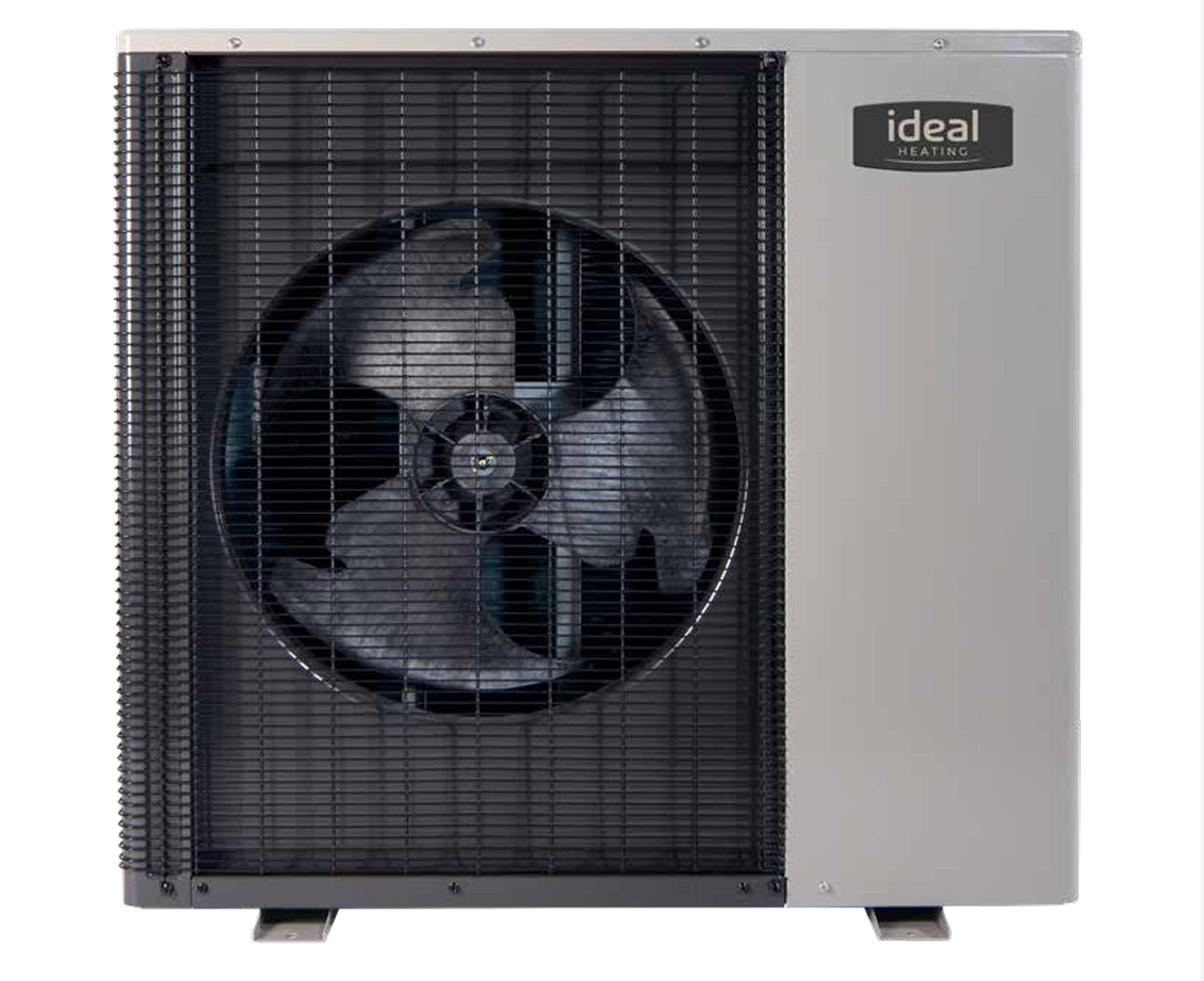
9. Ideal Logic Air
Best for
Readers who want a UK heating-brand option with a national installer link through EDF.
Key specs
The Ideal Logic Air is a monobloc air source heat pump designed to provide heating and hot water. Ideal says the range is designed for UK homes and offers simple, efficient low-carbon heating.
Ideal also highlights Quiet Mark approval, UK customer support and compatibility with smart grid and solar PV systems on its Logic Air information pages.
Available from
Ideal installers and EDF Heat Pumps. EDF says it typically installs Ideal heat pumps, although it may recommend an alternative if another model is a better fit for the home.
Pros
- Familiar UK heating brand
- National installer connection through EDF
- Designed for UK homes
- Quiet Mark approval
- May appeal to homeowners replacing an Ideal or other gas boiler
Cons
- Lower profile in heat pump comparisons than Vaillant, Mitsubishi Electric or Daikin
- Some competing models use R290 refrigerant, while Logic Air models should be checked for the exact refrigerant and specification
- Controls and aftercare should be checked carefully in the quote
Verdict
The Ideal Logic Air is worth including because it reflects the way many UK households will encounter heat pumps: through a familiar heating brand and a national installer such as EDF. It’s a practical comparison option rather than the flashiest product on the list.
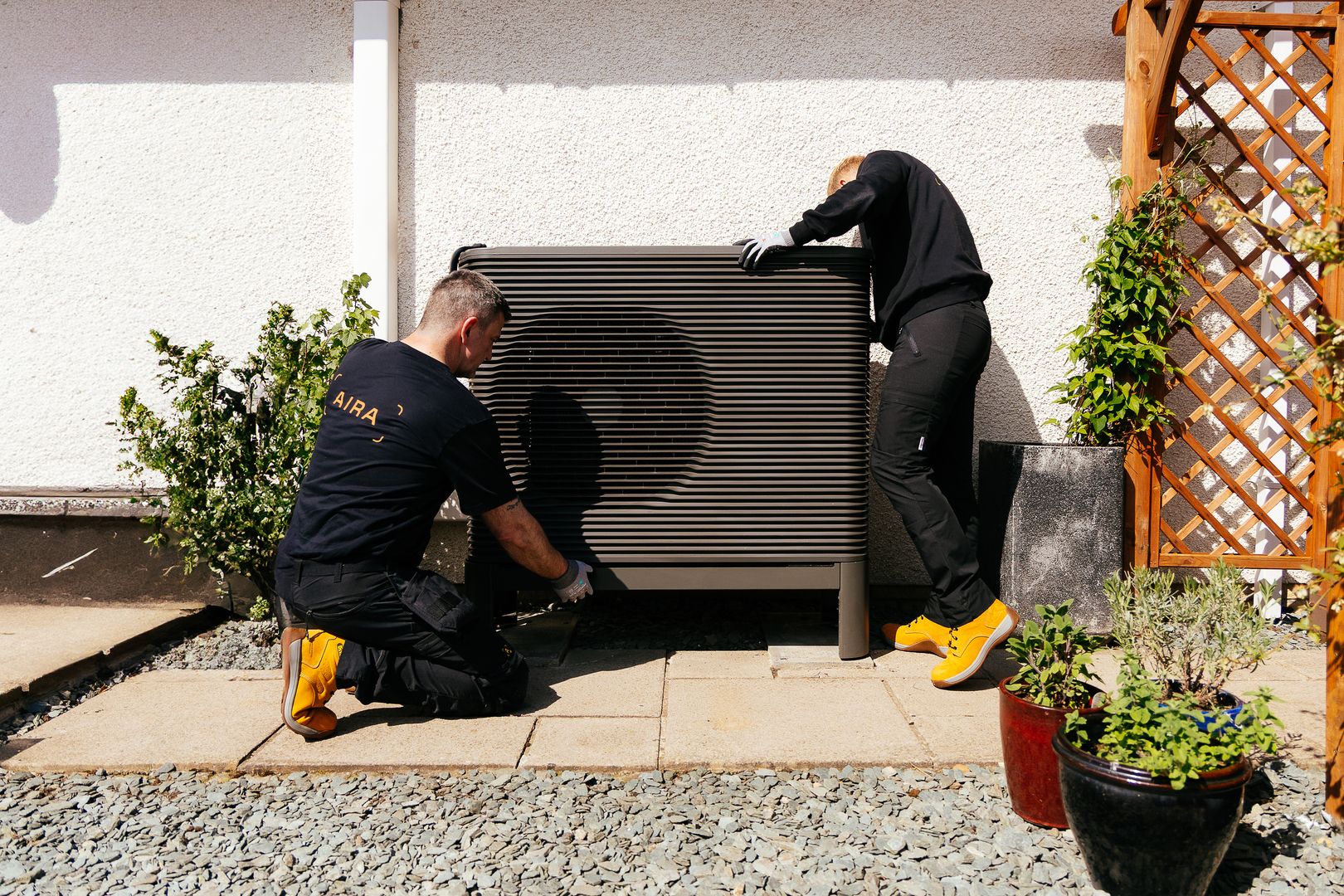
10. Aira Heat Pump
Best for
Homeowners who want an all-in-one heat pump package from a specialist provider.
Key specs
Aira sells and installs its own heat pump system, rather than acting only as a marketplace for other brands. Its heat pump package can include the outdoor unit, indoor unit, cylinder, buffer tank, thermostat and app-based controls, depending on the home.
This makes Aira closer to Octopus Cosy than to a traditional manufacturer-only product.
Available from
Pros
- Integrated product and installation model
- Specialist heat pump provider
- App-based control
- Package approach may simplify the buying process
- Useful alternative to energy-supplier-led offers
Cons
- Less directly comparable with manufacturer-only units
- Availability may vary by area
- Customers should check exactly what’s included in the quote
- Public reviews may relate to survey, sales, installation or aftercare rather than the unit alone
Verdict
Aira is worth comparing if you want a single company to handle the product, installation and support. It’s best understood as a heat pump service package rather than simply an outdoor unit.
Which heat pump is best for your home?
The best heat pump depends on your property, budget and how you want to buy. Some homeowners will prefer a local MCS-certified installer who can choose from several manufacturers. Others may prefer a national provider such as Octopus, EDF, British Gas, E.ON Next, OVO or Aira.
The table below breaks down some of the common priorities people have when seeking a heat pump, and which models best fit those needs.
Your priority |
Heat pumps and providers to compare |
You want a national installer package |
Octopus Cosy, Grant via Octopus, Daikin via Octopus, EDF/Ideal, British Gas/Hive, E.ON Next, OVO, Aira |
You want a familiar heating brand |
Vaillant, Worcester Bosch, Grant, Ideal |
You want an established heat pump range |
Mitsubishi Electric Ecodan, Daikin Altherma, NIBE |
You want a quiet model |
Samsung EHS Mono HT Quiet, Vaillant aroTHERM plus, Grant Aerona 290, NIBE S2125, Worcester Bosch Compress 5800i AW |
You want smart tariff integration |
Octopus Cosy, British Gas/Hive, E.ON Next |
You may need higher flow temperatures |
Daikin Altherma 3, Worcester Bosch Compress 5800i AW, Mitsubishi Electric Ecodan R290, Vaillant aroTHERM plus |
One of the biggest misconceptions about heat pumps is that they only work in new-build homes. In reality, many older properties can use them successfully, but preparation is key.
Heat pumps work best in homes with low heat loss, which makes insulation one of the most important factors. Well-insulated lofts, cavity or solid wall insulation, and effective draught-proofing all help a heat pump maintain steady indoor temperatures without working harder than necessary.
Radiators and heat emitters also matter. Because heat pumps run at lower flow temperatures than gas boilers, homes may need larger radiators or additional heat emitters to distribute warmth evenly. In some properties, underfloor heating can be an efficient option, but it is not essential for most installations.
The age and layout of a property can influence how much work is needed. Older homes with solid walls or limited insulation can still be suitable, but may require upgrades before installation. This does not mean heat pumps are unsuitable; rather, it means that they need to be part of a wider approach to improving energy efficiency.
Outdoor space is another consideration. Air source heat pumps need a clear external area with good airflow and minimal obstruction, while ground source systems require sufficient land for trenches or boreholes. Noise levels are generally low, but positioning should still be considered, particularly in terraced or semi-detached homes.
Ultimately, suitability is not about the age of your home or where you live, but about how much heat your property loses. A professional home survey and heat-loss assessment are essential to confirm whether a heat pump will work well and what upgrades might be needed.
What size heat pump do I need?
Getting the size of a heat pump right is critical. Unlike gas boilers, heat pumps cannot simply be oversized “just in case”.
Installers use a heat‑loss calculation to assess how much heat your home loses on the coldest days. This determines the output your heat pump needs to maintain a comfortable indoor temperature. An undersized system may struggle in winter, while an oversized one can cost more and run less efficiently.
This is why a detailed home survey is so important before committing to an installation.
How much do the best heat pumps cost?
Heat pump installation costs vary widely because the outdoor unit is only part of the job. A quote may also include:
- A hot water cylinder
- New or upgraded radiators
- Pipework changes
- Electrical work
- Controls
- Outdoor unit base or wall mounting
- Removal of the old boiler
- System flushing
- Commissioning
- Making good after installation
The Boiler Upgrade Scheme currently offers £7,500 towards an air source heat pump in England and Wales for eligible homes. The scheme is installer-led, which means an MCS-certified installer applies for the grant on the homeowner’s behalf.
A low headline price may not be the best deal if important work is excluded. Always check whether the quote includes all radiators, controls, labour, electrical work, scaffolding if needed, warranties and aftercare.
What specs matter when comparing heat pumps?
Output size
A bigger heat pump isn’t automatically better. Oversizing can make a system cycle on and off more often, which may reduce efficiency and comfort. The installer should calculate your home’s heat loss before recommending a size.
SCOP
SCOP stands for seasonal coefficient of performance. It estimates how efficiently a heat pump works over a heating season. A higher SCOP is better, but real-world performance depends on the home and installation.
Flow temperature
Flow temperature is the temperature of the water sent around your radiators or underfloor heating. Heat pumps are usually most efficient at lower flow temperatures, but some homes may need higher-temperature models or larger radiators.
Refrigerant
Many newer heat pumps use R290 refrigerant, which has a much lower global warming potential than some older refrigerants. It’s increasingly common in new high-performance air source heat pumps.
Noise
Modern heat pumps are designed to be relatively quiet, but siting matters. Avoid placing the outdoor unit too close to bedroom windows, neighbouring properties or narrow spaces where sound can echo.
Warranty
Check exactly what the warranty covers and whether it depends on using an approved installer, registering the product or having the system serviced annually.
Which heat pump should you choose?
The best heat pump is the one that’s been correctly sized, properly designed and installed well. Brand matters, but it’s only one part of the decision.
If you want a strong all-rounder, the Vaillant aroTHERM plus is a good benchmark. If you want an established heat pump range, Mitsubishi Electric Ecodan and Daikin Altherma are both worth comparing. If you want a national-installer package, Octopus Cosy, Grant Aerona via Octopus, Ideal via EDF, British Gas/Hive, E.ON Next, OVO and Aira are useful places to start.
For quiet operation, look closely at Samsung EHS Mono HT Quiet, NIBE S2125, Vaillant aroTHERM plus, Grant Aerona 290 and Worcester Bosch Compress 5800i AW. For a familiar UK heating brand, Worcester Bosch, Ideal, Vaillant and Grant will appeal to homeowners moving away from gas boilers.
But whichever brand you choose, the same rule applies: get more than one quote, check the installer’s MCS certification, ask for the heat-loss calculation and make sure the proposed system is designed around your home rather than the other way around.