New Delhi: A sharp shift by bulk diesel consumers to retail petrol pumps due to a Rs 40-42 per litre price gap has led to a surge in fuel demand at some locations in India, although the government said supplies remain ample and stable.
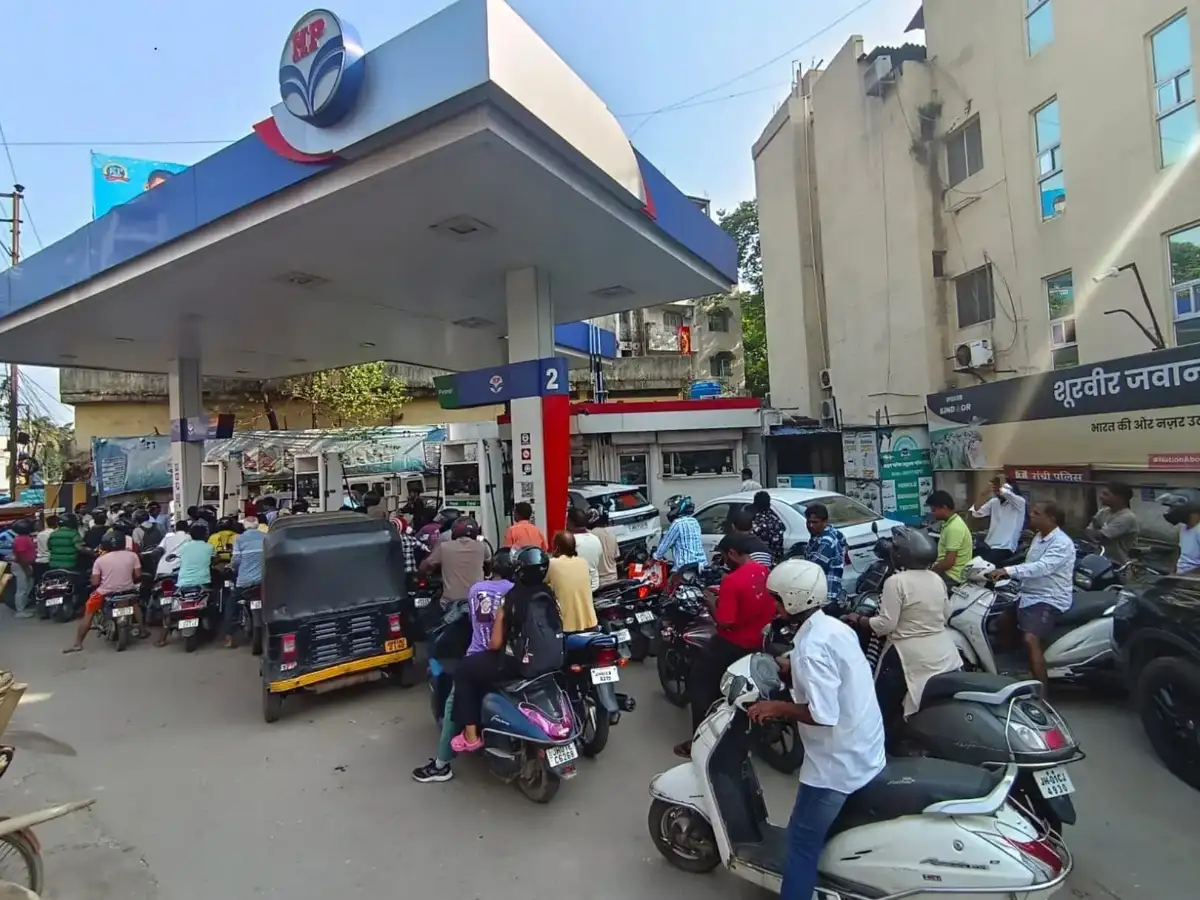
Demand at some petrol pumps has risen 20-30 per cent, driven partly by the agricultural season and partly by bulk consumers moving purchases to retail pumps, Sujata Sharma, Joint Secretary in the Ministry of Petroleum and Natural Gas, said.
This is primarily why a few petrol pumps in some areas are facing a dry-out-like situation.
"The price difference between diesel for bulk sales and that available at petrol pumps is Rs 40-42 per litre," she said.
While petrol pumps serve fuel to cars and two-wheelers, bulk buyers such as state road transport buses and telecom towers using diesel in power gensets are supposed to purchase the fuel from bulk supply points.
Fuel at petrol pumps is being sold at rates below cost, while bulk supplies are normally at market price.
Sharma said higher demand was also being seen at state-run fuel stations because of lower prices compared with private retailers.
"Petrol pumps generally have stocks of two to three days, and if they see 20-30 per cent growth in demand, they may temporarily face some issues... after all, there are last-mile logistics issues (in reaching fuel)," she added.
Sharma said the government was closely monitoring supplies at outlets witnessing unusually high demand and coordinating with state administrations and local police wherever required.
"There is no issue in product supply," Sharma said. "I would again appeal that citizens should not resort to panic buying and should not believe rumours. They should purchase as per the need."
Also read: India’s next big energy bet may come straight from China’s coal handbook
The comments come amid concerns over fuel supplies following disruptions linked to the West Asia crisis.
"The government of India has taken all possible steps to ensure that common people are inconvenienced the least," Sharma said.
India has sufficient supplies of crude oil, petrol, diesel and LPG, while refineries are operating at 'optimum capacity' to meet domestic demand, she said.
"We have sufficient supplies of crude oil, natural gas, petrol and diesel," Sharma said. "Our refineries are operating at optimum capacity to meet the demand of the country.
India's monthly diesel production stands at around 10 million tonnes against consumption of about 8.5 million tonnes, she added.
On cooking gas supplies, Sharma said the government had ramped up domestic LPG production to offset disruptions linked to the West Asia crisis.
"We are an import-dependent country. 60 per cent of our LPG demand is imported and of this, 90 per cent comes through the Strait of Hormuz," which is effectively shut because of the West Asia conflict, she said.
According to Sharma, refineries had increased LPG output by diverting streams previously used for petrochemicals production.
"The refineries are producing 46,000-47,000 tonnes of LPG every day," she said.
India had also undertaken "demand-side management" by increasing the gap between LPG refill bookings and prioritising household cooking needs over industrial consumption, she said.
"Hundred per cent cooking requirements of household kitchens were met by prioritising supplies while cutting those of industrial users," Sharma said.
Sharma added that India's refineries had operated at 105 per cent of nameplate capacity in the previous fiscal year.
"To say that there is a shortfall of petrol and diesel at any place is incorrect," she said.
She also said the government had previously compensated state-run oil marketing companies for losses on subsidised LPG sales.
"In 2023, Rs 22,000 crore was provided, and last year Rs 30,000 crore was provided to them," Sharma said. "When there was a need, the government of India supported OMCs."