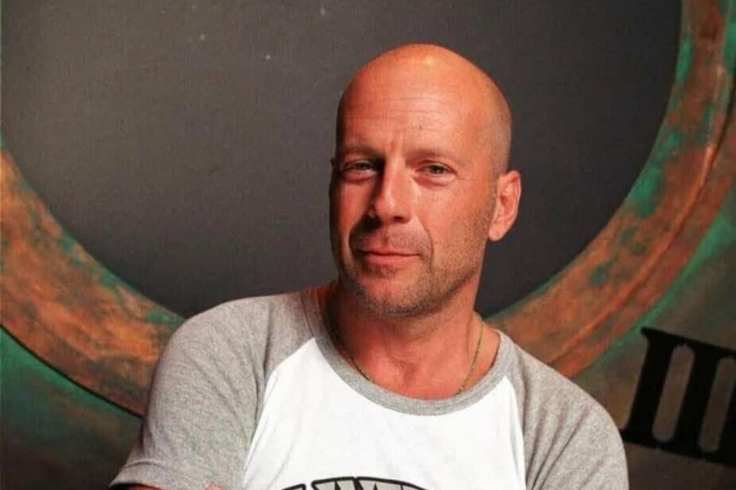
Bruce Willis's family has confirmed plans to donate the actor's brain to scientific research after his death, as they push forward with a major fund aimed at tackling frontotemporal dementia. The Bruce Willis brain donation plan, which first surfaced late last year, has resurfaced this month with the announcement of the fund's inaugural grant, demonstrating the family's determination to support research into the condition that ended the star's acting career.
Willis, 71, was diagnosed with frontotemporal dementia in 2023 after an earlier diagnosis of aphasia in 2022. The disorder, which affects behaviour, personality and language skills, is the most common form of dementia in people under the age of 60.
Family Rallies Behind Brain Donation Pledge
The decision has the full support of Willis's wife Emma Heming Willis, his ex-wife Demi Moore and the couple's five daughters, Rumer, Scout, Tallulah, Mabel and Evelyn. The brain donation is designed to give researchers access to postmortem tissue that can reveal the physical impact of frontotemporal dementia.' This is emotionally difficult but scientifically necessary,' Emma explained in comments reported earlier this year.
The family hopes the contribution will help scientists better understand the disease's progression and potentially open doors to new treatments. Postmortem brain donations have long been a cornerstone of neurodegenerative research, allowing experts to study changes invisible during life, such as abnormal protein deposits.
The Willis family's commitment is seen as a significant step, especially given the high-profile nature of the case and the increased attention it has brought to FTD since the diagnosis was made public. Emma Heming Willis has frequently shared insights into the family's experience, helping to raise awareness and reduce stigma around the condition.
Fund Makes First Award to FTD Organisation
The centrepiece of their work is the Emma & Bruce Willis Fund, which seeks to raise awareness about frontotemporal dementia, fund promising early-stage research and provide practical support for caregivers.
On 7 May this year, Emma posted on Instagram announcing that the fund had awarded its very first grant to the Association for Frontotemporal Degeneration, an organisation that has been a vital source of support for the family and many others.'This is a special and meaningful moment I wanted to share with you,' she wrote in the post. 'The @emmabrucewillisfund made its very first grant to The Association for Frontotemporal Degeneration — an organization that has meant so much to our family and so many others navigating FTD. This is just the beginning, and I'm feeling very energized and hopeful for what's ahead.'
The Instagram update has been widely shared, bringing fresh focus to the Bruce Willis brain donation plan and the fund's growing role in the fight against the disease.
Path to Better FTD Treatments
Such donations are particularly valuable for frontotemporal dementia because they enable detailed examination of brain structures affected by the condition, helping to correlate clinical symptoms observed in patients with underlying pathology.
Although genetic research has made strides in identifying some causes, FTD remains relatively under-researched compared with other forms of dementia.The family's initiative aligns with calls from experts for greater investment in the field.
By supporting early-career scientists and catalysing new projects, the fund aims to accelerate discovery and ultimately improve outcomes for those living with the condition. As these efforts gather pace, the Willis family's actions highlight how personal experiences can fuel meaningful contributions to medical science.