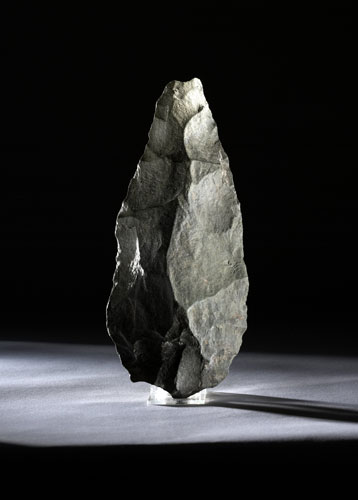
Olduvai handaxe, 1.2-1.4 million years old, Olduvai Gorge, Tanzania. An example of the most successful piece of technology in human history.
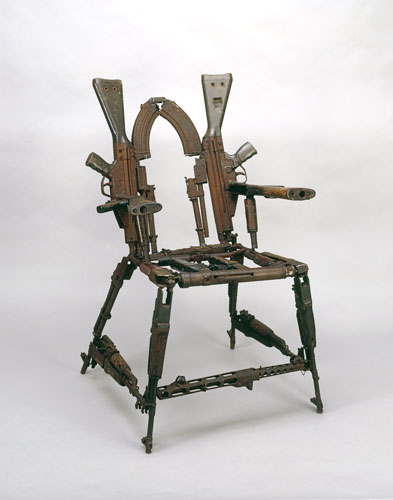
Photograph: guardian.co.ukThrone of Weapons, 2001 AD, Maputo, Mozambique. A chair made of decommissioned guns encapsulates the post-war history of the African continent.
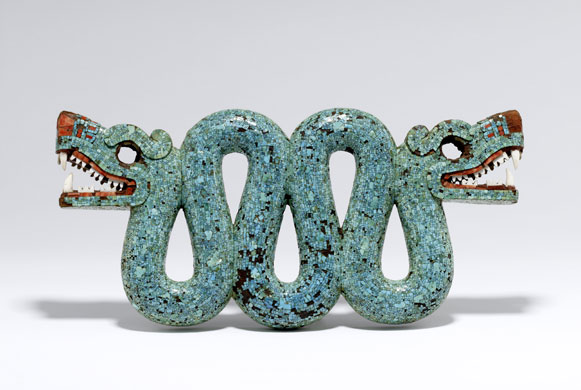
Photograph: guardian.co.ukDouble-headed serpent, 15th-16th century AD, Mexico. This serpent embodies both how the Aztec empire flourished and the story of their destruction.
Photograph: guardian.co.uk
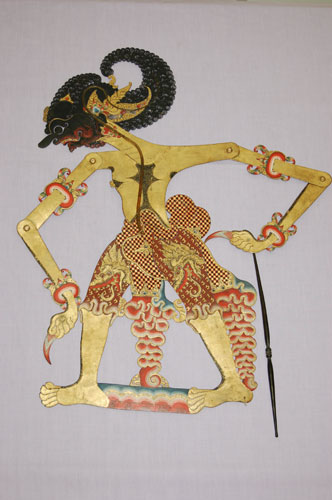
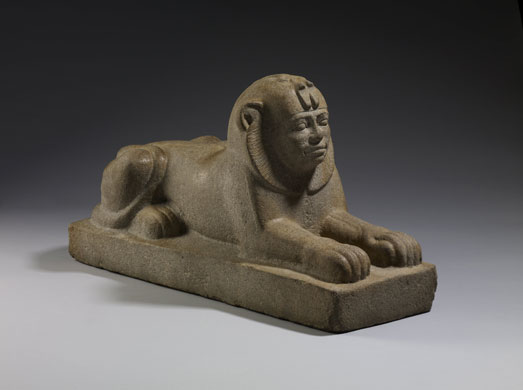
Shadow puppet of Bima, 17th-18th century AD, Java, Indonesia. Photograph: guardian.co.ukSphinx of Taharqo, c. 680 BC, Kawa, Sudan. Why does the face of an apparently ancient Egyptian sphinx resemble a black African. The answer leads to an exploration of the ancient kingdoms of Sudan at a time when black Pharaohs ruled Egypt.
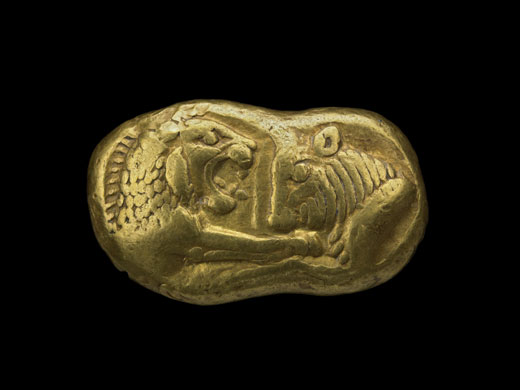
Photograph: guardian.co.ukGold coin of Croesus, c. 550 BC, Modern Turkey. It is hard to imagine how cities and empires could be run without money. Yet the world's first coins are comparatively recent innovations.
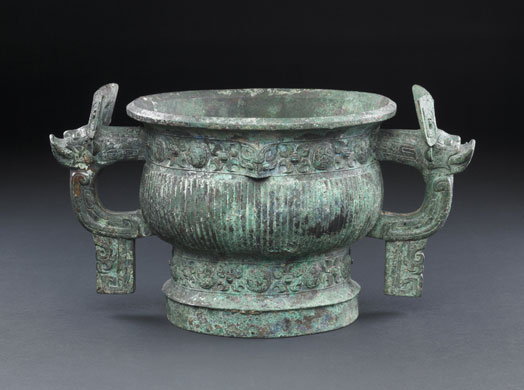
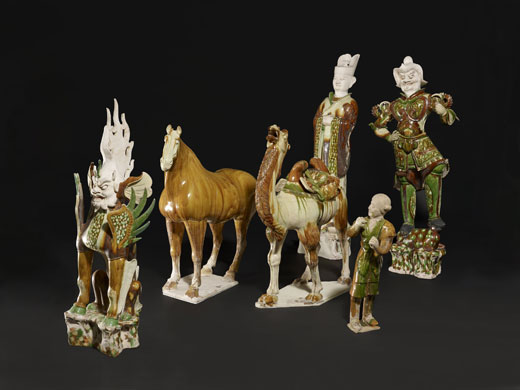
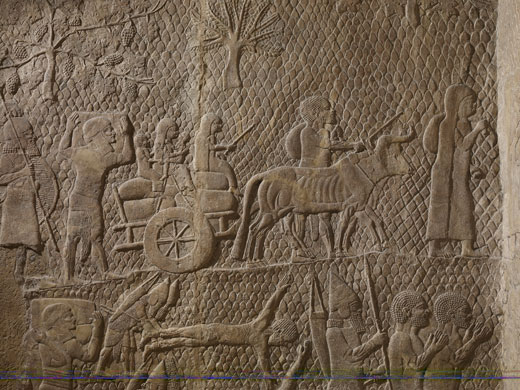
Photograph: guardian.co.ukChinese Zhou ritual bowl, c. 1100-1000 BC, possibly Henan Province, China. This bowl made to feed the ancestors documents one of the major transformations in China.Photograph: guardian.co.ukChinese Tang tomb figures, c. 728 AD, Henan Province, China. What taking a civil servant, a demon and a camel into the afterlife tells us about this golden age of China.Photograph: guardian.co.ukLachish Reliefs, c. 700-692 BC, Nineveh, northern Iraq. This programme examines the military successes of the Assyrian Empire and the consequences this had for the people they conquered. The reliefs depict the deportation of families following the conquest of their city.
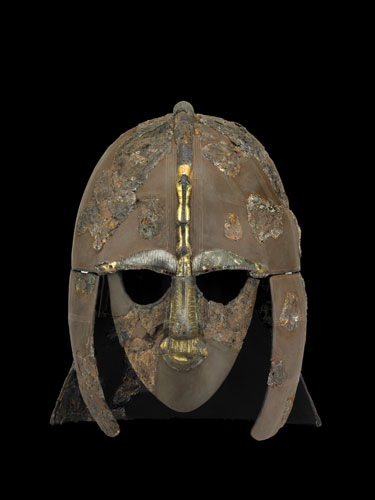
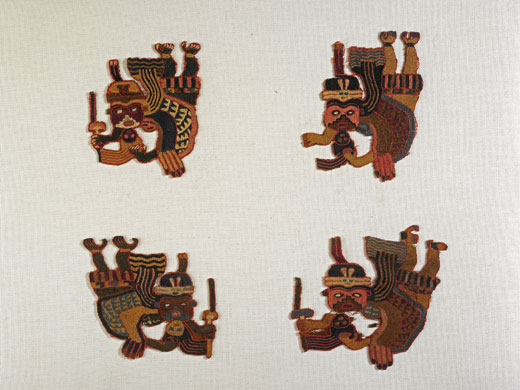
Photograph: guardian.co.ukSutton Hoo Helmet, 7th century AD, Suffolk, England. This iconic object from the origins of English history reveals the story of how the first English kings were always part of a larger European community. Photograph: guardian.co.ukParacas textile, c. 300-200 BC, Paracas, Peru. Textiles are not often recognised as important cultural documents but these fragile fragments reveal the first complex societies in South American history.
Photograph: guardian.co.ukStatue of Ramesses II, c. 1250 BC, Egypt. This classic image of an Egyptian Pharaoh is a masterclass in how to present the image of a political leader. Photograph: guardian.co.uk
Sign up to read this article
Read news from 100’s of titles, curated specifically for you.