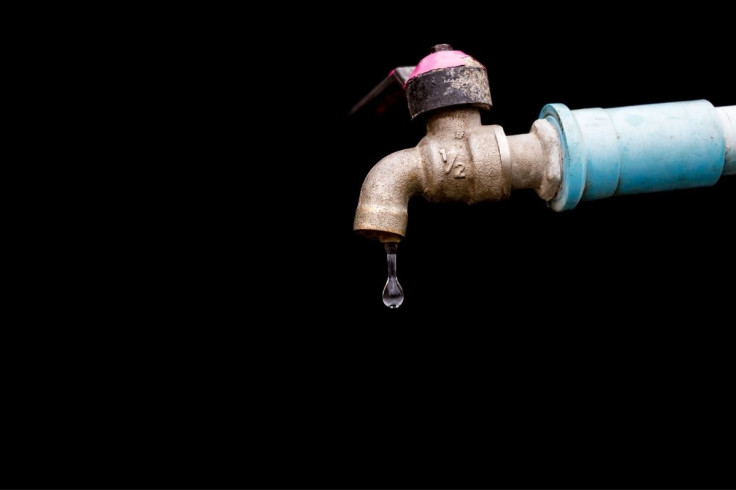
Britain's record-breaking summer heat may eventually ease, but experts warn that water shortages and drought conditions could persist long after temperatures return to normal.
England and Wales are on course to record their driest July since records began, following months of exceptionally low rainfall and repeated heatwaves. Environmental agencies say the lack of rainfall has placed increasing pressure on rivers, reservoirs, agriculture and public water supplies, raising concerns that the effects could continue well into the autumn.
The warning comes as millions of households remain subject to hosepipe bans and large parts of England and Wales face official drought conditions.
Record Dry Conditions Leave Lasting Impact
According to the Met Office, rainfall across much of the UK has been significantly below average this summer, with England receiving only a fraction of its normal July rainfall. Data released by the national weather service showed that only 21.3mm of rain fell across the UK between 1 and 26 July, compared with 90.4mm during June.
The situation has been particularly difficult in southern England, where some areas received as little as 1% of average July rainfall, while England overall recorded only about 7% of its long-term average for the month.
Experts say rainfall deficits accumulated over several months cannot be reversed by a few days of wet weather.
Why Water Shortages Could Continue
Environmental specialists warn that reservoirs, groundwater supplies and river systems take far longer to recover than temperatures.
The Environment Agency reported that reservoir storage in England had fallen to 75.3%, around 7.4% below the long-term average for this time of year. River flows have also declined sharply, with 84% of monitored rivers classified as below normal or lower, while soil moisture deficits have reached record levels in several regions.
Even if rainfall returns during August, much of the initial moisture will be absorbed by dry soils before it can replenish rivers and underground water reserves. This means water stress can continue for weeks or months after a heatwave ends.
Farmers Feel the Pressure
Agriculture has emerged as one of the sectors most heavily affected by the drought.
The National Drought Group, chaired by the Environment Agency, warned that extreme weather is affecting food production, with some farms reporting crop failures, reduced yields and water shortages for irrigation. Water demand has also surged, rising by up to 30% on the hottest days of the summer.
Farmers have reported harvesting crops earlier than usual and relying on emergency measures to protect livestock and maintain production.
Drought Conditions Spread Across Britain
The drought is no longer confined to isolated regions.
Natural Resources Wales recently extended drought status across the entire country after parts of north Wales experienced exceptionally low river flows and received less than 20% of expected July rainfall. Officials warned that July 2026 could become Wales's driest July in nearly 190 years.
Meanwhile, seven water companies have implemented or announced restrictions affecting around 23 million customers in England.
Climate Concerns Grow
Scientists and environmental agencies say the combination of repeated heatwaves and prolonged drought highlights the growing challenge posed by climate change.
The Met Office previously reported that spring 2026 was the warmest on record for England and Wales, while recent heatwaves have intensified pressure on water resources.
For experts, the key concern is that drought conditions may outlast the heat itself. Even if cooler temperatures arrive, recovering depleted water supplies, damaged ecosystems and stressed agricultural land could take considerably longer, leaving Britain vulnerable to continuing shortages in the months ahead.