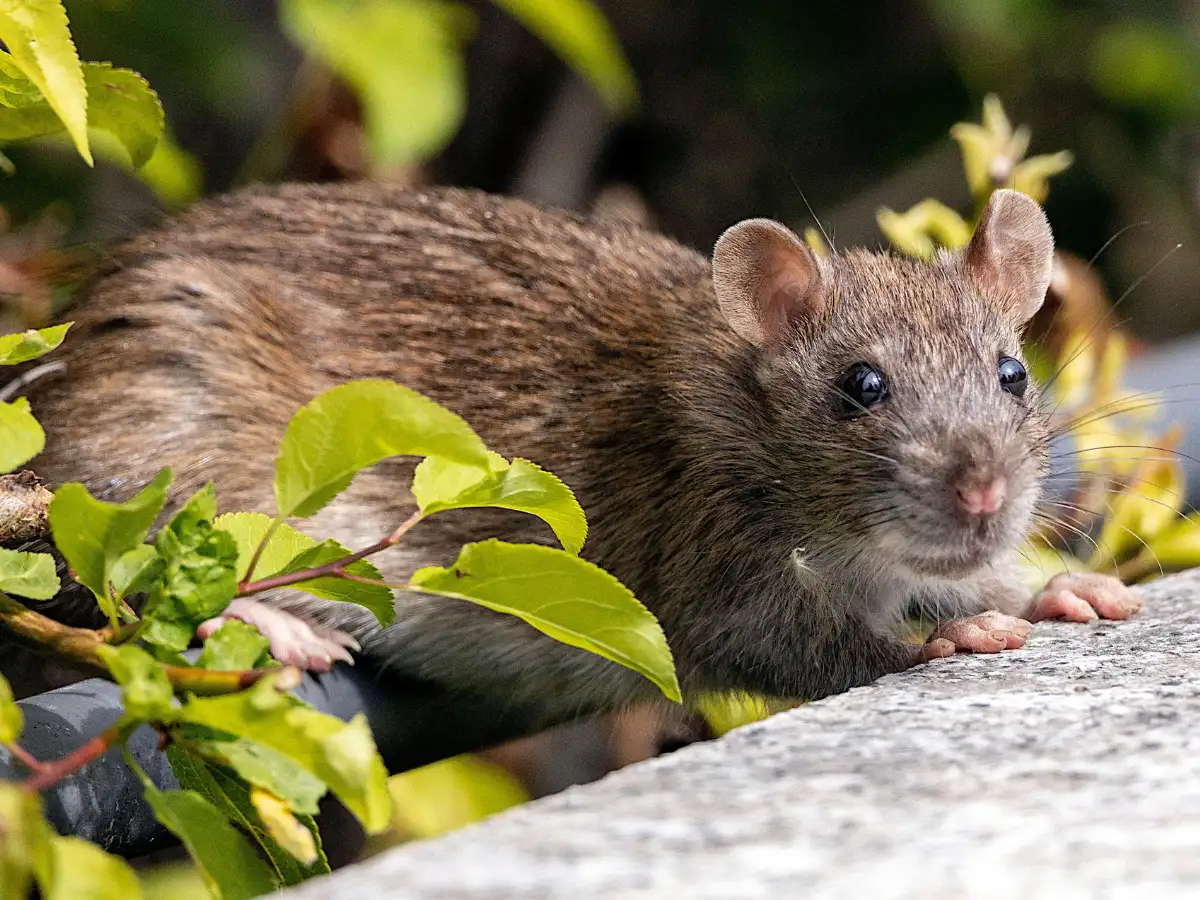
South Georgia is a remote island in the chilly South Atlantic. It's about 800 miles from the nearest town. For two centuries, rats ruled this island. Then, in 2018, every single one of them was gone.
According to Smithsonian Magazine, a British charity began dropping more than 300 tons of poisoned bait on the island in 2011. The drops continued, in phases, till 2015. This was confirmed as the largest island rat eradication ever completed anywhere in the world in a peer-reviewed paper in the journal Oryx. The poison was brodifacoum, and a single dose is often enough to kill a rat.
The project was staggeringly large: crews flew 100 helicopter days over three field seasons and spread roughly 1,500 tons of bait across 1,650 square kilometers of rugged terrain, then followed up with intensive monitoring before declaring success. The paper says the effort was designed to hit every likely rat refuge on the island, including glacier edges and steep coastal slopes.
The paper describes a three-phase campaign between 2011 and 2015, using bait drops timed to take advantage of winter conditions and rodent biology. It also notes that after the last island wide treatment, years of detector dogs, cameras and bait stations found no sign of surviving rodents, allowing the team to call it the largest successful rodent eradication on record.
How rats took over the island
Rats didn't decide to go to South Georgia. They got there as stowaways. Sealing and whaling ships introduced them in the late 1700s. Old whaling stations gave the rats food and shelter. There were no natural predators on the island to stop them.
According to the Government of South Georgia & the South Sandwich Islands, the rats gradually spread along about two-thirds of the coast. Most of the local birds nest on the ground, and since there are no trees on the island, eggs and chicks became easy meals for rats. The South Georgia pipit is the world’s southernmost songbird, found nowhere else on Earth. Rats almost wiped it out. A local duck called the South Georgia pintail struggled too.