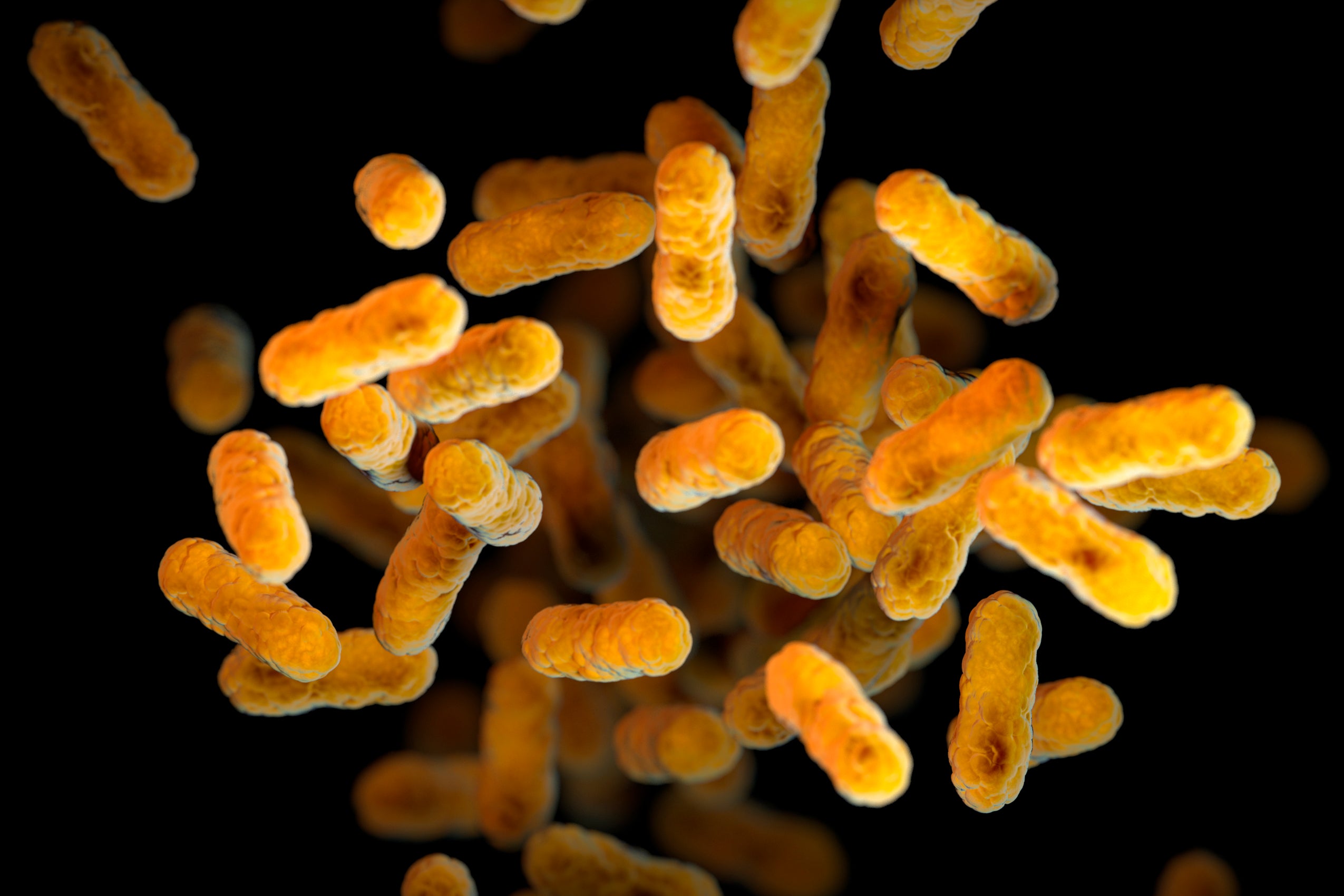
A new nasal spray vaccine for whooping cough could be pivotal in halting the spread of the highly contagious and often deadly disease, scientists have announced.
England has seen a significant surge, with around 15,000 cases reported in 2024 – a sharp rise from 856 last year.
Despite existing NHS vaccines for babies, children, and pregnant women, a government-funded trial showed the BPZE1 nasal spray prevents whooping cough bacteria from colonising the nose and throat, vital for stopping spread. It also triggered strong immune responses in both nasal passages and blood, suggesting long-lasting protection.
Current vaccines do not provide lifelong protection and do not stop people from carrying the bacteria or spreading it.
The trial is backed by the National Institute for Health and Care Research (NIHR), which is funded by the Department of Health and Social Care.
Public health minister Ashley Dalton said the trial marks a “major breakthrough in our fight against whooping cough”.
“Unlike the existing vaccine for pregnant women, which protects babies in the womb and prevents nine out of 10 infant deaths, this new nasal spray vaccine works in a completely different way – by stopping the bacteria from living in the nose and throat.
“That means it could cut transmission and offer longer-lasting protection for everyone, not just newborns.
“It’s a powerful showcase of the UK’s world-class research sector, driving innovation to protect future generations.”

Professor Robert Read, who led the study at the NIHR Southampton Biomedical Research Centre, said the vaccine “could represent a big step forward in stopping the spread of the disease”.
The Champion-1 study for the vaccine, developed by ILiAD Biotechnologies, included 53 adults and was published in The Lancet Microbe journal.
If the findings are confirmed in further trials and the new vaccine is approved, it could be given to adults or children.
The first signs of whooping cough are similar to a cold, but it develops into coughing bouts that can include a “whoop” sound.
The cough can last several weeks or months and parents are urged to seek an urgent appointment if their baby is under six months and has symptoms of whooping cough.
The whooping cough vaccine is routinely given as part of the 6-in-1 vaccine for young babies, while a pre-school booster is also given at age three.
Pregnant women can have the vaccine when they are around 20 weeks pregnant.
Hidden scandal of NHS staff exposed to cancer-causing chemical deemed ‘next asbestos’
NHS services will not be cut to fund US pharma deal – Streeting
Big Yellow warns annual business rates bill to jump by £1.8m post Budget
UK mortuary workers dealing with Air India crash bodies face deadly chemical levels
Landmark AI tool for stroke patients significantly improves recovery
Parents set to save hundreds on baby formula in new crackdown