War, from a distance, can seem all-consuming. Before I first visited Kabul, I flicked through a collage of reports on bombings and suicide attacks and imagined a hell-on-earth of flames, gunmen, craters, rubble and fear.
What I found instead was a traffic- and fume-choked city of more than five million people, cradled by snow-capped peaks, full of vibrant, if precarious, life. In the well-guarded Afghan capital, violence is a menace that contorts and shadows daily life, but it is not the city’s sole defining feature.
Several dozen people die in Kabul every year from suicide bombings and Taliban attacks, but as many or more are killed by car crashes, air pollution or the dangerous act of giving birth in a country that provides little help for expectant mothers.
Civilians in Kabul inhabit a twilight zone between war and peace. They are always stalked by the possibility of an attack, haunted by memories of family villages in Taliban-controlled territory that they can no longer visit, tormented by reports of atrocities visited on rural relatives or friends by both sides in the conflict.
Yet, their daily worries are most often the same mundane concerns that bother families in far more peaceful places. For the poorest, it is simply whether they will eat the next day, or whether they can scavenge some fuel to stave off the winter chill.
The slightly better-off worry about whether they can find a decent job, how their children are doing at school, whether their doctor has correctly diagnosed a lingering cough. And, in between, they try to have fun.
New visitors to the city are almost always fascinated by its thriving vitality and the pockets carved out for leisure amid the fear and poverty.
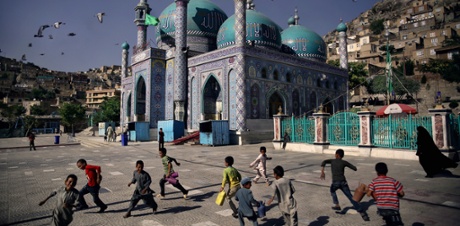
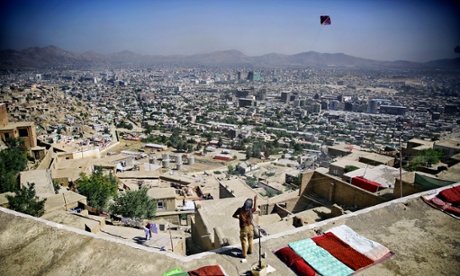
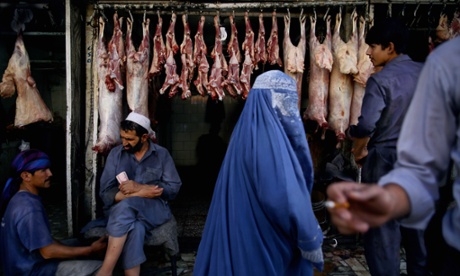
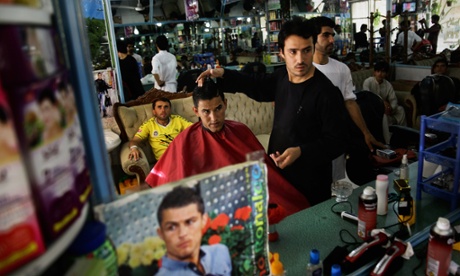
Souvid Datta’s photos celebrate the crowded streets and night markets, the strange beauty to be found in a row of hanging animal carcasses that make up an open-air butcher’s shop, the universal vanity of a trip to the hairdresser, the joy of children chasing pigeons into flight outside a mosque or launching a kite from a hilltop home.
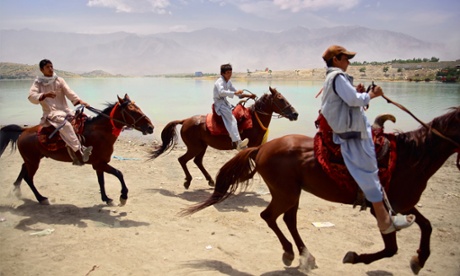
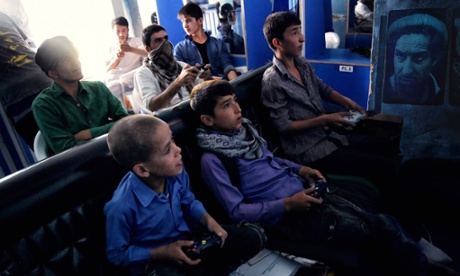
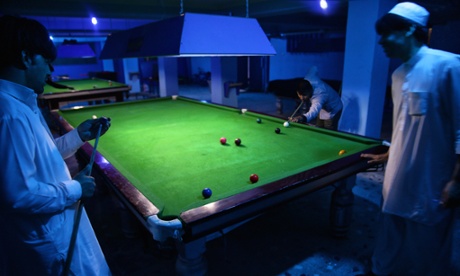
He captures the spell cast by video games in a makeshift arcade, the intensity of pool games and the fun of summer outings to the Qargha lake, a hydroelectric dam on Kabul’s western outskirts home to boating, horse-riding and all-day picnics.
One picture shows a guest at a segregated wedding whirling through the traditional Attan dance for an all-male audience, who cheer him on under garish lights.
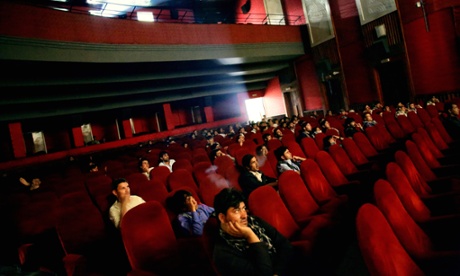
More poignant is a shot of dazed men slouched in the seats of a slowly decaying cinema, years ago a place for family outings. Sitting in a dark room full of men from outside one’s family would be both scandalous and risky for women in contemporary Afghanistan.
Female life in general is restricted in Afghanistan, with nothing to match the swimming pools, sports fields or tea houses that men enjoy. Most women spend the majority of their time at home, working, studying or hanging out with friends and relatives.
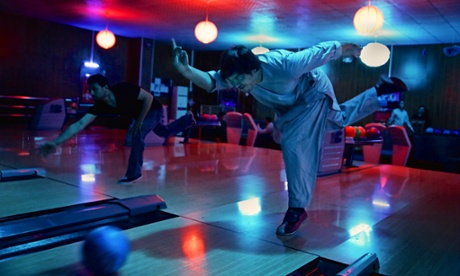
One of the few places women can go to enjoy themselves is a family-friendly bowling alley, with both equipment and a menu of pizza and ice-cream imported straight from the US. Prices would also be familiar to Americans, however, making it a treat only for the elite.
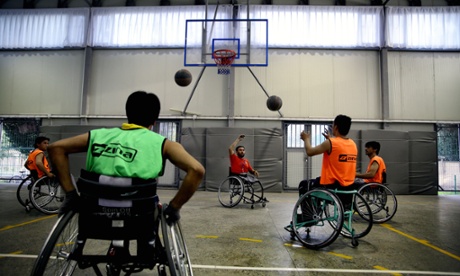
Some foreigners particularly captivated by Afghanistan have stayed to try to bring change. Wheelchair basketball is taking off nationwide, nurtured by Italian disability campaigner Alberto Cairo and made possible by cheap, specialised wheelchairs he sourced from China.
A skateboarding school and a children’s circus pictured by Datta are two of the more esoteric but successful projects, linking education to sports and entertainment.
None of the moments of pleasure diminish the suffering of those maimed in Kabul’s attacks, or left behind by the dead. The bombs and shootings bring terrible losses to individual families and wider communities.
The pictures hint at the pervasive threat of violence, with images of policemen on a training drill and the grinning owner of a gun shop, sitting cross-legged among his rifles. They also show the seedier side of the capital, lives lost to the country’s opium trade.
Mostly, though, the pictures are joyful celebrations of how a city carries on trying to educate and entertain, to feed and heal itself in the shadow of death and war.