An innovative, ultrasensitive blood test could identify Sjogren’s disease more than a decade before symptoms manifest, scientists have revealed.
This breakthrough offers a new pathway for early intervention in the debilitating autoimmune condition, which sees the immune system erroneously attack the body’s moisture-producing glands.
Sjogren’s affects approximately half a million people across the UK, with women accounting for 90 per cent of adult diagnoses.
The condition primarily targets exocrine glands, responsible for producing tears and saliva, as well as other vital organs, leading to chronic inflammation and impaired function. Currently, there is no cure, and treatment focuses on alleviating symptoms such as dry eyes and mouth, joint pain, and extreme fatigue.
Researchers from the University of Edinburgh and University Hospital Bonn in Germany have now demonstrated that distinctive "fingerprints" of interferon alpha (IFN-α) – an inflammatory protein – can be detected long before symptoms emerge.
More than half of those with Sjogren’s exhibit chronically elevated levels of IFN-α, making it a crucial biomarker for early detection and potentially paving the way for novel therapeutic approaches.

The team studied the immune system of more than 170 women and men with Sjogren’s disease.
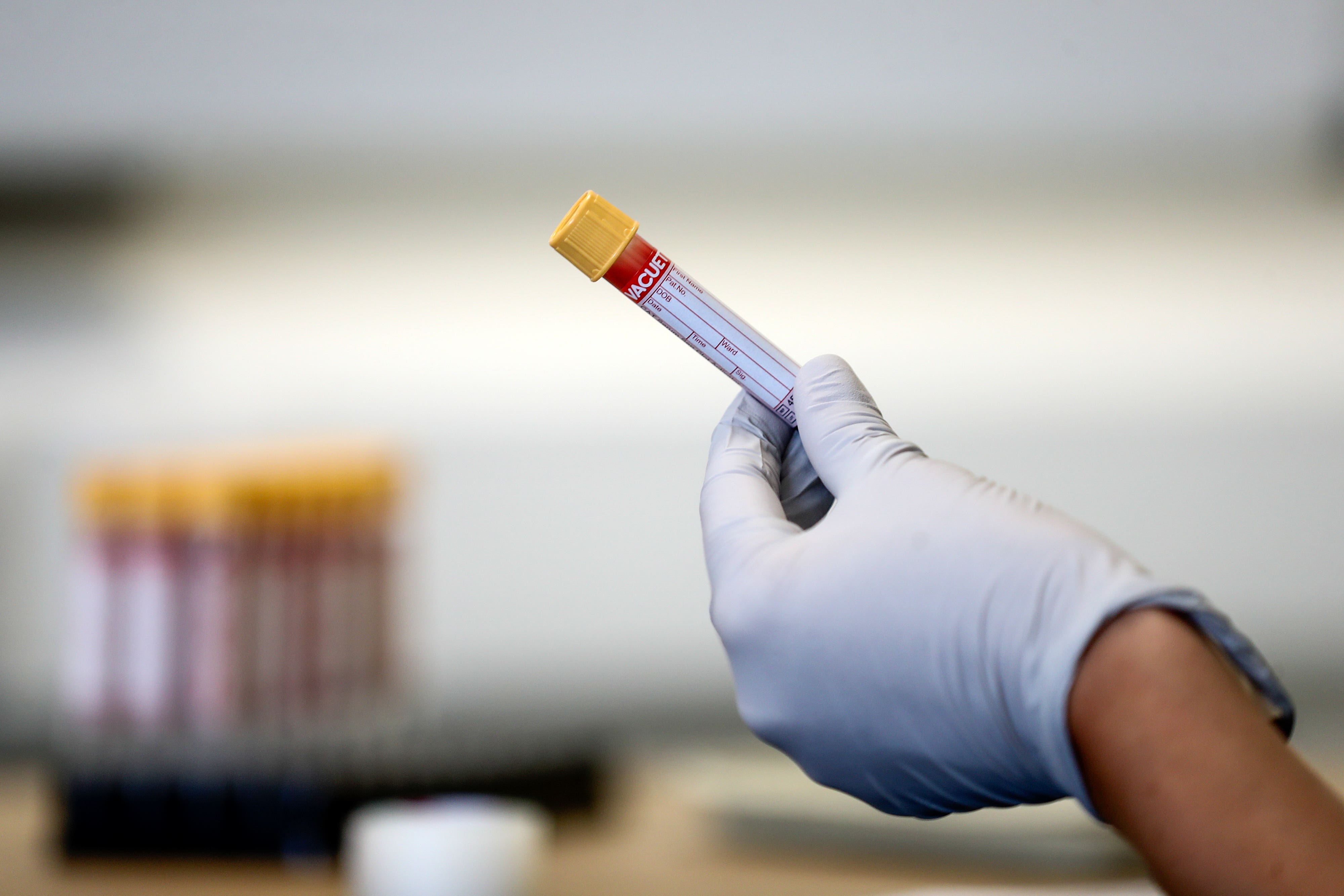
Since the body normally only produces the protein in tiny quantities they used a new, ultra-sensitive method to detect individual IFN-α molecules.
Around 60 per cent of patients were found to have an increased amount of IFN-α, which in turn was linked to different activity levels of particular genes in the immune system.
The scientists said this resulted in this group of patients having a unique “fingerprint” of proteins in their blood.
Further analysis was carried out on blood samples from 250 patients with the disease in the UK Biobank showed IFN-α fingerprints could be detected in blood more than a decade before patients develop the disease.
The team also found that mice which produce high levels of IFN-α developed features of Sjogren’s disease, and responded to a drug which blocked the biological effects of IFN-α.
Professor David Hunt from the University of Edinburgh said: “Sjogren’s disease is a debilitating condition which is often overlooked.
“We are delighted to have shown how precision medicine technologies can be used in Sjogren’s disease to help decode the immune pathways which cause disease.
“We hope that this is an important step towards making our ultrasensitive IFN-α blood test available to people affected by this condition.”
The team said the findings suggest there are two distinct pathways linked to the development of Sjogren’s disease, and that this “immune diversity” could support the use of treatments to suppress IFN-α specifically for patients with high levels of the protein.
They said the results could also offer a route for the development of potential new treatments among this subset of patients, as well as predicting the disease.
Professor Rayk Behrendt, from University Hospital Bonn, said: “Now, for the first time, we can take treatments geared toward suppressing the interferon effect and trial them specifically on patients with elevated interferon levels.
“We might also find new approaches to treatment that will help a large percentage of patients over the long term.”
The findings were welcomed by 52-year-old Panna Chauhan, who was diagnosed with Sjorgen’s disease as a child.
Ms Chauhan, who works as a calligrapher and artist in Edinburgh, said: “I have been living with Sjogren’s disease most of my life so it is a part of me – unpredictable and disabling.
“Diagnosed in my early childhood it is great to hear of research being done, and for Sjogren’s to be given the attention that it needs and deserves.
“Just to have one blood test that can help predict the condition before it even causes symptoms is not only mind-blowing but a great relief that others may no longer need to suffer greatly from this unpredictable condition.”
Professor Dame Anna Dominiczak, Chief Scientist (Health), Scottish Government, said: “Our Precision Medicine Alliance Scotland funding aims to bring precision medicine from the laboratory into everyday NHS Scotland care, and this research is a vital step towards more personalised treatment for people with Sjogren’s disease.”
The study, funded by the Chief Scientist Office and Wellcome, is published in the journal The Lancet Rheumatology.
The research team also included scientists from Newcastle University and University Hospital Dresden.