A day after a powerful blast in Delhi killed at least eight people, witnesses described the moment they felt something like an earthquake had hit India’s capital city as windows shattered and people started to flee the streets in panic.
Dozens were wounded when a slow-moving car exploded at a traffic signal near Delhi’s Red Fort – a huge historic Mughal monument – on Monday evening. The blast is being probed as a suspected terror attack under India’s stringent anti-terrorism law and prime minister Narendra Modi has vowed to bring all those responsible to justice.
At the 17th-century temple, the Digambar Jain Lal Mandir, barely 100m away from the blast site, devotees had gathered as usual.
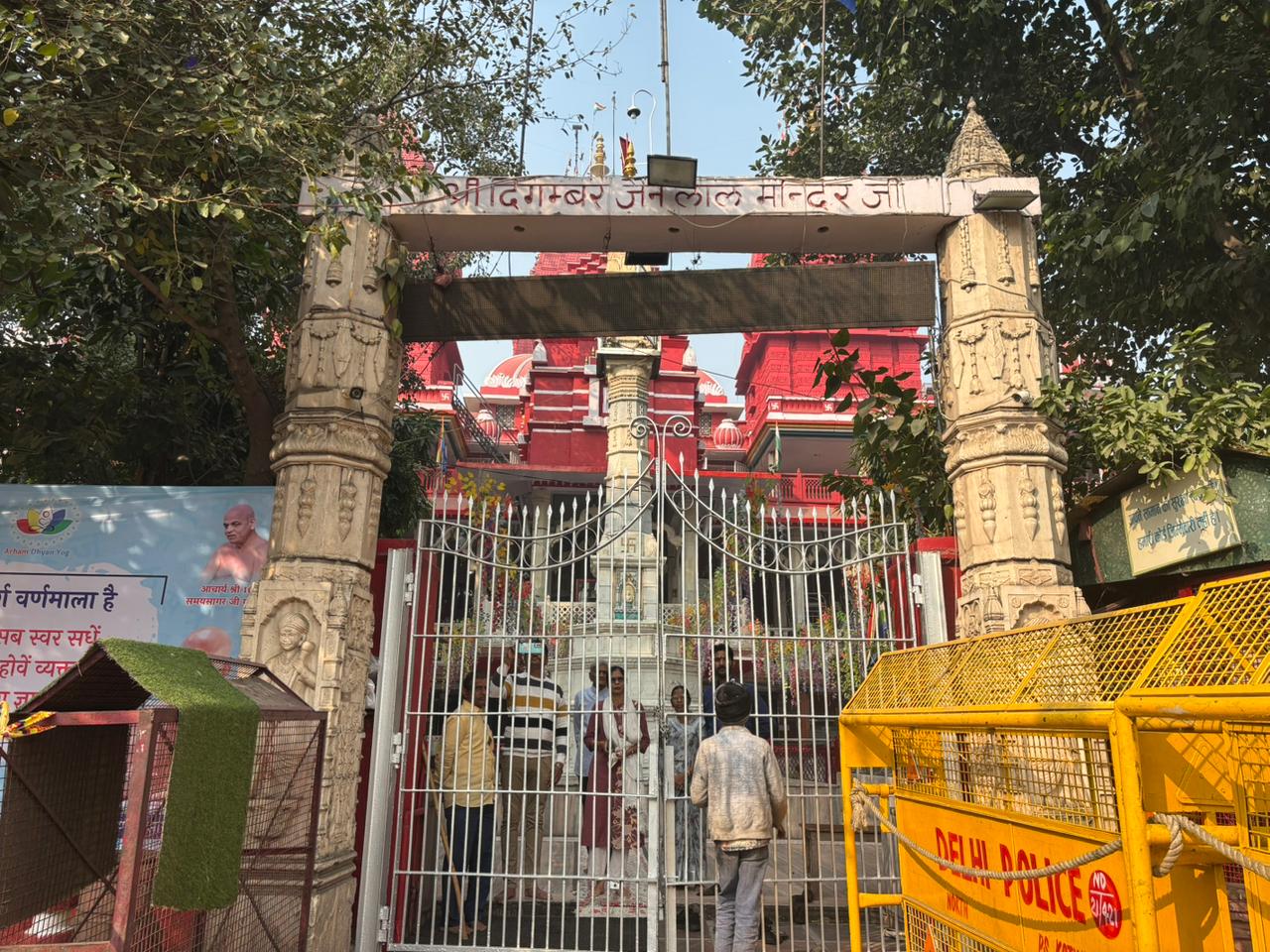
“We were inside when the blast shook the temple so hard that all the glass windows of our building shattered and it felt like a strong earthquake had hit us,” a devotee told The Independent on Tuesday.
The blast has been called “rare” and “shocking”, owing to its location – just metres away from where the prime minister addresses the country during Independence Day celebrations.
CCTV camera footage and a mobile video from Delhi’s Chandni Chowk market near the Red Fort showed people running for cover soon after hearing a loud explosion, NDTV reported.
This is the second major such incident to have rocked India this year, after April’s Pahalgam terrorist attack in Kashmir, where civilians were shot down. The Red Fort attracts millions of visitors every year to its nearby markets.
It is not immediately clear who was driving the car.
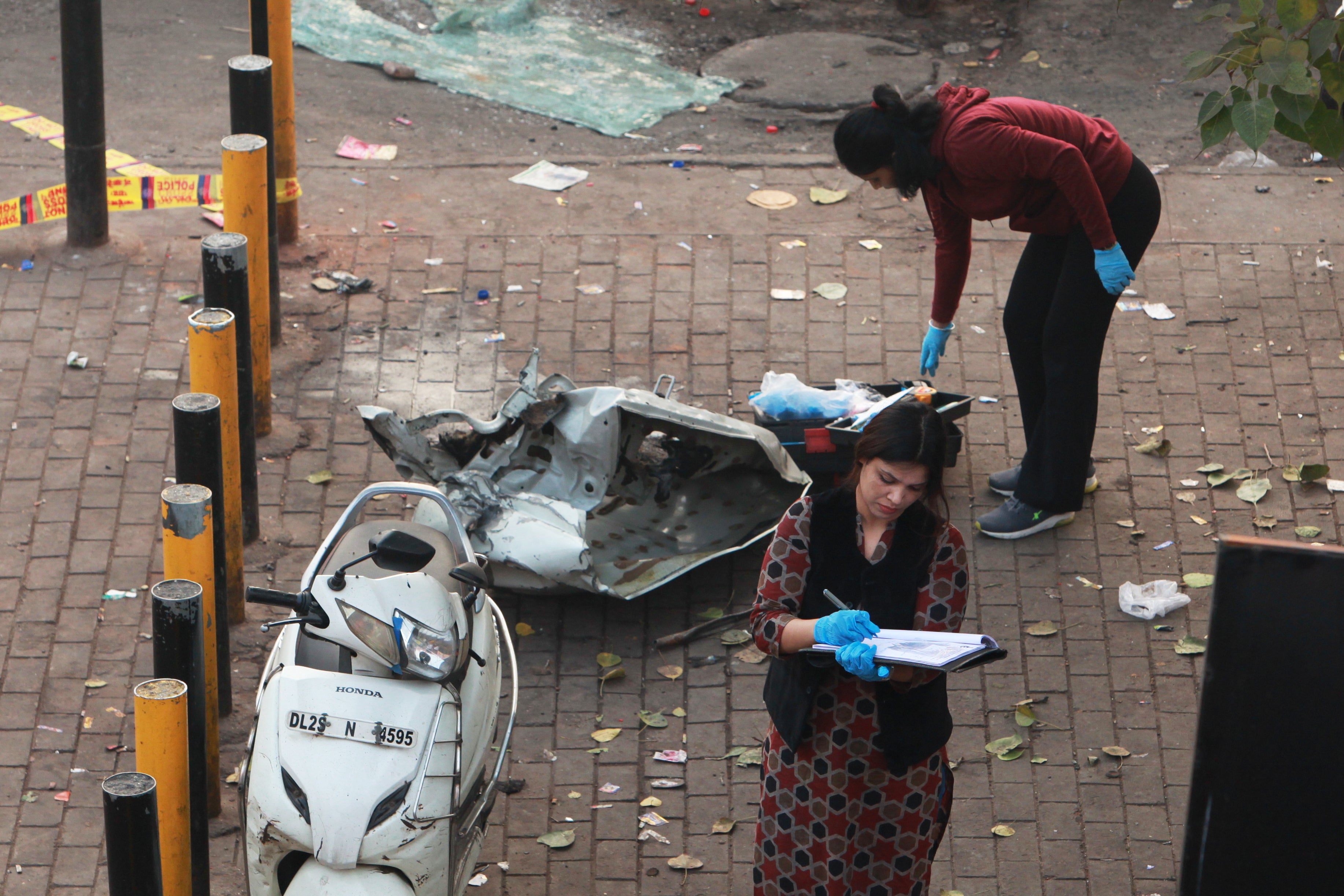
Locals and tourists just metres away from the explosion remained in a state of shock on Tuesday morning. Special investigation teams and Delhi police were seen picking up wires and car wipers from the streets on the morning after the blast.
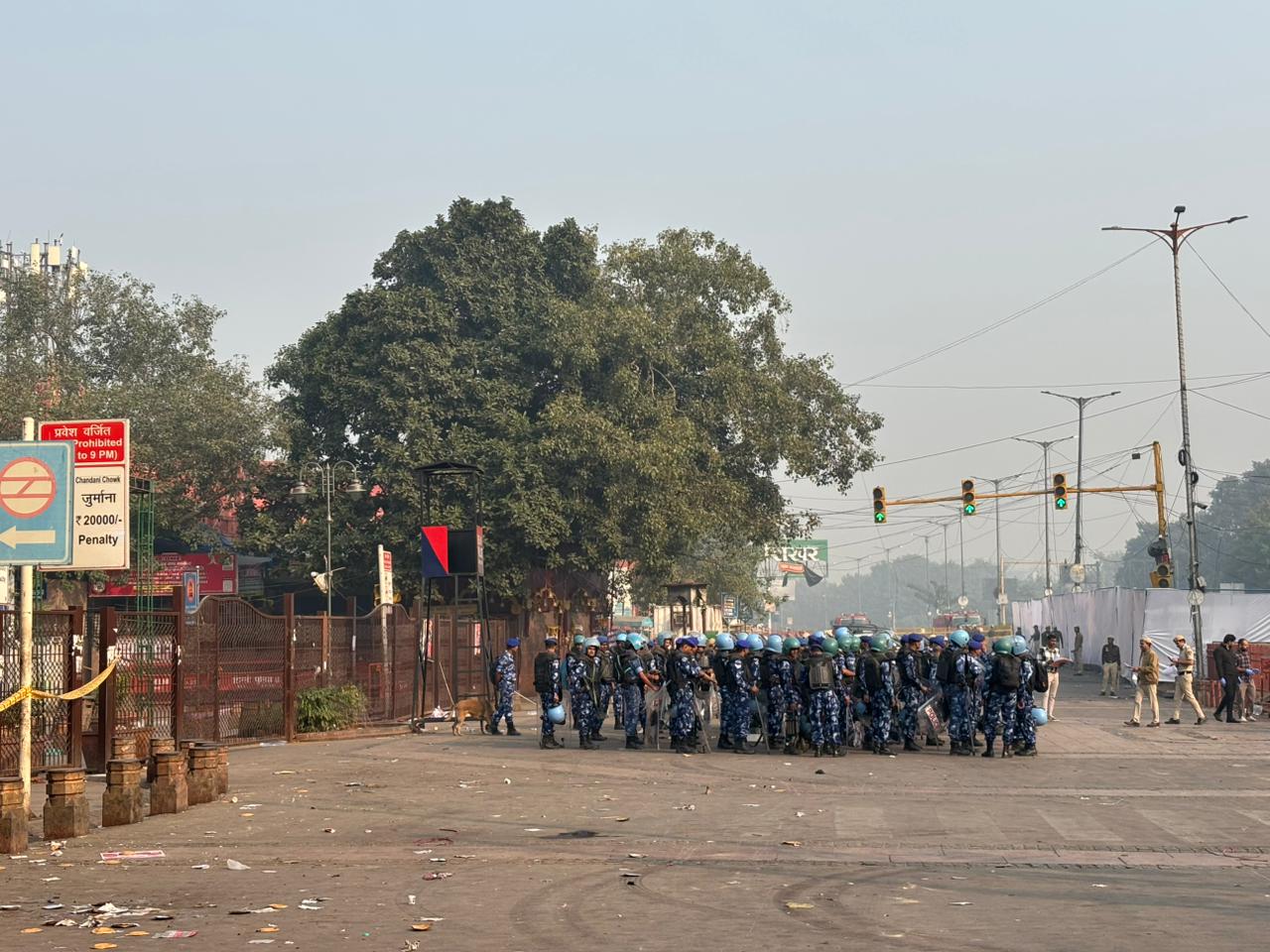
Officials were also seen scouting for evidence at the Jain temple. The area, a massive hub of trade and tourism, was shut down and a heavy presence of police personnel and a special military unit of the Rapid Action Force was posted as investigations remained underway.
Another eyewitness at the temple, who wished to remain anonymous, recalled seeing human remains being flung into the premises with the impact of the blast.
Ravsaheb Hundekar, a tourist who was visiting Delhi from Kolhapur and staying inside the temple premises, said his life was spared by five minutes as he was headed to the spot where the car exploded to board a metro train.
“The blast shook the ground under my feet. I was standing outside the temple as I had to leave for west Delhi. I cannot believe my life has been spared by a few minutes. I could’ve been dead otherwise,” the 55-year-old told The Independent.
The temple is one of the most prominent religious landmarks near the busy Chandni Chowk market in the area. It has since been shut down, with devotees assisting the Delhi Police officials and investigators with details of the attack.
Moshe, a 69-year-old Israeli tourist on a visit to India, was among those turned back from entering the temple. “I am on a retreat in India and have already covered Buddhist places. My next sacred visit was for this Jain temple but I am so sad to hear that it has been shut after the blast,” he said.
While the cause of the explosion is not immediately clear, Indian home minister Amit Shah said “all angles are being investigated”.
The Delhi Police is checking the use of ammonium nitrate – a chemical compound that has explosive properties – fuel oil and detonators that caused the explosion in the car, officials said.
A day earlier, police officials recovered around 360kg of suspected ammonium nitrate and a cache of arms and ammunition in a suburb near Delhi Faridabad. The raids led to heightened security alerts.
India’s top court overturns conviction in notorious Nithari serial killings case
Modi vows to bring Delhi Red Fort car blast ‘conspirators’ to justice
Inside the unsolved ‘House of Horrors’ mass murder case that rocked India
‘Slow moving car’ explodes near iconic Delhi landmark killing 8 people
Delhi tightens anti-pollution curbs after citizens take to streets over air quality
Police crack down as hundreds protest against Delhi’s toxic air