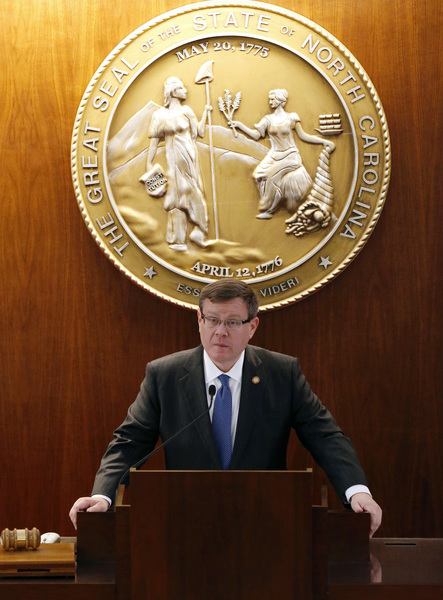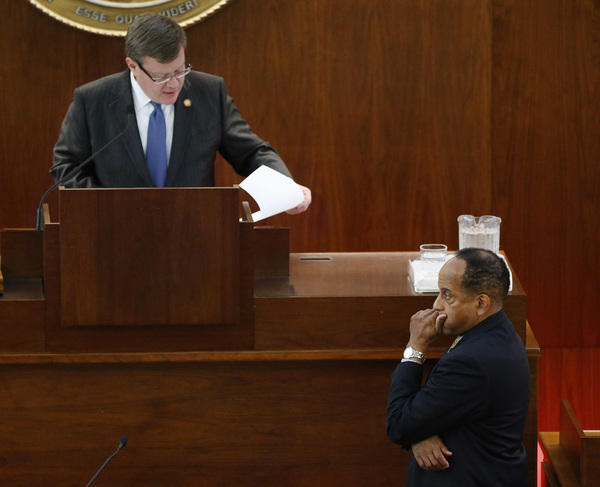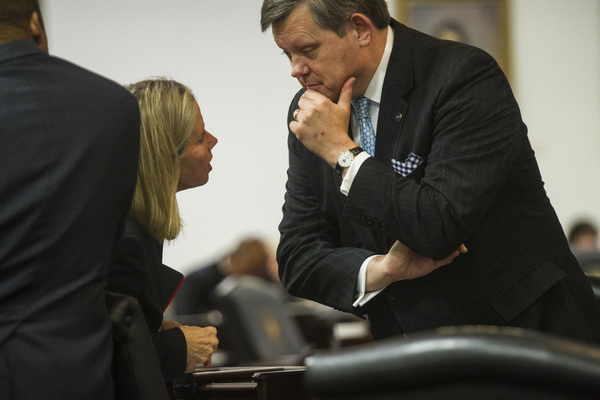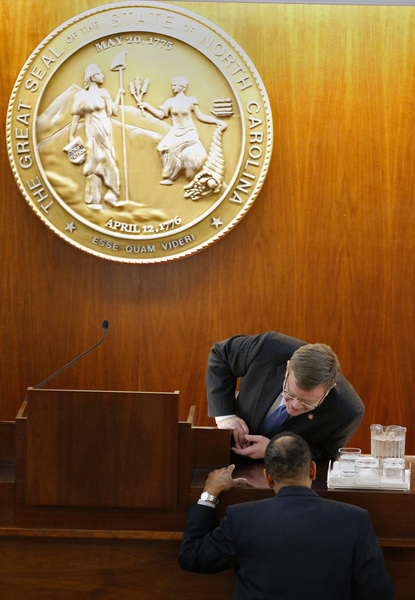
RALEIGH, N.C. _ North Carolina Senate leader Phil Berger filed a bill Wednesday that repeals House Bill 2 but places a six-month moratorium on local ordinances regulating employment practices, public accommodations or access to restrooms.
The bill by the state's most powerful legislator ran into immediate opposition from gay rights advocates and Democrats. They said that adding the moratorium would renege on a deal to kill HB2 once Charlotte repealed the ordinance that gave rise to it.
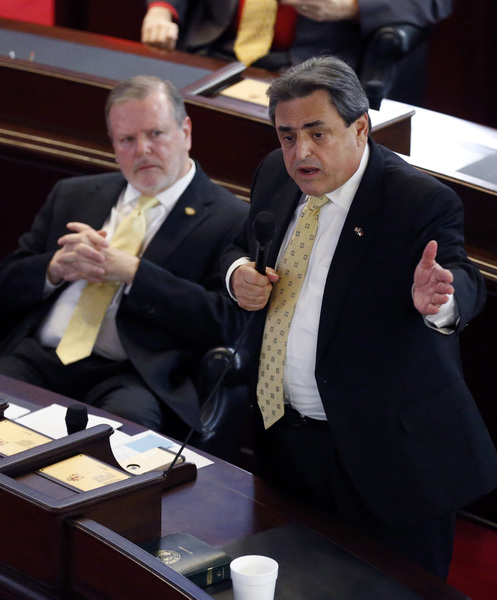
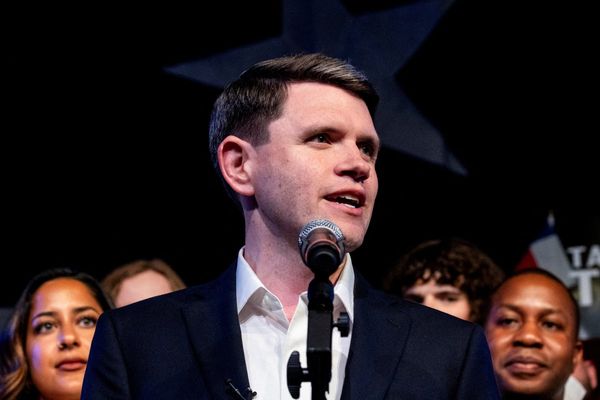
"This wasn't the deal," said Sen. Jeff Jackson, a Charlotte Democrat, his voice rising on the Senate floor. "The deal was simple ... this bill breaks that deal. Charlotte acted in good faith that we would keep our part of the bargain and it looks like we're not going to."
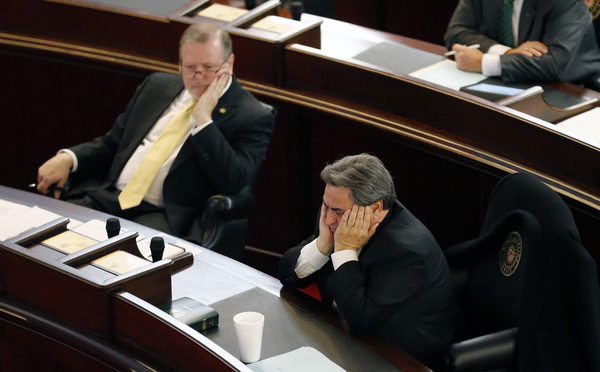
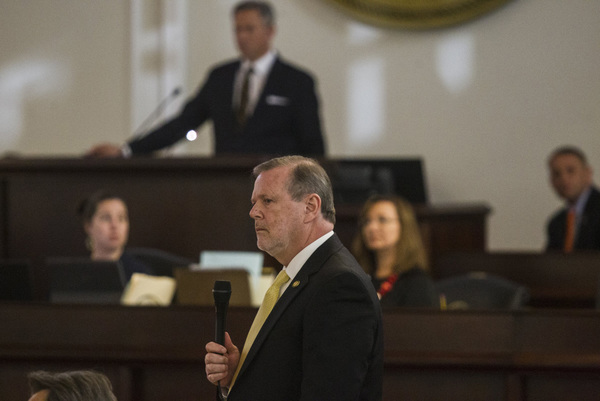
Berger cast his bill, and the "cooling off period," as a way to work toward a long-term solution on an issue that has rocked the state's social and economic climate for nine months.
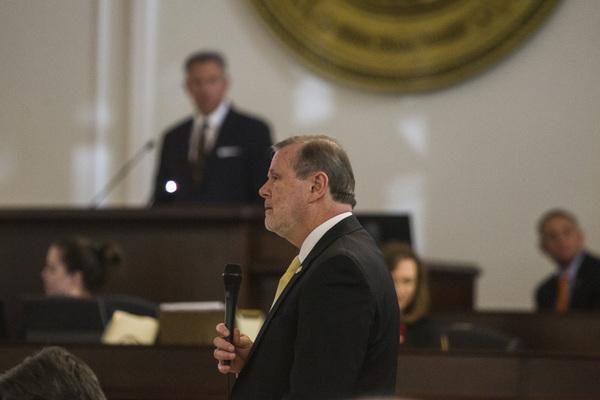
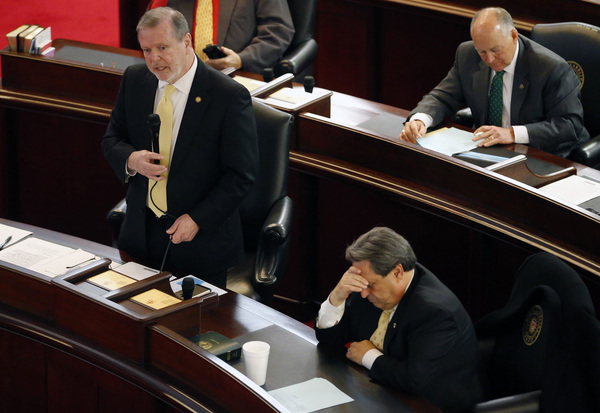
"It's a very simple bill, and the concept is that we take the state back to the status quo that existed before Charlotte passed its ordinance," Berger told Senate colleagues.
"This is the right thing to do for our state, something that helps us get to a reset. ... It's an opportunity for us as a state to get this right."
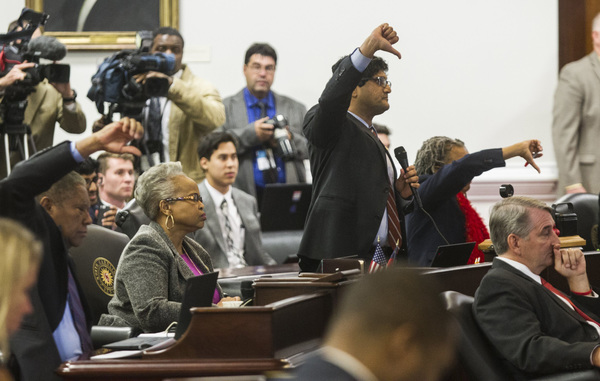
Wednesday's session had been slowed by reluctant lawmakers who support HB2 or don't trust Charlotte's intentions.
Charlotte City Council, which passed the ordinance that ignited HB2, repealed it Monday. Wednesday morning, after Republicans charged that the ordinance had not been fully erased, council members met again to do that.
Berger said Charlotte's action Monday "was not a repeal, and unfortunately that has made it more difficult to get to this point."
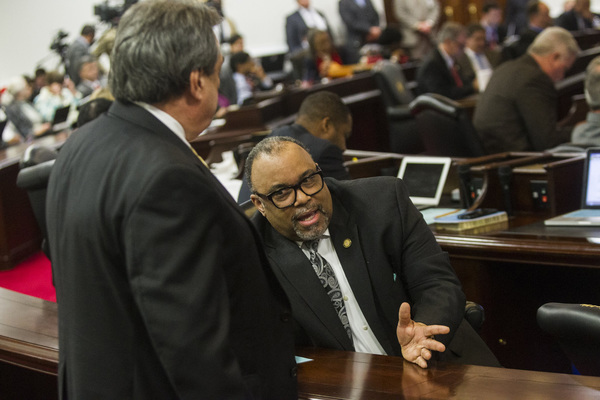
Said Senate majority leader Harry Brown, a Jacksonville Republican: "When you talk about trust, I think the city of Charlotte has been as disingenuous as anybody I've ever seen."
The city had expected, in turn, that legislators would repeal their law. But attempts by Republican lawmakers to short-circuit the special session began minutes after it opened Wednesday.
House Rules Chairman David Lewis, a Republican from Harnett County, said there weren't enough members of the GOP caucus who support repealing HB2 to approve doing that.
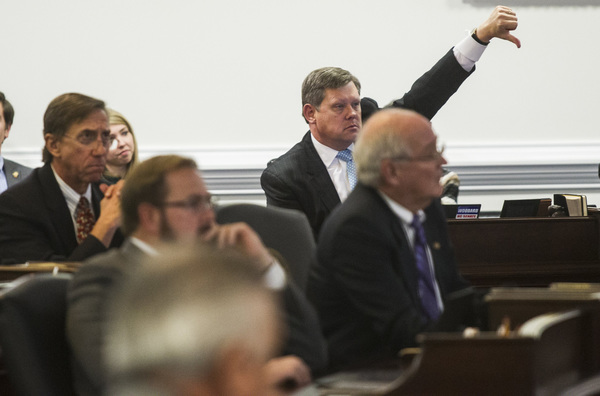
"I felt pretty good about where we were yesterday," Lewis told reporters. "I thought Charlotte had done a full repeal and we were going to come in and consider the same thing. I don't know where we are right now."
The Charlotte council's vote Wednesday morning did not set a Dec. 31 deadline, as the earlier deal had. But it was enough to shake up fragile negotiations among House Republicans who spent four hours in a caucus meeting Tuesday night, before Wednesday's meetings.
"It seems like a small thing, but it's not," Lewis said. "We're trying to act in good faith, and if it was a legitimate mistake that Charlotte made, that's one thing. If it was something else, that really hurts my ability to stand up and tell members it's a reset. We've said all along we think reset is the way to go."
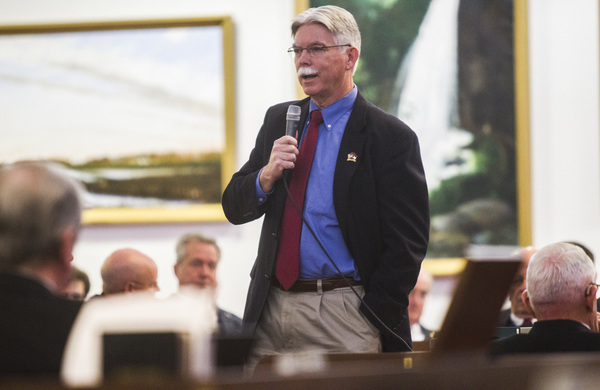
Minutes into the House session, Rep. Jeff Collins of Nash County rose to declare the session unconstitutional and decried the "extraordinary hubris" of Charlotte City Council in prompting it. Two other members joined him.
Rep. Michael Speciale of New Bern moved that the session be immediately adjourned. He was ruled out of order.
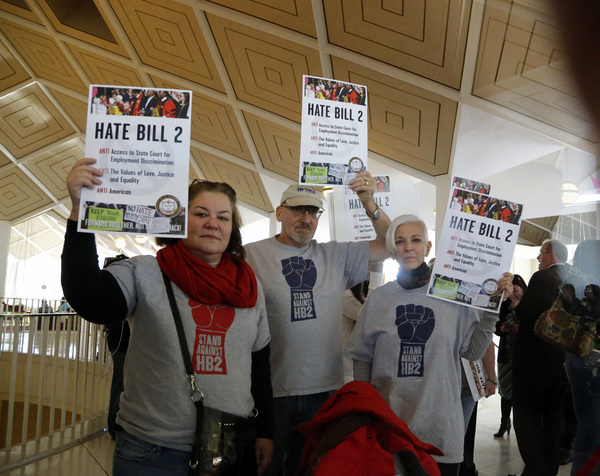
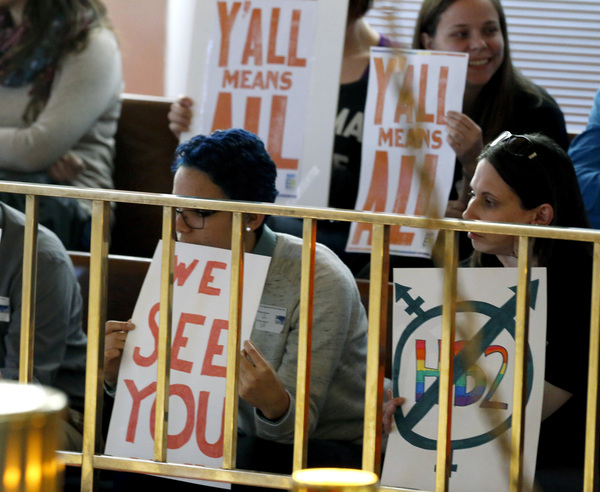
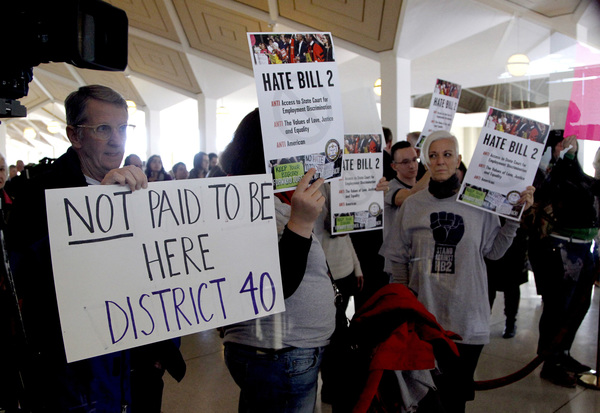
By 11 a.m., the House had gone into a recess that was later extended to 1 p.m. without taking up HB2. House Republicans gathered in caucus. A growing group of protesters gathered outside the chamber.
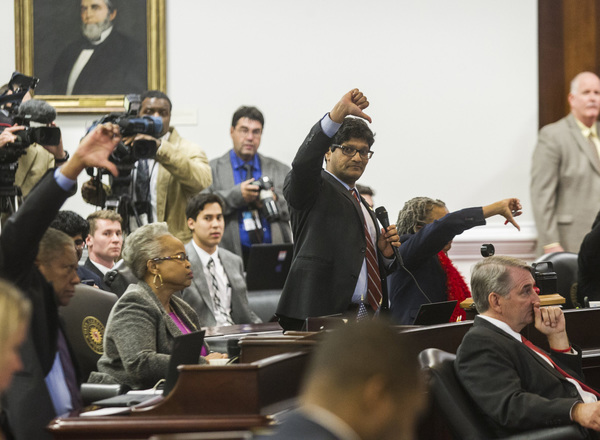
"This is not a full repeal of HB2 _ we consider this HB2.2," said JoDee Winterhof, a senior vice president of the Human Rights Campaign. "Our community doesn't need a cooling-off period. Our community needs protection.
"When they passed HB2, the Republican leaders put discrimination onto the books in North Carolina, and what they're doing today continues it."
The Charlotte Chamber, apparently alarmed by the turn of events, sent out a urgent call to action for the public to call legislators.
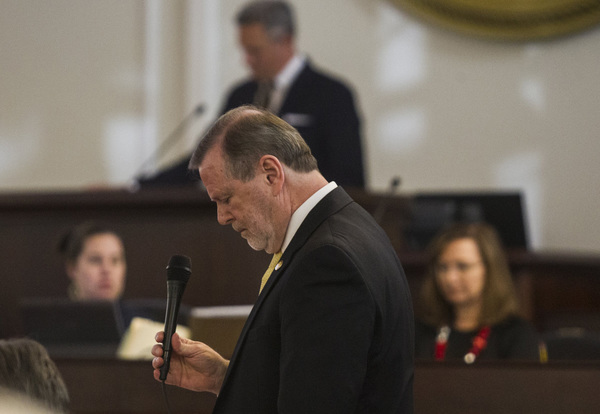
"This morning the Charlotte City Council approved a full and clean repeal of their non-discrimination ordinance that led to the state's approval of HB2, a bill that has caused serious economic damage to our economy and to the perception of our state," the chamber said. "The legislature is in special session at this moment. It is not known if there are enough votes to repeal."
As House Republicans mulled their next move, Jackson, the Charlotte Democrat, filed his own HB2 repeal bill. Sen. Mike Woodard, a Republican from Durham, and Sen. Terry Van Duyn, a Democrat from Asheville, signed on as co-sponsors.
The bill was intended to make a political point about the Republican-controlled legislature, as it has no chance of passing. "While we wait for NCGOP to make good on their deal, I went ahead and filed a bill to fully repeal HB2," Jackson tweeted. "Let's vote."
Charlotte's council set the fifth special session of the year in motion on Monday with the surprise repeal of a February ordinance that lets transgender people use the public bathroom of the gender with which they identify.
The city council, meeting early Wednesday, voted 7-2 to redo its Monday vote following reports that some legislators were unwilling to vote for a repeal of HB2 because the council did not repeal the entirety of its ordinance.
City officials insisted that Monday's action had removed all provisions that legislators had objected to. "The City Council acted in good faith to do everything that it understood was necessary to facilitate the repeal of HB2," the city said in a statement after the vote.
But Wednesday's vote fully repealed the changes made in the February ordinance.
The ordinance had prompted a whiplash response in March: A one-day legislative session in which conservative Republicans both voided Charlotte's ordinance and wiped away more general protections for LGBT people.