A million cities in one
When I first visited in 2010 I was told by a salaryman in a bathhouse that “Tokyo is a million cities”. It seems that way. Harajuku on a Saturday is, essentially, a teenage catwalk with people in the latest fashions swarming all around; but it’s only a 10-minute walk to the Meiji Jingu shrine, where there may be a traditional wedding with a bride in an incredible white kimono and headpiece and priests wearing clogs.
Nicolás Obregón
Peace and quiet
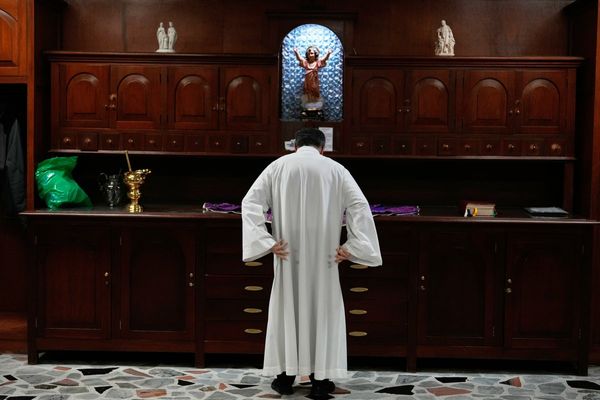
It’s no wonder this place inspires reflection. When we discover, at one of the ryokans we stay at, that our chef Junyo is also the priest of the temple next door, I surprise myself by getting up at 7am to join him for a short bout of silence. After 20 minutes of listening to the sound of the rain as it beats the timbers around us, Junyo dings a bell, changes out of his priestly robes and whips up breakfast. His cold soba noodles are the perfect return to earth.
Updated
Where to eat
Japan is a country that rewards gentle perseverance and a willingness to try anything. Over the years, I’ve been introduced to some wonderful Japanese chefs, all of whose restaurants are worth a visit in their own right. So, I decided to ask them to reveal their favourite places to eat, drink or shop.
Where to stay
Traditional ryokan are few and far between in Tokyo, which makes them a luxury. Here you’ll find cosy futons, neat tatami mats, gracious service and a tea set laid out on the low wooden table awaiting your arrival. There are also two steaming hot baths, one made of cedar that looks out over the garden and the other ceramic, shaped like a bowl – a long soak is a Japanese experience not to be missed. The neighbourhood, Yanaka, is like an extension of the inn, with pre-war wooden buildings housing artisan studios, craft shops and cafes.
Rebecca Milner