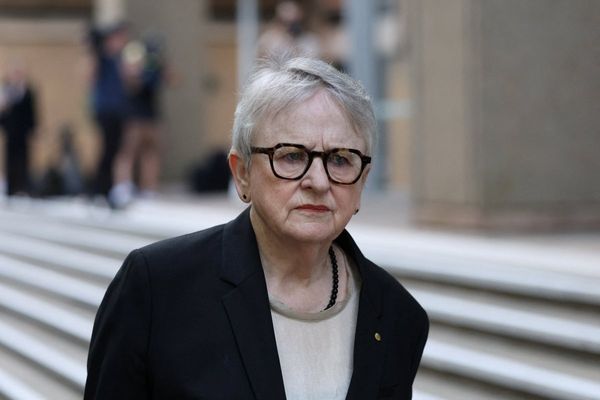
Best Coast emerged in 2010 as the faces of a California slacker wave that evangelised cats, weed, guitar and the beach, and not a great deal more – an enviable lifestyle that enchanted fans and chimed with a generation’s post-recession hopelessness, though its burnout was inevitable. Sure enough, Bethany Cosentino and Bobb Bruno’s peers vanished, and their scene’s louche allure was surpassed over the subsequent decade by entrepreneurialism, and later wellness.

Somehow, Best Coast survived, pursuing an unexpected sense of purpose. Cosentino’s childlike songwriting developed (though they parlayed her naive style into a children’s album, the Amazon exclusive Best Kids) and the pair hardened the murk that used to mask their sound into an uncompromising rock aesthetic. Coming full circle, Best Coast’s new album is rooted in Cosentino’s recent sobriety, the 33-year-old having looked back in shock at the unhappiness of her previous records and decided to do something about it.
But Always Tomorrow is no cynical wellness cash-in: if Cosentino has found happiness in coffee and dog walking (Everything Has Changed), her relationships still collapse (Make It Last) and her self-sabotaging streak remains intact: “I am the same way that I used to be,” she sighs on Rollercoaster: “Took away substances is the only change I see.” The duo turn that stubbornness and frustration into their finest album, full of the tough, hooky rock that made stars of the Go-Gos, the Bangles and ‘Til Tuesday in the 80s.
It’s endlessly distinctive. Cosentino’s voice scores each song like a key down a car door as she vents her disquiet with being idolised (Graceless Kids), and holds fort on Wreckage as the music tunnels in around her. It also shows off the duo’s humour: the romantic True channels 60s girl groups, though it’s instantly undercut by Seeing Red, which seethes at that relationship’s dissolution. On For the First Time, they earn a cheeky reference to Talking Heads’ This Must Be the Place, Cosentino invoking a song about contentment’s warm anticlimax as she finds a new light on her life: “I guess this is what they mean when they say people can change.” Her revelation pays dividends.