Sen. Bernie Sanders cautioned against the rapid growth of AI, including the physical infrastructure to support it, in an interview Sunday where he warned that American workers could be left behind by big tech.
The two-time presidential contender voiced the growing concerns of many of his fellow progressives during an appearance on CNN’s State of the Union.
With growing numbers of American companies embracing AI in everyday situations including interactions with customers as well as the surging popularity of AI chatbots, the Republican-held Congress spent key parts of 2025 debating a ban on regulation of artificial intelligence at the state level, effectively making themselves the only authority in the country with the power to impose restrictions on the technology’s development or use.
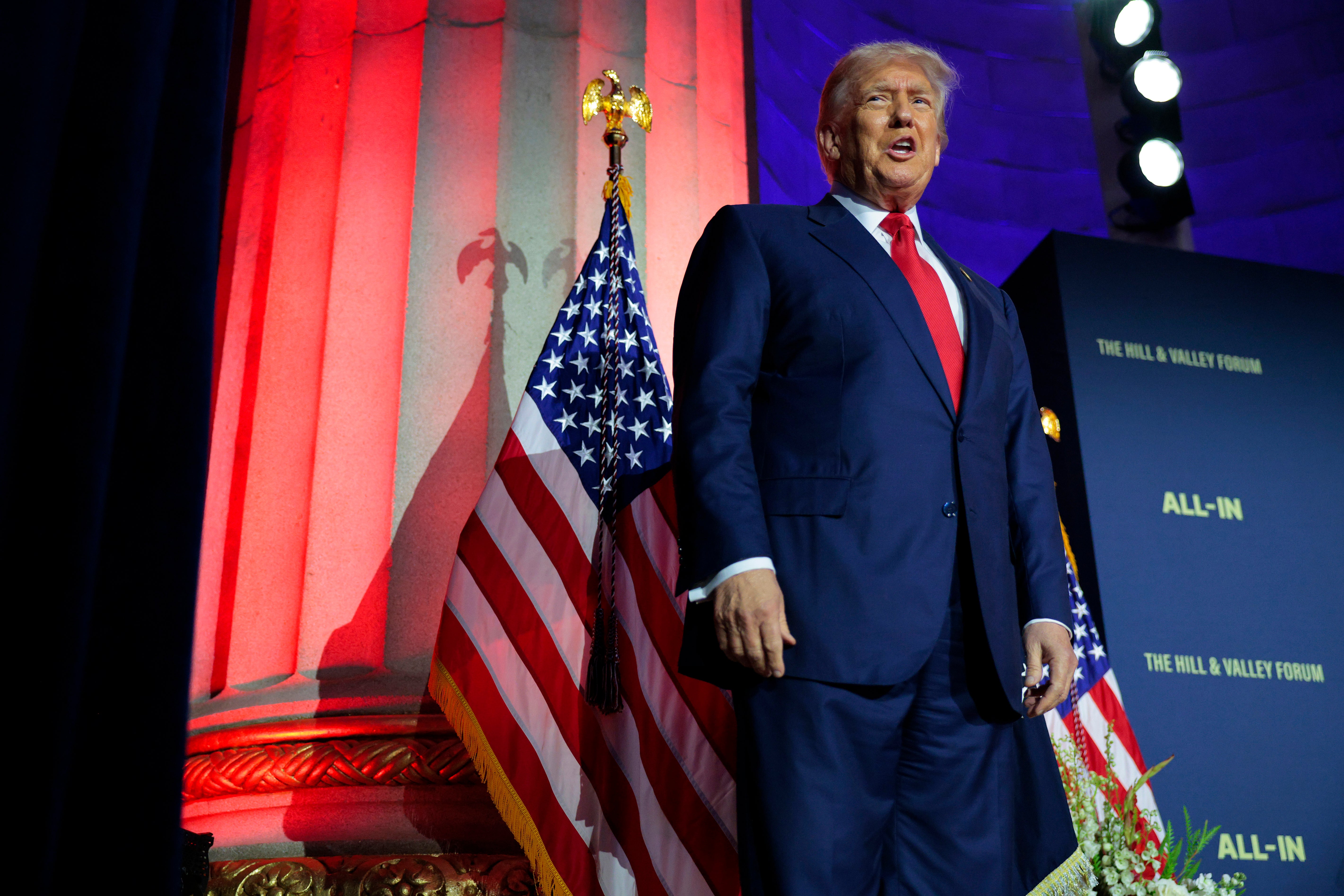
President Donald Trump reignited his calls for that legislation to pass in the fall, though Congress has not yet acted.
On Sunday, Sanders warned that Republicans were guiding the U.S. into a dangerous future for American workers, who he said that AI stakeholders like Elon Musk and Bill Gates predict will lose their jobs on a massive scale as working becomes “optional” and heavily reliant on robots.
“This is the most consequential technology in the history of humanity... There’s not been one single word of serious discussion in Congress about that reality,” said the Vermont senator.
Sanders added that while tech billionaires were pouring money into AI development, they were doing so with the aim of enriching and empowering themselves while ignoring the obvious economic shockwaves that would be caused by the widespread adoption of the technology.
“Elon Musk. [Mark] Zuckerberg. [Jeff] Bezos. Peter Thiel... Do you think they’re staying up nights worrying about working people?” Sanders said. “What are they gonna do when people have no jobs?”
“If there are no jobs and people ‘won’t be needed for most things’, how do people get an income to feed their families?” asked Sanders, quoting Gates.
His remarks come on the heels of data backing up those predictions. A Massachusetts Institute of Technology (MIT) study released this year theorized that more than 11 percent of jobs currently part of the U.S. labor market could be replaced or made obsolete with the adoption of AI, including many human resources and logistics positions in fields such as health care and finance.
Similarly, in the UK, the National Foundation for Educational Research wrote in a November report that as many as 3 million jobs could be at risk across the country within the next 10 years.
Progressives like Sanders have argued that states must be free to implement their own restrictions on AI, including on content. Numerous legal and political issues surround the technology’s use and development, including the resource cost of AI datacenters that use sizable amounts of electricity and have been blamed by some for driving up energy costs in surrounding communities.
In Congress some of the hardest discussions about AI occurred in November when a House panel examined the effects of AI chatbots on Americans and in particular younger children and teens. No federal restrictions have been pursued to restrict the access of children to AI chatbots while critics of the technology seized on a study this year that indicated as many as one in eight American teens had reported turning to an AI chatbot for emotional support.
“Young people now are spending an enormous amount of time with AI. There are kids who are now getting most of their emotional support from AI. If this trend continues, what does it mean over the years, when people are not getting their support, their interaction, from other human beings but [instead] from a machine? What does that mean to humanity?” asked Sanders on Sunday.
“The science-fiction fear of AI running the world is not quite so outrageous a concept,” Sanders said.
Other progressives in Congress echoed Sanders’ fears, such as Rep. Alexandria Ocasio-Cortez during that AI chatbot hearing in November.
"We're talking about a massive economic bubble," Ocasio-Cortez said in November. "Depending on the exposure of that bubble, we could see 2008-style threats to economic stability."
The president issued an executive order in mid-December calling on Congress once again to ban state AI regulation and vowing to “check” state laws that challenged his authority or AI development in any way.
“My Administration must act with the Congress to ensure that there is a minimally burdensome national standard — not 50 discordant State ones. The resulting framework must forbid State laws that conflict [with White House policy],” read Trump’s order, which continued: “That framework should also ensure that children are protected, censorship is prevented, copyrights are respected, and communities are safeguarded. A carefully crafted national framework can ensure that the United States wins the AI race, as we must.”