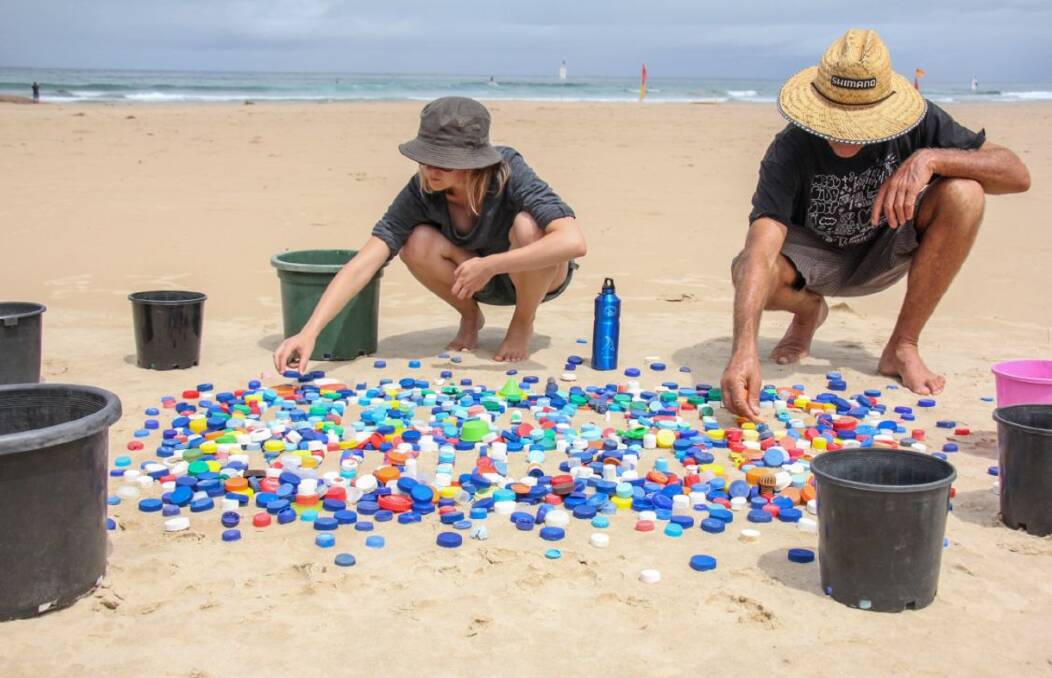
One day - maybe millions of years in the future when humans are long gone - bacteria will probably evolve to eat all the plastic pollution that humans have spread across this beautiful planet.
Or, perhaps humans will develop plastic-eating bacteria and enzymes.
A few years back, scientists in Japan discovered bacteria had already evolved to decompose plastic. The bacteria, Ideonella sakaiensis, could only eat PET plastic, which is used to make bottles.
This bacteria doesn't work at the pace needed to eat all the plastic that humans dump in the environment.
However, it offered a ray of hope that humans may one day build industrial plants to eliminate plastic headed for city tips, and somehow clean up plastic in the ocean, air, water and rivers.
This came to mind when we read a new report from University of New South Wales that found plastic accounted for 84 per cent of all rubbish found on Australian beaches.
More than 2000 organisations and 150,000 citizen scientists participated in the Australian Marine Debris Initiative.
They sorted and tallied marine debris collected since the initiative was established by the Tangaroa Blue Foundation in 2004.
The UNSW scientists analysed a decade of debris to create a national map.
The study found that almost half of marine debris was related to land-based sources like litter, with seven per cent of debris linked to sea dumping.
But 42 per cent of the debris could not be directly connected to a source due to the debris breaking down into smaller fragments. The researchers said this highlighted the legacy of plastic breaking down into smaller pieces and becoming microplastic.
Study co-author Professor Emma Johnston said the citizen scientists had provided "one of the few continental scale insights into the global marine problem".
Tangaroa Blue Foundation chief Heidi Tait said no single intervention would solve the problem of plastic in the ocean.
"We need to collaborate and this network is a perfect example of partners who have achieved something quite monumental."
Jordan Gacutan, who led the study, said pinpointing rubbish on beaches helped boost knowledge of problem items and where they came from.
"Some bioregions have a high amount of fishing debris, such as fishing floats and nets, while others have a bigger problem with littering," he said.
The study found about 40 per cent of all marine debris across Australia was from littering, particularly near capital cities where a lot of plastic ends up on the beach from stormwater drains.
We're a grubby bunch, us humans.
Vegemite Knife
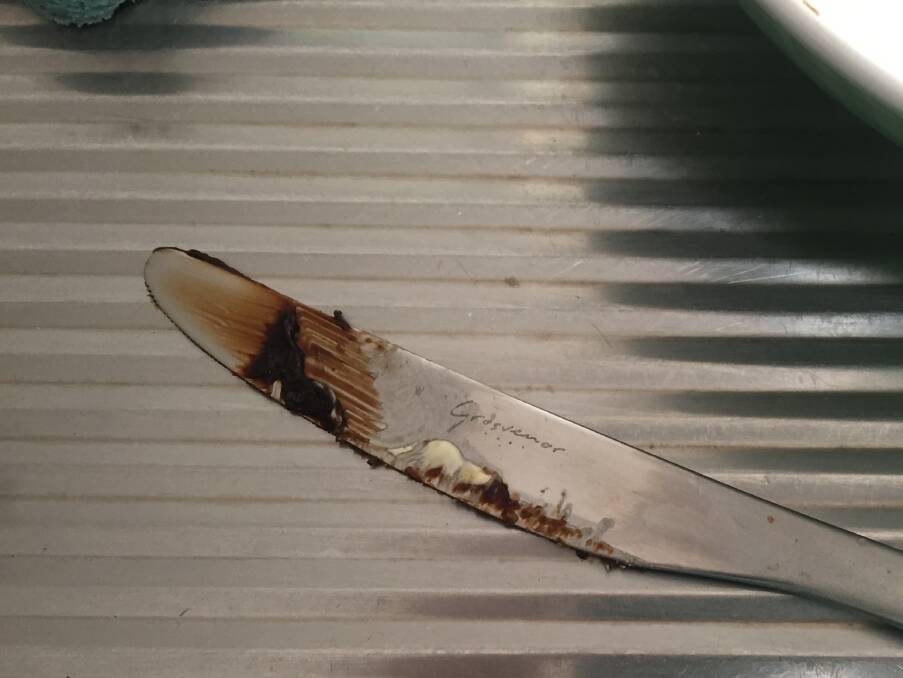
Speaking of cleaning up other people's messes, reader Joanne sent us this artistic photo of Vegemite on a knife left on the sink. She calls her artwork: "When your 22-year-old still lives at home".