
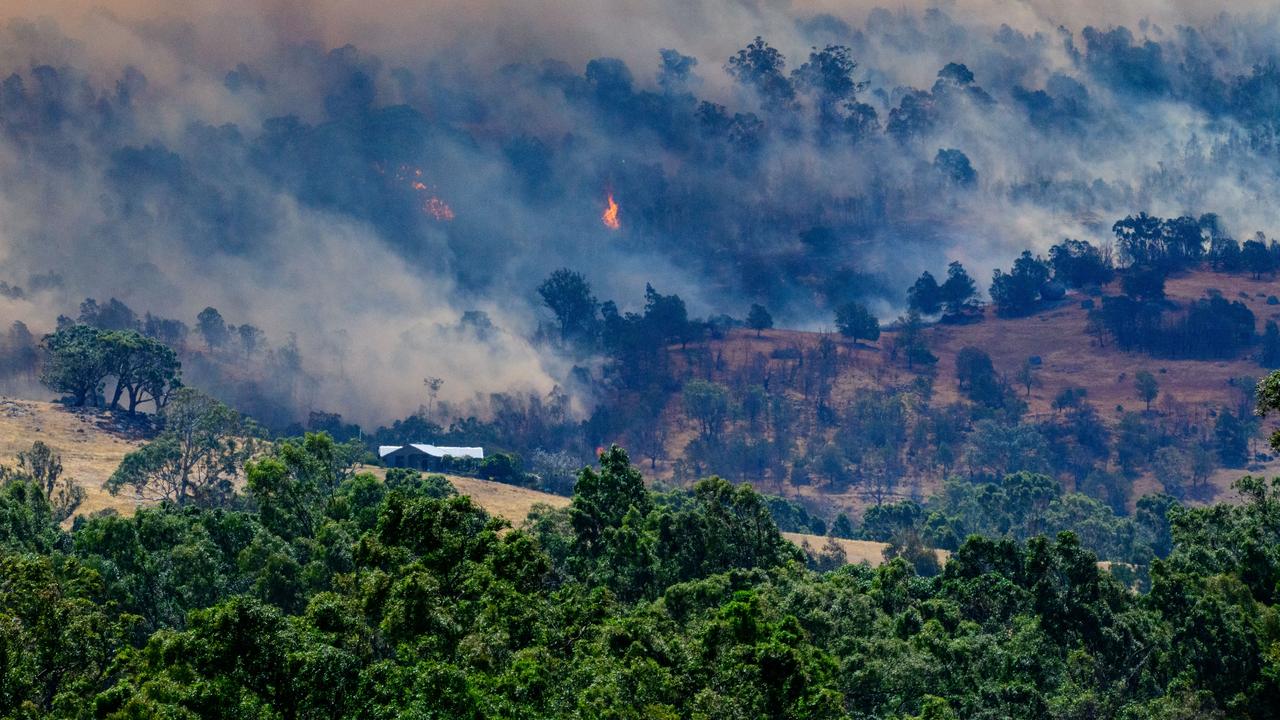
Australians have been warned not to grow complacent ahead of the spring season, with increased bushfire risks across most states and territories.
Bushfires could start early and have devastating consequences, with below-average rainfall creating dry, tinderbox conditions.
Fire authorities from across the country warned now is the time to act, following the release of the Australian and New Zealand Council for Fire and Emergency Services' latest seasonal outlook.
"Don't wait for a bushfire to start," the council's president Darren Klim told reporters in Melbourne on Wednesday.
"Take the time now to make a plan, understand your risks, and discuss it with your loved ones."
The outlook identifies above average risks for towns including those already ravaged by the 2019-20 Black Summer bushfires in Victoria's far east, along with large sections of the Northern Territory.
Southeast Queensland, northeastern Tasmania, parts of Western Australia, and northern South Australia are also vulnerable, according to the outlook.
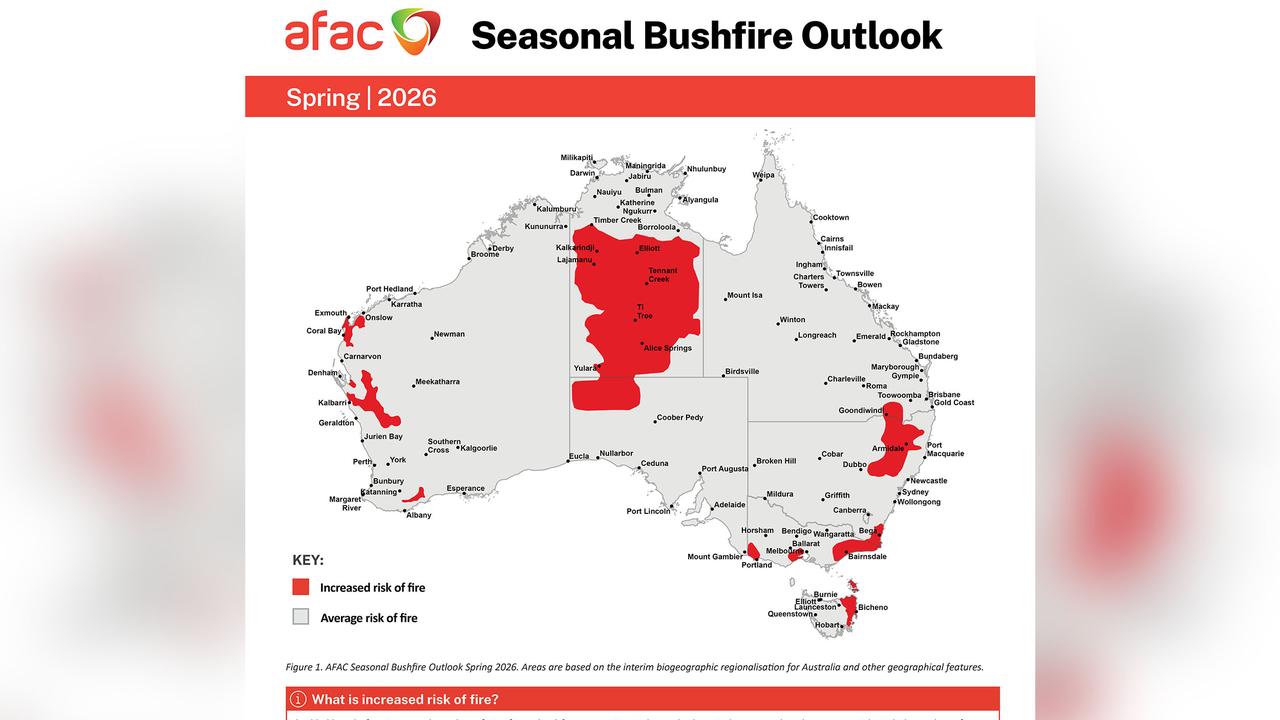
The heightened risk of fire is driven by a combination of dry conditions in the east and increased fuel loads through parts of central and northern Australia, Australasian Fire Authorities Council chief executive Rob Webb said.
"The variety of risk factors across different regions reinforces the need for communities to understand their local conditions and prepare early," he said.
Below average rainfall across northeast and eastern Tasmania, as well as parts of Victoria has led to increased risk.
That includes in Mallacoota, located in Victoria's East Gippsland region, which was devastated when the 2019-20 fires burned through more than 1.5 million hectares and claimed the lives of five people.

The Bureau of Meteorology declared in June that forecasts signalled a "strong to very strong" El Nino pattern that could bring drier conditions to central and eastern Australia in spring.
Temperatures were very likely to be above average for most of the country for September to November.
"An El Nino event is underway, but (it) is strengthening, and it is going to be a very strong one," the bureau's Michael Logan said on Wednesday.
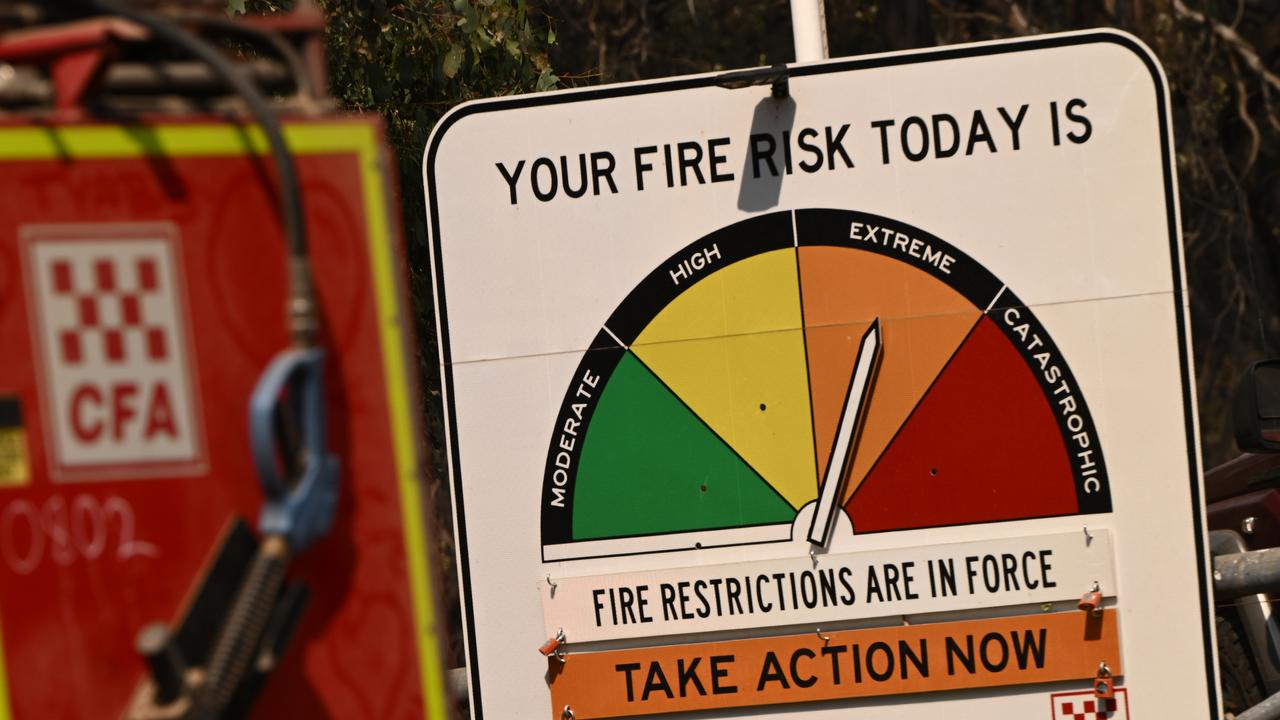
Above average fuel loads and dry soil conditions are also contributing to elevated fire risk across parts of WA.
Communities must prepare early and understand the risk factors facing their regions, Mr Webb said.
"While some areas are facing an elevated risk of fire this spring, bushfires can still occur in regions with a normal seasonal outlook," he said.